
Light Requirements
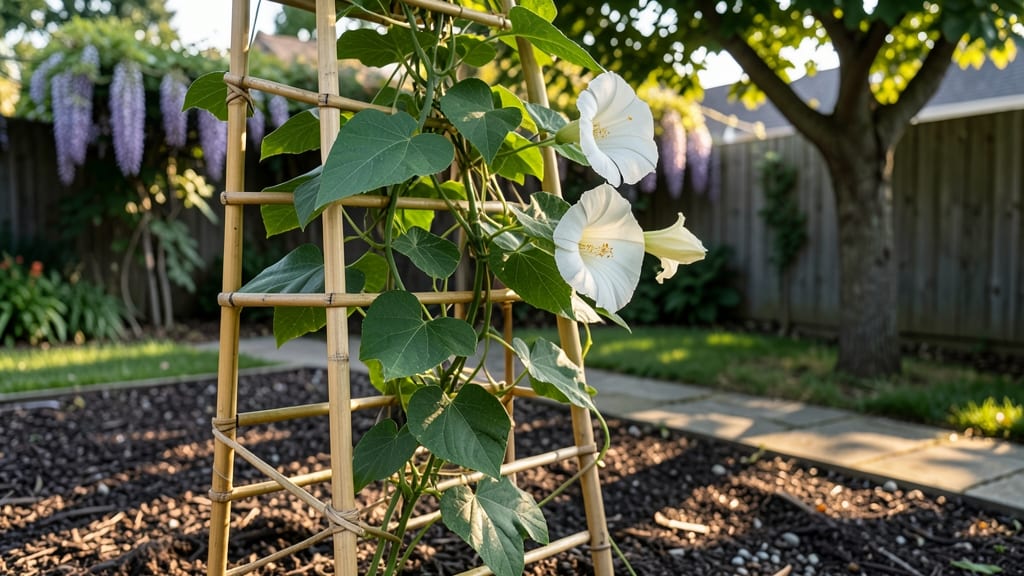
Moonflowers (🌙 Ipomoea alba) might seem like they need full sun to shine—but here's the twist: while they love light, too much scorching heat can actually backfire on their night-blooming magic.
The real secret lies in finding that sweet spot between sun and shade, especially in hotter climates where afternoon rays can stress these delicate vines.
Most gardeners assume full sun is non-negotiable, but moonflowers often thrive with just 4-6 hours of direct sunlight when paired with afternoon shade. This balance prevents wilting while still fueling those stunning nocturnal displays.
Think of it like giving your plants a midday siesta—just enough light to grow strong, but protection from the harshest heat.
If you're in USDA Zone 6a or warmer, partial shade becomes even more important. The key is watching your plants: leggy growth or sparse blooms? That's often a sign they're getting too much sun. We'll show you how to adjust without sacrificing those dreamy nighttime flowers.
Ready to unlock the perfect light conditions? I'll walk you through exactly how to set up your moonflowers for success—whether you're working with a sunny patio or a partially shaded garden corner. Let's make sure your 🌙 blooms put on the show they're famous for.

Moonflower sunlight requirements: full sun vs. partial shade explained
Moonflowers (Ipomoea alba) are often assumed to need full sun to thrive, but the truth is more nuanced. While they love light, too much intense afternoon sun—especially in hot climates—can actually stress the vines and reduce flowering.
The ideal balance is 4-6 hours of morning sun paired with afternoon shade, which prevents wilting while still fueling those iconic night-blooming displays.
Think of moonflowers like a delicate shade-loving vine that just needs enough morning light to kickstart photosynthesis. In cooler climates (USDA Zones 3-6), they can handle 6-8 hours of full sun, but in warmer zones (7-10), afternoon shade becomes critical.
This adjustment prevents leaf scorch and ensures the plant directs energy toward flower production rather than heat protection.
Here’s the key takeaway: moonflowers are flexible but not extreme. They won’t survive in deep shade, but they also won’t reward you with blooms if baked in relentless afternoon heat. The goal is to mimic their natural habitat—dappled sunlight under taller trees—where they receive filtered light.
| Light Condition | Ideal Sun Hours | Best For | USDA Zones |
|---|---|---|---|
| Full Sun (6+ hours) | 6-8 hours | Cooler climates, vigorous growth | 3-6 |
| Partial Shade (4-6 hours) | 4-6 hours (morning sun) | Hot climates, better blooms | 7-10 |
| Afternoon Shade (2-4 hours) | 2-4 hours direct sun | Extreme heat, urban gardens | 8-10 |
In USDA Zone 6a, where I garden, moonflowers perform best with 5-6 hours of morning sun and afternoon shade from a nearby fence or trellis.
I’ve noticed that vines exposed to full afternoon sun develop yellowing leaves and produce fewer blooms, while those with filtered light stay lush and flower prolifically.
If you’re in a warmer zone (7-10), prioritize morning sun exposure and use sheer curtains or lattice screens to block the harshest afternoon rays. Even a 30% shade cloth can make a difference in preventing heat stress.
I once grew moonflowers in a Zone 9 patio with only 3 hours of direct sun and still got stunning nighttime blooms—proof that flexibility is key.
Watch for these signs of light stress in your moonflowers: leggy vines (too little light), crispy leaf edges (too much sun), or fewer buds (light imbalance). Adjusting their position mid-season—like moving them to a slightly shadier spot in July—can often revive struggling plants and trigger a second flush of blooms.
For container growers, place pots near a south-facing window but move them indoors or into shade by early afternoon. Moonflowers are fast-growing vines, so they’ll quickly outgrow temporary shade solutions.
A rotating trellis can also help by allowing you to angle the vine away from direct sun during peak heat hours.
Pro tip: Pair moonflowers with taller sun-loving plants like sunflowers or morning glories. The taller companions provide natural shade while the moonflowers climb and bloom at night. This interplanting strategy creates a microclimate that works perfectly for both species.
Remember, moonflowers are night bloomers, so their energy focus shifts after dark. By giving them the right light balance during the day, you’re essentially setting the stage for their evening performance.
With the right conditions, your garden will transform into a magical nocturnal display—all thanks to a little strategic shading.
How to grow moonflowers in partial shade: pro tips for night-blooming success
Growing moonflowers in partial shade is absolutely doable—and often preferable in hot climates. These vines actually thrive with 4-6 hours of morning sun paired with afternoon shade. The key is creating the right balance to prevent leggy growth while encouraging those stunning nighttime blooms.
I’ve found that moonflowers in partial shade often produce larger flowers with more fragrance than those baked all day in full sun.
Start by choosing a location that gets bright indirect light for most of the day. East-facing spots work perfectly—they offer gentle morning sunlight without the harsh afternoon heat.
If your garden only has afternoon shade, position your moonflowers to catch those morning rays, which are gentler and more beneficial for growth. Avoid deep shade areas where vines may stretch too much, leading to weak stems and fewer blooms.
Here’s the critical part: moonflowers need support from day one. Without proper trellising, those vines will flop, especially in partial shade where growth can be slower. I recommend using a 6-foot tall trellis or obelisk and training the vines upward as they grow.
This not only keeps your garden neat but also ensures flowers face outward for better visibility and fragrance dispersion at night.
⚠️ Moonflowers Don’t Always Need Full Sun—But Watch These Signs!
Myth: Moonflowers require full sun to bloom. Reality: They actually prefer partial shade in hot climates (USDA Zones 7-10). Here’s how to tell if your light conditions are right:
- ✅ Healthy Growth: Dark green leaves, compact vines, and plentiful buds mean you’ve got the light balance right.
- ❌ Leggy Vines: If stems are long and weak with few flowers, they’re stretching for more light—add a reflective surface or move to a sunnier spot.
- ❌ Wilting Leaves: Afternoon sun without shade causes heat stress. Provide dappled shade with sheer curtains or lattice.
Pro Tip: In Zone 6a, morning sun + afternoon shade is ideal—just like their natural tropical habitats!
Soil prep is just as important as light when growing moonflowers in partial shade. These vines love well-draining, slightly sandy soil with a pH between 6.0-7.0. Amend your garden bed with compost or aged manure to improve fertility, and avoid heavy clay soils that can cause root rot.
I’ve had the best success with a mix of 50% garden soil, 30% compost, and 20% perlite—this keeps moisture consistent while preventing waterlogging.
Watering moonflowers in partial shade requires a gentle touch. Unlike their full-sun counterparts, shaded moonflowers need consistent moisture but hate soggy roots. Water deeply every 3-5 days, aiming for about 1 inch of water per week.
The best time to water is in the early morning so leaves dry quickly, reducing fungal risks. I’ve noticed that moonflowers in shade actually bloom more reliably when kept evenly moist—drought stress can cause buds to drop before they open.
If your moonflowers start looking leggy or sparse, don’t panic—this is often a sign of insufficient light or overcrowding. To fix it, prune back leggy stems to encourage bushier growth, and space plants 3-4 feet apart for better airflow.
You can also try supplemental grow lights (like LED shop lights) for 4-6 hours daily if natural light is truly lacking. With these adjustments, your moonflowers will rebound beautifully and reward you with abundant nighttime blooms.
Remember, the goal is to mimic moonflowers’ natural habitat—tropical forests with dappled sunlight. By providing morning sun, afternoon shade, and proper support, you’ll create the perfect conditions for these magical vines to thrive.
Soon, your garden will be filled with the sweet scent of moonflowers opening their petals under the moonlight—all without the stress of full-sun exposure.