
Orchid Care
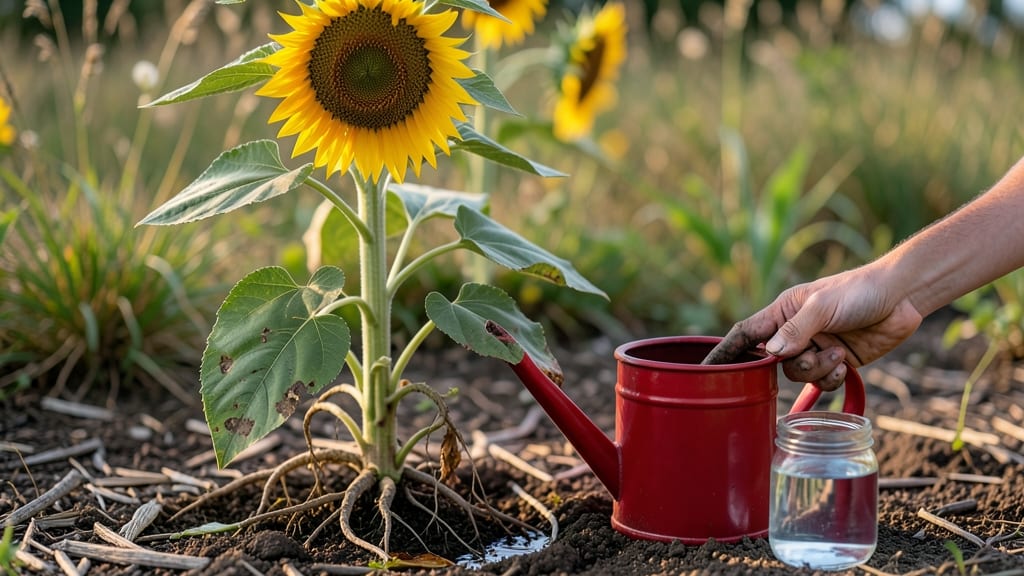
How much water sunflowers actually need (and when)
Sunflowers might look like they drink gallons of water, but their actual needs surprise many gardeners. While they love hydration, they're also surprisingly drought-tolerant once established. The key is understanding their three distinct growth stages—each with unique watering requirements.
Overwatering is just as damaging as underwatering, so let's break down the perfect balance for healthy, strong stalks that reach their full potential.
Most gardeners assume sunflowers need constant watering, but that's a common myth. In reality, they prefer deep, infrequent watering that encourages strong root development. This approach prevents shallow roots and weak stems that can't support their massive blooms.
Think of it like giving your sunflowers a long drink instead of frequent sips—this builds resilience against both drought and wind.
| Growth Stage | Watering Needs | Frequency | Signs of Stress |
|---|---|---|---|
| Seedling (0-3 weeks) | Keep soil consistently moist | Every 2-3 days | Wilting, yellowing leaves |
| Vegetative (3-6 weeks) | 1-2 inches per week | Every 5-7 days | Stunted growth, drooping |
| Flowering (6-10 weeks) | Deep watering 2-3 times per week | Every 4-5 days | Bud drop, weak stems |
| Maturation (10+ weeks) | Reduce to bi-weekly deep soaks | Every 10-14 days | Premature seed drying |
| Drought Conditions | Deep water every 7-10 days | Adjust based on heat | Leaf scorch, cracked soil |
During the seedling stage, your sunflowers need the most attention. This is when their roots are shallow and vulnerable. I like to use a spray bottle for gentle misting while avoiding waterlogging, which can cause seed rot.
A good rule of thumb is to check the soil 1 inch below the surface—if it's dry, it's time to water. Mulching with straw helps retain moisture while keeping roots cool.
As sunflowers enter the vegetative stage (3-6 weeks), they develop deeper roots and become more independent. This is when you can transition to deep watering schedules. I recommend watering in the early morning to allow foliage to dry before evening, reducing fungal risks.
Aim for 1-2 inches of water per week, delivered all at once rather than daily shallow watering.
The flowering stage is when sunflowers need the most hydration to support their massive blooms. This is also when many gardeners make the mistake of overwatering. Weak stems from excess moisture can't support the weight of the flowers.
Instead, focus on deep watering 2-3 times per week, ensuring water reaches the roots 6-8 inches deep. You'll know you're doing it right when the soil stays moist but not soggy.
Once sunflowers reach maturation, their water needs decrease significantly. At this stage, I reduce watering to bi-weekly deep soaks to allow seeds to dry properly. Overwatering now can lead to premature seed rot or mold.
If you're growing sunflowers for seeds, let the heads dry completely on the stalk before harvesting. This natural drying process is crucial for high-quality, viable seeds.
Regional climate plays a huge role in sunflower watering. In hot, dry climates, sunflowers need more frequent watering—sometimes every 4-5 days—while in cooler, wetter regions, you might only need to water every 10-14 days.
Pay attention to your local weather patterns and adjust accordingly. For example, in Arizona's heat, I water my sunflowers in the late evening to reduce evaporation, while in Pacific Northwest, morning watering works best.
One of the biggest mistakes I see is watering sunflowers at night. While it might seem logical to keep them cool, nighttime watering creates a perfect environment for fungal diseases like powdery mildew. Always water in the morning or early afternoon to give foliage time to dry.
Another common error is ignoring soil type. Sandy soil drains quickly and needs more frequent watering, while clay soil holds moisture longer and may require less.
To check if your sunflow
Smart watering techniques to prevent common sunflower problems
Sunflowers might look like they need constant hydration to support their towering growth, but overwatering is one of the fastest ways to stunt their development. The key lies in deep, infrequent watering that encourages strong root systems rather than shallow, frequent soaks.
I’ve learned that 1-2 inches of water per week is ideal for most sunflower varieties, with adjustments based on your climate and soil type.
When I first grew sunflowers, I made the mistake of watering them daily, thinking their large leaves needed constant moisture. Instead, my plants developed weak stems and yellowing leaves—classic signs of overwatering.
The solution? Deep watering schedules that mimic natural rainfall patterns and allow the soil to dry slightly between sessions.
⚠️ Do Sunflowers Require a Lot of Water?
No—but they need the right amount at the right time. Sunflowers are surprisingly drought-tolerant once established, but their seedling stage (first 2-3 weeks) is critical. Overwatering here leads to root rot or fungal diseases, while underwatering causes stunted growth. The secret? Consistent moisture without soggy soil.
Signs of overwatering: Yellow leaves, mushy stems, wilting despite wet soil. Signs of underwatering: Drooping leaves, crispy edges, slow growth. Adjust your watering frequency based on these cues, not a rigid schedule.
For efficient watering, I recommend using drip irrigation or soaker hoses. These deliver water directly to the root zone while minimizing leaf wetness, which reduces the risk of powdery mildew—a common sunflower problem.
If you’re watering by hand, aim for the base of the plant in the early morning to allow foliage to dry quickly.
Another game-changer is mulching. Applying a 2-3 inch layer of organic mulch (like straw or wood chips) around your sunflowers helps retain soil moisture while suppressing weeds. I’ve seen mulched sunflowers stay healthier through dry spells, with fewer instances of wilted stems or yellowing leaves.
Just be sure to keep mulch 1-2 inches away from the stem to prevent rot.
If you notice your sunflowers developing weak stalks or drooping leaves, it’s often a sign of uneven watering. Try this deep watering technique: Water until moisture reaches 12-18 inches deep in the soil.
For container-grown sunflowers, ensure the pot has drainage holes and water when the top inch of soil feels dry. This encourages roots to grow deeper, supporting those 6-16 foot stalks.
Remember, sunflowers are resilient once they’re established. The goal isn’t to keep their soil constantly damp—it’s to provide consistent, deep hydration that builds strong roots.
With the right approach, you’ll avoid common problems like blossom end rot or stem collapse, and enjoy sunflowers that thrive from seedling to full bloom. 🌻