
Light Requirements
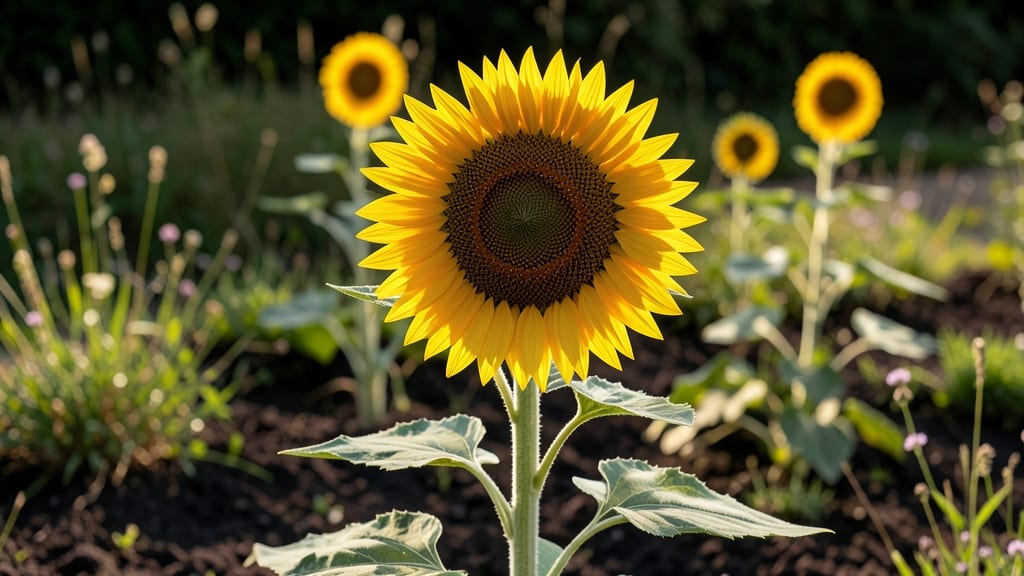
If you're wondering whether sunflowers need direct sunlight, the answer is a resounding yes—but not all varieties handle shade the same way.
These towering beauties 🌻 crave at least 6-8 hours of full sun daily to reach their full potential, but even a little less can dramatically change their growth patterns. What happens when they don’t get enough light?
You might end up with leggy stems, smaller blooms, or even no flowers at all.
For most gardeners in Zone 6a, planting sunflowers in spring means giving them prime real estate near your sunniest spot. But if your yard is shadier than you’d like, don’t toss those seeds just yet—some dwarf or early-blooming varieties can tolerate partial shade better than their towering cousins.
The key is understanding how much light your specific type needs and adjusting your expectations accordingly.
Let’s break down exactly how sunlight affects sunflower growth, from the ideal conditions for maximum height and bloom size to the subtle (but important) trade-offs when light is limited.
You’ll also discover practical tips for positioning your plants—whether in the ground or containers—to get the most out of whatever sunlight you can offer.
Ready to grow sunflowers that thrive, even if your space isn’t perfectly sunny? I’ll show you how to spot the signs of sunlight deficiency and what you can do to keep your sunflowers happy—no matter where you plant them.

Sunflower sunlight requirements: how much direct sunlight is essential?
Sunflowers are sun-worshippers by nature, and their love for direct sunlight is the secret to those iconic towering blooms. While they can survive with less, their growth, flower size, and even seed production take a noticeable hit when sunlight is limited.
Research shows that sunflowers perform best with 6-8 hours of full sun daily, but even 4 hours can lead to significant trade-offs in their development.
The reason? Sunflowers rely on photosynthesis efficiency to fuel rapid vertical growth and energy-rich seed production. When deprived of adequate light, they prioritize leafy growth over flowering—a survival mechanism that leaves gardeners with fewer (and often smaller) blooms.
This is especially true for standard varieties like 'Mammoth' or 'Russian Giant,' which can grow up to 12-14 feet tall when given ideal conditions.
Here’s the hard truth: sunflowers in partial shade (3-6 hours of sun) may produce 30-50% fewer flowers and stems that are 20-30% shorter than their sun-drenched counterparts.
The trade-off isn’t just cosmetic—it affects their ability to store energy in seeds, which are the plant’s food reserve for the next generation.
But before you write off your shady garden spot, know that not all sunflowers are created equal. Dwarf varieties like 'Teddy Bear' or 'Moulin Rouge' are far more adaptable, often thriving in 4-6 hours of sun with minimal compromise.
The key is understanding your specific variety’s tolerance and adjusting your expectations accordingly.
🌻
If you’re planting sunflowers in containers or urban gardens, maximizing sunlight becomes even more critical. A south-facing window or balcony can provide the 6+ hours of light needed, but you’ll need to rotate pots weekly to ensure even growth.
Without adequate light, container-grown sunflowers often develop weak stems that flop over, ruining their classic upright form.
For gardeners in Zone 6a, timing matters too. Planting in late April or early May ensures your sunflowers get the longest possible daylight hours during their critical growth phase.
Early planting in March might work in warmer microclimates, but cooler temperatures combined with shorter days can stunt growth before the plant establishes itself.
One often-overlooked trick to boost sunlight exposure is using reflective surfaces. Placing a white garden wall, mirror, or even a light-colored mulch near your sunflowers can increase light reflection by up to 20%**, effectively extending their "sun time."
This is especially helpful in partial shade situations where direct sunlight is limited.
💡 Even with optimal sunlight, sunflowers need well-draining soil and consistent moisture during their first few weeks. Once established, they’re surprisingly drought-tolerant, but their photosynthesis efficiency drops dramatically when both water and light are insufficient.
Think of sunlight as the fuel and water as the oil—neither should be neglected if you want those iconic sunflower blooms.
🌱
Signs your sunflowers aren’t getting enough sunlight (and how to Fix it)
Sunflowers 🌻 are dramatic plants—they either soar toward the sky or wilt in disappointment when sunlight is lacking. The most obvious sign your sunflowers aren’t getting enough light is stunted growth.
Instead of reaching their expected 6-14 feet, they may stay under 3 feet tall, with thin, weak stems that bend toward any available light source. This "etiolation" occurs when plants stretch excessively to reach sunlight, creating leggy, unstable stems that can snap easily in wind or rain.
Another red flag is pale, yellowish leaves that lack the deep green color of healthy foliage. Sunflowers need sunlight for photosynthesis, and without it, they can’t produce enough chlorophyll.
You might also notice smaller-than-average blooms—sometimes just a few inches wide instead of the expected 4-12 inches—or even no flowers at all. In extreme cases, your sunflowers may produce only foliage, putting all their energy into leaf growth instead of flowering.
🚨 callout-warning ⚠️
- Weak stems that snap easily
- Pale leaves from chlorophyll deficiency
- No blooms or tiny flowers
- Leggy growth from stretching toward light
If your sunflowers are already planted in a shady spot, don’t panic—there are quick fixes to improve their light exposure. First, try relocating them to a sunnier area in your garden.
Even moving them just a few feet closer to a south-facing wall or reflective surface (like a white fence or mirror) can make a difference. Sunlight bounces off these surfaces, effectively doubling the light your plants receive.
For container-grown sunflowers, place them on a sunny patio or balcony during peak sunlight hours.
Another solution is to prune nearby shade sources, such as overgrown trees or tall plants, to allow more light to reach your sunflowers.
If you’re dealing with partial shade (3-6 hours of sunlight), consider switching to dwarf varieties like 'Teddy Bear' or 'Moulin Rouge,' which tolerate lower light better than their giant cousins. These varieties may produce smaller blooms but will still thrive where standard sunflowers would fail.
For sunflowers already struggling, focus on supporting their health with proper care. Ensure they’re getting deep watering (1-2 inches per week) and a balanced fertilizer (5-10-10 NPK) to compensate for the lack of sunlight.
Avoid over-fertilizing with nitrogen, which promotes leafy growth at the expense of flowers. Instead, opt for a phosphorus-rich fertilizer to encourage blooming, even in less-than-ideal light conditions.
Finally, keep an eye on the direction of sunlight in your garden. Sunflowers follow the sun’s movement, a process called heliotropism. If they’re only getting morning sun but are shaded in the afternoon, their growth will suffer.
Rotate your pots or reposition them throughout the day to maximize exposure. With a little creativity, you can help your sunflowers reach their full potential—even if your garden isn’t a sunbathing paradise.