
Light Requirements
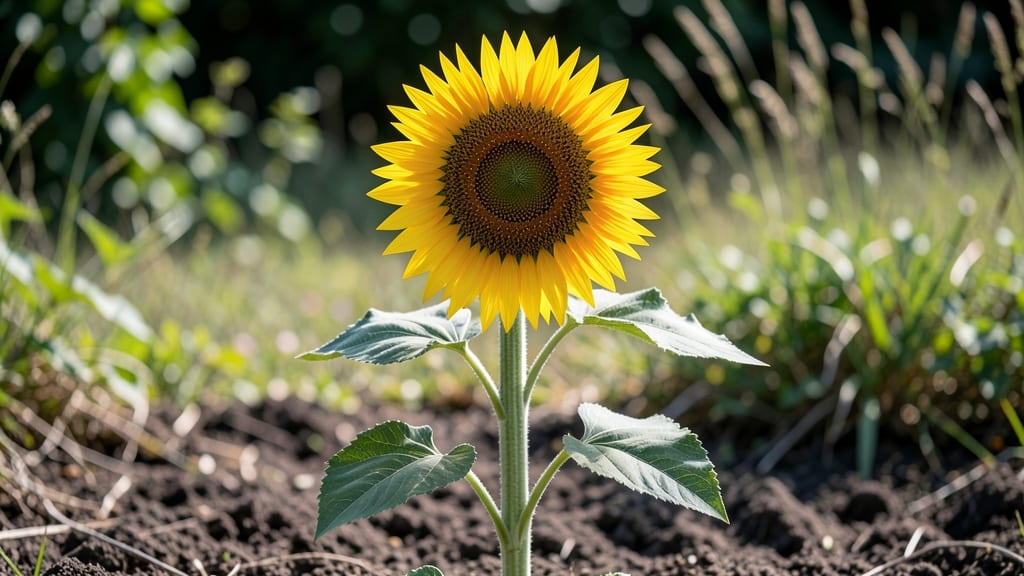
If you’ve ever planted a sunflower 🌻 and wondered, does sunflower need sunlight?, the answer is a resounding yes—and not just any sunlight, but plenty of it.
This is a classic sign your plant isn’t getting enough light, and without it, sunflowers stretch awkwardly toward the sky, unable to reach their full, towering potential.
Most gardeners assume sunflowers thrive in full sun, but the real question is how much they need—and what happens when they don’t get it.
These plants demand 6 to 12 hours of direct sunlight daily, and even a few hours short can lead to weak stems, sparse blooms, or plants that flop over like overcooked noodles.
In this guide, I’ll break down exactly how sunlight fuels sunflower growth, from the science behind their light needs to practical tips for positioning them in your garden or containers.
Whether you’re dealing with partial shade or just curious about maximizing their height, you’ll learn how to give your sunflowers the light they crave—and the rewards they deserve.
Ready to turn those leggy stems into sturdy, sun-soaked giants? Let’s dive into the game-changer that’s keeping your sunflowers from reaching their glory.

How many hours of sunlight do sunflowers need daily?
Sunflowers thrive under the sun like no other plant—imagine them as nature’s solar panels, converting sunlight into energy to fuel their rapid growth. But how much sun do they really need?
The answer isn’t just "a lot"—it’s 6 to 12 hours of direct sunlight daily, with variations depending on your climate and sunflower variety. Without enough light, these towering beauties will stretch awkwardly, produce weak stems, and yield tiny, underwhelming blooms.
Let’s break down the science and practical tips to give your sunflowers the golden glow they crave.
Sunflowers are heliotropic, meaning they follow the sun’s movement from east to west during their flowering stage. This behavior isn’t just charming—it’s a sign they’re biologically wired for full sun exposure.
In regions with shorter daylight hours, like the Pacific Northwest, aim for the upper end of the sunlight spectrum (8-12 hours). Conversely, in sunny climates like Arizona or California, 6-8 hours of direct sun can be sufficient, especially for dwarf varieties.
The key is observing your plants’ behavior and adjusting their placement accordingly.
| Sunflower Type | Ideal Sunlight (Hours/Day) | Growth Impact of Low Light | Best Climate Zones |
|---|---|---|---|
| Standard (e.g., 'Mammoth') | 8–12 hours | Tall, weak stems; small blooms | Zones 3–10 (full sun) |
| Semi-Dwarf (e.g., 'ProCut') | 6–8 hours | Slower growth; fewer seeds | Zones 4–9 (partial sun) |
| Dwarf (e.g., 'Teddy Bear') | 4–6 hours | Compact but leggy; delayed blooms | Zones 5–8 (containers) |
| All Varieties (Seed Production) | 10+ hours | Poor seed development; bitter taste | Zones 2–11 (greenhouse) |
Seasonal sunlight shifts can throw off even the most experienced gardeners. For example, sunflowers planted in early spring (March-April) may only receive 4-6 hours of direct sun due to shorter days.
In this case, choose dwarf or semi-dwarf varieties and supplement with a reflective surface (like white gravel or a mirror) to bounce extra light onto your plants. Conversely, summer planting (June-July) offers longer daylight hours, but afternoon shade can prevent leaf burn—especially in Zone 9+ climates where temperatures exceed 90°F.
If your garden only offers partial shade (3-6 hours of sun), don’t despair—you can still grow sunflowers with a few strategic tweaks. Start by selecting shade-tolerant varieties like 'Autumn Beauty' or 'Moulin Rouge', which handle 4-5 hours of sunlight better than standard types.
Additionally, place your sunflowers in the sunniest spot available, even if it’s near a fence or tree that casts afternoon shade. Rotate your containers every few days to ensure all sides receive equal light exposure, preventing lopsided growth.
Watch for these tell-tale signs of insufficient sunlight: leaves stretching toward the light (a condition called etiolation), weak stems that flop over, and blooms that fail to open fully.
Even if your sunflowers survive in partial shade, their seed production will suffer, and the stems may not reach their full height. For example, a 'Mammoth' sunflower typically grows 10-12 feet tall in full sun but may only reach 4-6 feet in shade.
To revive underperforming plants, prune the top few inches to encourage bushier growth and relocate them to a sunnier spot immediately.
Container gardening adds another layer of complexity when it comes to sunlight. Sunflowers in pots need at least 6 hours of direct sun daily, but their roots are confined, so they’re more sensitive to light deprivation.
Use lightweight, fast-draining soil mixes and place containers on elevated stands or wheels to rotate them toward the sun throughout the day.
If your balcony or patio only gets morning sun, consider growing dwarf varieties like 'Pocket Sunflower,' which thrive in 4-5 hours of sunlight and stay under 2 feet tall—perfect for small spaces.
Ever wondered why some sunflowers in your neighborhood look stunted or pale? It’s often a sign of indirect light or filtered sunlight, which lacks the intensity needed for photosynthesis.
To maximize growth, position sunflowers where they receive unobstructed sunlight from 10 AM to 4 PM, the plant’s peak energy-absorbing window. If you’re growing sunflowers near a building or tall plants, trim nearby foliage to create a clear path for sunlight.
Even a 2-foot difference in height can mean the difference between a thriving sunflower and one struggling to survive.
For gardeners in urban areas with limited sunlight, consider using grow lights
What happens when sunflowers don’t get enough sunlight?
When your sunflowers aren’t basking in enough sunlight, they start sending you distress signals—fast. The first warning sign is etiolation, where stems stretch painfully thin and pale, reaching desperately toward any light source.
This isn’t just a growth quirk; it’s your plant’s survival instinct kicking in, and the result is weak, floppy stems that can’t support heavy blooms.
Without sufficient light, sunflowers also struggle to produce energy through photosynthesis. This leads to smaller, fewer blooms—or no blooms at all—and leaves that stay pale and underdeveloped. Even if they do flower, the petals may be stunted or discolored, lacking the vibrant yellow we all love.
Think of it like a plant version of a vitamin D deficiency—without sunlight, they simply can’t thrive.
⚠️ Sunlight Needs: Pros & Cons
✅ Pros of Full Sunlight
- Taller stems (up to 16 ft)
- Larger blooms (3-6 inches wide)
- Stronger roots and stability
- Faster growth (60-90 days to maturity)
- Rich seed production for harvest
❌ Cons of Too Little Sunlight
- Leggy, weak stems (prone to snapping)
- Smaller, sparse blooms (or none at all)
- Pale, yellowing leaves (chlorosis)
- Slower growth (90+ days to maturity)
- Reduced seed yield for harvest
But sunlight isn’t just about quantity—it’s also about quality. Sunflowers need direct sunlight, not just bright, diffused light. If they’re tucked away under trees or in deep shade, their growth stages will stall.
For example, a sunflower in partial shade (3-6 hours of sun) might only reach half its potential height and produce blooms that are 20-30% smaller than those in full sun.
Over-exposure, however, can also backfire. While sunflowers love sunlight, intense afternoon heat without proper hydration can cause leaf burn or stress, especially in hot climates. Look for crispy edges or wilted leaves as red flags.
The key is balance: 6-8 hours of morning to midday sun is ideal, with afternoon shade in extreme heat.
If you notice your sunflowers struggling, don’t panic—there are fixes! Start by relocating them to a sunnier spot or pruning lower leaves to encourage upward growth. For container-grown sunflowers, rotate pots daily to ensure even light exposure.
And if shade is unavoidable, opt for shade-tolerant varieties like ‘Teddy Bear’ or ‘Moulin Rouge,’ which handle partial shade better than standard types.
Remember, sunflowers are like the divas of the garden—they demand attention, and sunlight is their stage. Give them what they need, and they’ll reward you with stunning blooms that turn heads all summer long. 🌻