
Orchid Care
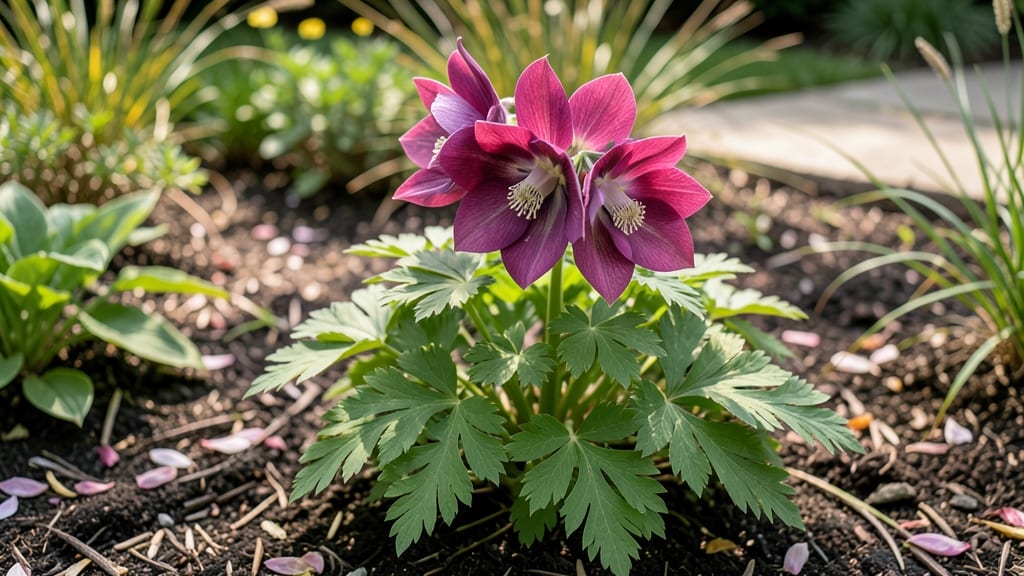
If you’ve ever admired the delicate charm of columbine 🌸 but wished for blooms that pack twice the punch, double flowered columbine could be your new garden obsession. These varieties aren’t just prettier—they’re also hardier and more abundant, but only when you give them the right conditions.
Unlike their single-flowered cousins, these showstoppers thrive with a few key adjustments, from soil prep to pruning tricks.
I’ve grown double flowered columbine for years, and the difference is night and day—bigger blooms, longer seasons, and fewer floppy stems. The secret? Planting them in partial shade (not too much sun), feeding them lightly in spring, and deadheading spent flowers to coax more blooms.
Skip these steps, and you’ll end up with underwhelming results.
Whether you’re a beginner or a seasoned gardener, this guide will walk you through exactly how to grow double flowered columbine like a pro.
We’ll cover everything from picking the best varieties to troubleshooting common issues, so you can enjoy a border bursting with showy, long-lasting blooms from June to July.
Ready to transform your garden? Let’s get started—your columbine will thank you with bold, double-layered flowers that steal the show.
How to identify and select the best double flowered columbine varieties
Double flowered columbine varieties are the showstoppers of the garden, offering richer blooms, denser petals, and longer vase life compared to their single-flowered relatives. These plants produce two layers of petals instead of one, creating a lush, almost ruffled appearance that hummingbirds adore.
But not all doubles are created equal—I’ve found that ‘Queen of Hearts’ and ‘Purple Splendor’ consistently deliver the most dramatic results in my USDA Zone 6a garden.
When shopping for double flowered columbine, focus on three key traits: bloom density, color vibrancy, and hardiness. Singles often have single layers of petals and may flop under heavy blooms, while doubles stand tall with their extra petal layers.
I’ve learned that darker hues like deep purple and burgundy tend to attract more pollinators while maintaining structural integrity in partial shade.
Before buying seeds or transplants, check the hardiness zone range—most double flowered columbines thrive in Zones 3-8, but some hybrids extend to Zone 9. I always verify this because overwintering success depends on it.
For example, ‘McKana’s Giant’ handles colder climates better than ‘Wedding Bells,’ which prefers milder winters. This small detail can mean the difference between a thriving plant and a lost investment.
| Variety | Bloom Type | Color Palette | Height | Hardiness Zones | Best For |
|---|---|---|---|---|---|
| Queen of Hearts | Double ruffled | Pink/white | 24-30" | 3-8 | Cut flowers, borders |
| Purple Splendor | Double semi-double | Deep purple | 18-24" | 4-9 | Shade gardens |
| McKana’s Giant | Double ruffled | Multi-color | 30-36" | 3-8 | Cutting gardens |
| Wedding Bells | Double | White | 20-24" | 5-9 | Weddings, borders |
| Black Barlow | Double |
Step-by-step growing tips for larger, longer-lasting double flowered columbine bloomsDouble flowered columbine 🌸 lives up to its name—when grown with care, its blooms are nearly twice as large and last weeks longer than single varieties. The key lies in mimicking their natural woodland habitat. These plants thrive in partial shade with moist, well-draining soil, but they need a few extra touches to reach their full potential. I’ve found that the three most critical factors for maximizing blooms are sunlight balance, proper pruning, and consistent deadheading. Skip these steps, and you’ll end up with leggy stems and sparse flowers. Let’s break down the exact techniques that’ve helped my double flowered columbine produce 3-inch-wide blooms that last from June through July. Your 5-Step Guide to Showstopping Columbine
One mistake I see often is over-fertilizing with high-nitrogen blends, which produces leafy growth at the expense of flowers. Instead, use a balanced 5-10-10 fertilizer in early spring and mid-summer—just 1 tablespoon per plant. This encourages bigger, showier blooms rather than lush foliage. For longer-lasting blooms, pair your columbine with tall grasses like Miscanthus to provide wind protection and low-growing perennials like ajuga to retain soil moisture. This creates a microclimate that keeps flowers vibrant for weeks. The payoff? Double the blooms, half the maintenance—once you master these steps, your columbine will become the star of your shade garden. Pro tip: If your columbine stems start to flop, it’s a sign of too much sun or poor soil structure. Move it to a shadier spot and add perlite to the soil for better drainage. With these adjustments, you’ll enjoy bold, long-lasting blooms that turn heads every season. 🌷 |