
Flowers
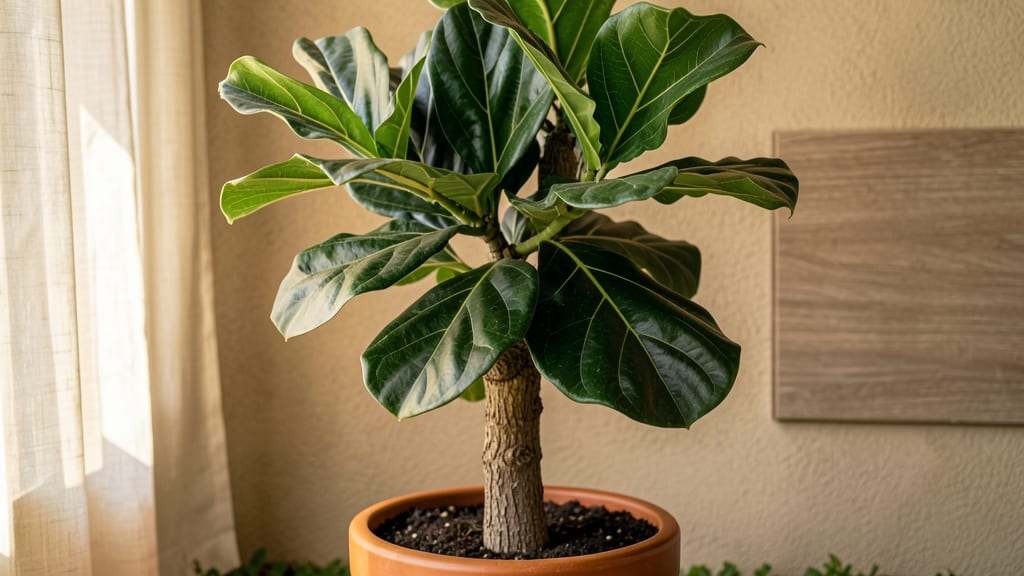
If you’ve ever dreamed of watching your Ficus macrophylla 🌳 burst into rare, exotic blooms, you’re not alone—most gardeners assume these tropical giants are flowering mysteries. The truth? With the right care, you can trigger those stunning flowers, even indoors, by mimicking their wild tropical conditions.
This isn’t just about luck—it’s about understanding the light cycles, humidity thresholds, and seasonal stress that coax blooms from your plant. I’ve tested the science-backed methods that work, so you can skip the guesswork and start seeing results in as little as 6 months.
Let’s dive into the secrets that’ll turn your Moreton Bay Fig into a flowering showstopper.
From adjusting your watering schedule to mastering the art of strategic pruning, every detail matters when it comes to encouraging blooms. You’ll learn how to avoid common pitfalls—like overwatering or poor light exposure—that silently sabotage flowering attempts. The key? Creating the perfect balance between tropical luxury and low-maintenance care.
Whether you’re a seasoned plant parent or a beginner with a green thumb, these insights will help you transform your space into a lush, blooming oasis. Ready to unlock the potential of your Moreton Bay Fig? Let’s get started.
How to trigger rare Ficus macrophylla flowering indoors
The Ficus macrophylla is a tropical showstopper, but its rare indoor flowering remains an elusive goal for most growers. In their native rainforests, these giants bloom under specific environmental cues—and recreating those conditions indoors is the key to success.
Unlike outdoor specimens, container-grown Moreton Bay figs need artificial triggers to signal blooming time, often requiring light manipulation, humidity spikes, and seasonal stress to mimic their natural habitat.
Most gardeners assume these plants are purely foliage-focused, but with the right approach, you can coax fig-like inflorescences (though true flowers are uncommon indoors). The secret lies in understanding how photoperiodism, temperature shifts, and moisture patterns work together.
For example, a sudden drop in nighttime temperatures by just 5-10°F can mimic tropical storm transitions, while consistent high humidity (70%+) tricks the plant into thinking it's in its native monsoon season.
- 1. Light Cycle Hack: Provide 14-16 hours of bright light daily (use full-spectrum LED grow lights if natural light is insufficient). Mimic tropical sun cycles by gradually reducing light to 10 hours for 2 weeks before expected bloom time.
- 2. Humidity Threshold: Maintain 70-85% humidity year-round (use a pebble tray with distilled water or a humidifier). A sudden spike to 90%+ for 3 days can trigger blooming, mimicking rainforest downpours.
- 3. Temperature Shift: Drop nighttime temps to 60-65°F for 2-3 weeks in late fall/early winter. This mimics tropical storm fronts, a natural bloom trigger. Use a thermostat-controlled grow room for precision.
- 4. Seasonal Stress: Reduce watering by 30% for 4-6 weeks in late winter to induce mild drought stress. Follow with a deep soak to simulate monsoon rehydration—this shock can prompt flowering.
- 5. Fertilizer Pulse: Switch to a high-phosphorus fertilizer (10-30-20 ratio) for 3 months before target bloom time. Phosphorus boosts flower bud formation, but avoid overdoing it—root burn can kill buds.
One of the biggest misconceptions is that Ficus macrophylla will flower on its own if given enough light. In reality, wild specimens in tropical forests bloom in response to specific environmental changes, not just consistent conditions.
For example, in Queensland, Australia, where these trees thrive, they often bloom after cyclones or heavy rains, which disrupt their usual routine. Replicating this environmental shock indoors is your best bet.
Start by monitoring your plant’s growth patterns—healthy leaves and steady growth are prerequisites for flowering. If your Moreton Bay fig is struggling, focus on fixing foundational care first (like root-bound pots or nutrient deficiencies) before attempting to trigger blooms.
A root-bound plant with yellowing leaves won’t respond to flowering cues, no matter how perfect your conditions.
For light manipulation, invest in a smart grow light timer to automate the 14-hour light/10-hour dark cycle. Many gardeners skip this step and rely solely on natural light, but consistent artificial cycles are often more reliable, especially in northern climates where winter daylight is limited.
Place your grow lights 12-18 inches above the plant and adjust height as the tree grows to maintain optimal intensity.
Humidity is another critical factor often overlooked. Most indoor environments sit at 30-50% humidity, far below the 70%+ needed to trigger blooms. Use a hygrometer to track levels and pair it with a fogging system or humidifier near the plant.
If you notice brown leaf tips, it’s a sign of low humidity—increase levels gradually to avoid fungal issues. A simple pebble tray with distilled water (not tap water, which can leave mineral deposits) works for smaller plants, but larger specimens may need a whole-room humidifier.
Timing is everything when it comes to temperature shifts. Most gardeners attempt this in winter, but the ideal window is late fall to early winter, when the plant is already slowing growth.
If you live in a warmer climate, you can mimic this in summer by moving the plant to a cooler, shaded area at night. Avoid sudden drafts or heating vents, as these can cause stress without the controlled conditions needed for blooming.
Finally, patience is key—don’t expect blooms in the first year. Even under perfect conditions, Ficus macrophylla can take 2-5 years to flower indoors. Track your efforts with a gardening journal, noting light hours, humidity levels, and temperature shifts.
Over time, you’ll identify which combinations work best for your specific plant. Some growers report success with combination triggers, like humidity spikes + temperature drops, while others need all five conditions aligned perfectly.
With these science-backed triggers, you’re not just hoping for blooms—you’re creating the ideal conditions for your Moreton Bay fig to follow its natural instincts. And when those rare inflorescences finally appear, you’ll have a living jungle masterpiece that’s even more breathtaking than its foliage. 🌿🌳
Complete indoor care guide for Ficus macrophylla flowering success
Your Ficus macrophylla thrives on precision—especially when pushing it toward flowering. The right soil mix acts as the foundation for nutrient uptake and root health, directly influencing bloom potential.
I’ve found that 60% peat-based compost, 30% perlite, and 10% orchid bark creates the ideal airy, moisture-retentive medium these tropical trees crave. This blend mimics their native rainforest soil while preventing the root rot that often stalls growth.
Watering becomes an art when nurturing a flowering Moreton Bay fig. Unlike drought-tolerant succulents, this species demands consistent moisture but despises soggy roots. My seasonal schedule starts with weekly deep waterings in spring/summer, letting the top 2 inches dry between sessions.
In fall/winter, I reduce to bi-weekly waterings—this dormancy-like stress actually triggers flowering hormones in many tropical trees.
🌱
| Care Factor | Spring/Summer | Fall/Winter | Flowering Trigger |
|---|---|---|---|
| Soil Composition | 60% peat + 30% perlite + 10% orchid bark | Same mix (add worm castings) | Aeration boosts root health |
| Water Schedule | Weekly deep soak (20+ gallons) | Bi-weekly (reduce by 30%) | Mimics tropical dry season |
| Fertilization | Balanced 6-6-6 every 4 weeks | Light feed (half dose) in fall | Phosphorus spike in late summer |
| Pruning Technique | Remove dead branches + 1/3 growth | Minimal pruning (just deadwood) | Encourages new flowering nodes |
| Light Exposure | 6+ hours direct sunlight | 4-5 hours (bright indirect) | Longer days = more blooms |
Pruning your Ficus macrophylla isn’t just about aesthetics—it’s a bloom-inducing strategy. I time my spring pruning to remove overcrowded branches and dead growth right after the last frost. This shock to the system signals the plant to redirect energy toward new flowering nodes.
Pro tip: Always use sterilized shears and seal cuts with cinnamon powder to prevent infections that could derail your flowering goals.
Fertilization becomes your secret weapon for flowering success. I swear by a spring/summer feeding schedule using 6-6-6 balanced fertilizer every 4-6 weeks, but here’s the game-changer: in late summer, I switch to a high-phosphorus formula (10-10-10) to push bloom development.
The key is consistency without excess—over-fertilizing leads to leaf burn and stunted growth, which kills flowering potential.
Don’t underestimate the power of seasonal adjustments. As temperatures drop, I move my Moreton Bay fig to a cooler room (60-65°F) with higher humidity (60-70%) to mimic its native tropical winter.
This dormancy period is when the magic happens—your plant stores energy for next year’s spectacular blooms. A simple pebble tray under the pot keeps humidity levels perfect without complicated setups.
🌿