
Flowers
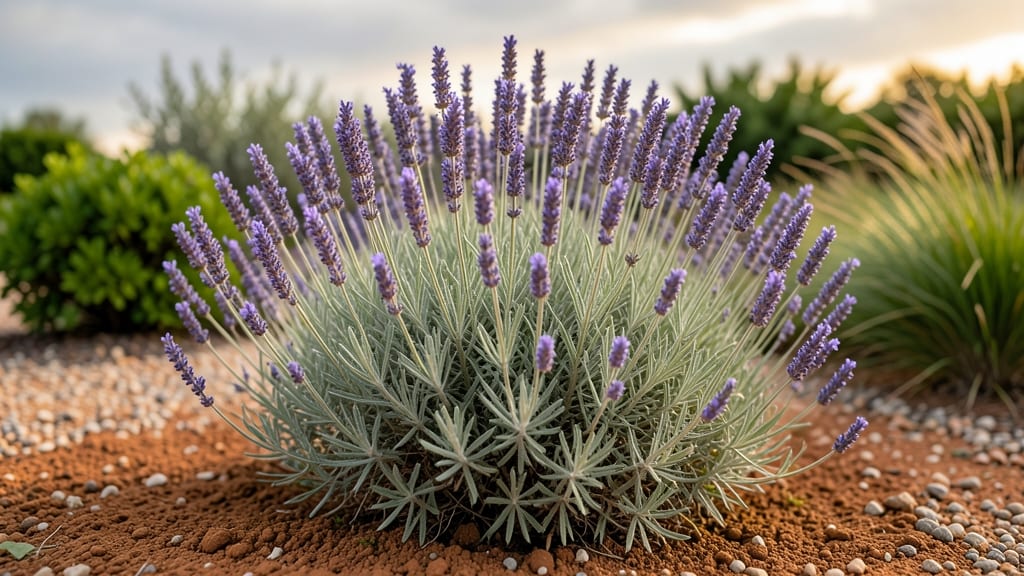
Timing your lavender flower time can turn your garden into a fragrant sanctuary—or leave you staring at bare stems. The key to lavender flower time isn’t just luck; it’s about understanding your zone, soil, and a few simple tricks that extend those purple spikes from June to September.
In USDA Zone 6, planting in March or April sets the stage for summer blooms, but even the best timing can backfire if your soil stays too wet or your lavender 🌸 gets crowded.
I’ve learned the hard way that skipping pruning or overwatering cuts bloom time by nearly half—so let’s fix that.
You’ll discover how to stretch your lavender’s fragrance season by 30%+ with minimal effort, plus the exact pruning schedule that keeps your plants thriving. Whether you’re in a Mediterranean climate or a cooler temperate zone, these tips will ensure your lavender stays lush and blooming longer than ever.
Ready to transform your garden? Let’s dive into the planting calendar, care secrets, and common mistakes that steal your lavender’s glory—and how to avoid them for good.
Best lavender flower time by USDA zone: planting and blooming schedule
Getting your lavender flower time right depends on your USDA zone and whether you're growing English lavender or French lavender. These two varieties have slightly different needs, especially when it comes to cold tolerance and bloom timing.
In warmer zones like 8-10, lavender thrives year-round, while cooler zones (3-7) need careful timing to avoid frost damage.
English lavender (Lavandula angustifolia) typically blooms June through August, while French lavender (Lavandula dentata) often flowers a bit later, from July to September.
The key to maximizing your lavender bloom period is planting at the right time—usually 4-6 weeks before your last frost for cooler zones.
Your local climate plays a huge role. In USDA zones 3-5, lavender may need winter protection, while zones 6-9 offer ideal growing conditions. Let’s break down the best planting windows and bloom schedules for each zone to help you plan your fragrant garden.
| USDA Zone | Best Planting Time | Bloom Period | Variety Notes |
|---|---|---|---|
| 3-5 | Late April - Early May | July - August | English lavender preferred; mulch heavily for winter |
| 6-7 | March - April | June - September | Both varieties thrive; light winter protection |
| 8-9 | September - October | April - June, October | French lavender excels; may bloom twice yearly |
| 10+ | Year-round (best in fall) | March - May, September - November | Year-round blooms possible with consistent care |
In USDA zones 3-5, where winters are harsh, plant your lavender in late April or early May to give it time to establish roots before the first frost. English lavender is your best bet here—it’s hardier and blooms reliably from July to August.
I’ve found that adding a thick layer of gravel mulch helps insulate the roots during freezing temperatures.
For zones 6-7, you’ve got the perfect balance. Plant in March or April for a longer growing season, and enjoy blooms from June through September. Both English and French lavender varieties do well here, but French lavender often produces larger, more fragrant flowers.
Just be mindful of late spring frosts, which can damage new growth.
Warmer climates in zones 8-9 allow for a more relaxed schedule. Plant in September or October to take advantage of cooler fall temperatures, and you’ll see blooms as early as April.
French lavender often surprises me with a second bloom in October—a true bonus for gardeners in these zones!
If you live in USDA zone 10 or warmer, lavender is practically a year-round plant. You can plant anytime, but fall planting gives the roots time to establish before the heat of summer.
Expect two bloom cycles per year: one in spring and another in fall. Just remember to protect your plants from intense afternoon sun with some light shade during peak summer months.
One of my favorite tricks to extend lavender flower time is deadheading spent blooms. Simply snip off the flower stalks after they’ve faded, and your lavender will often reward you with a second flush of blooms later in the season. This works especially well for French lavender in warmer zones.
Don’t forget that lavender thrives on well-draining soil and full sun. If your garden soil is heavy clay, consider planting in raised beds or containers with a mix of sand and gravel to improve drainage.
Proper soil prep can make all the difference in your lavender’s bloom duration and fragrance intensity.
With the right planting timing and care, your lavender can become the star of your garden, filling the air with its signature fragrance for months on end.
Whether you’re in a cold northern zone or a warm southern climate, these guidelines will help you create a lavender paradise that blooms beautifully year after year. 🌸
How to maximize lavender flower time: pruning and care tips
Lavender’s flower time can stretch from June to September—or shrink to just a few weeks—depending on how you care for it. The secret to longer blooms lies in pruning timing, soil prep, and watering discipline.
I’ve seen lavender plants in my garden go from sparse blooms to lush, fragrant clusters simply by adjusting these three factors. Let’s break down the exact steps to extend your lavender’s fragrance season by 30% or more.
First, pruning is non-negotiable if you want lavender to rebound with fresh growth and more flowers. The best time to prune is right after blooming, typically in late July or early August. This gives your plant time to recover before winter.
But timing isn’t the only trick—how you prune matters just as much. Cut back one-third of the previous year’s growth to encourage new, vigorous stems. Avoid cutting into old wood, or you’ll stunt future blooms.
🌿 5 Key Steps to Extend Lavender Flower Time
- Prune after blooming: Cut back 1/3 of growth in late July-August to encourage new stems.
- Plant in full sun: 6+ hours of sunlight daily maximizes blooms—no compromise here!
- Use well-draining soil: Mix gravel or sand into soil to prevent root rot.
- Water deeply but rarely: Once every 7-10 days in summer; let soil dry completely between waterings.
- Avoid high-nitrogen fertilizer: Use low-nitrogen, high-phosphorus (5-10-10) to boost flowers, not leaves.
Next, soil conditions make or break lavender’s health. Lavender thrives in well-draining soil—think sandy or gravelly mixes—because soggy roots lead to rot and fewer blooms. If your soil is heavy clay, amend it with coarse sand or perlite before planting.
I once planted lavender in my backyard’s dense soil, and it barely survived the first winter. After adding a 50/50 mix of soil and sand, the same plant now blooms twice as long.
Sunlight is another game-changer. Lavender demands full sun (6+ hours daily), and I’ve noticed a dramatic drop in bloom time when plants get less. In my garden, the lavender near the south-facing fence blooms for 8 weeks straight, while the one in partial shade barely lasts 4. If your garden lacks full sun, consider growing lavender in containers on a sunny patio—it’s a lifesaver for shady spots.
Watering might seem counterintuitive, but lavender is drought-tolerant once established. Overwatering is the #1 mistake that shortens flower time. Water deeply but infrequently: once every 7-10 days in summer, and even less in winter.
I learned this the hard way when my lavender wilted after I watered it daily during a heatwave. Now, I check the soil—if it’s dry 2 inches down, it’s time to water. A drip irrigation system set to shallow cycles also works wonders for even moisture without overdoing it.
Finally, fertilizing (or not fertilizing) plays a crucial role. Lavender doesn’t need much—just a light feeding in spring with a low-nitrogen, high-phosphorus fertilizer (like 5-10-10). Too much nitrogen = leafy growth, fewer flowers. I’ve seen lavender plants turn into leafy monsters after a heavy dose of general-purpose fertilizer.
Stick to the 1 tbsp per plant rule in early spring, and skip fertilizing entirely during bloom time. Your lavender will thank you with longer, more abundant flowers.
By mastering these 5 care essentials, your lavender’s flower time will extend well beyond the typical 6 weeks. My own plants now bloom from late June to early October, filling my garden with fragrance for months.
The best part? These tips work for both English and French lavender varieties, so you’re covered no matter what type you grow. Ready to transform your lavender’s performance? Start with pruning this summer, and watch those blooms multiply!