
Planting
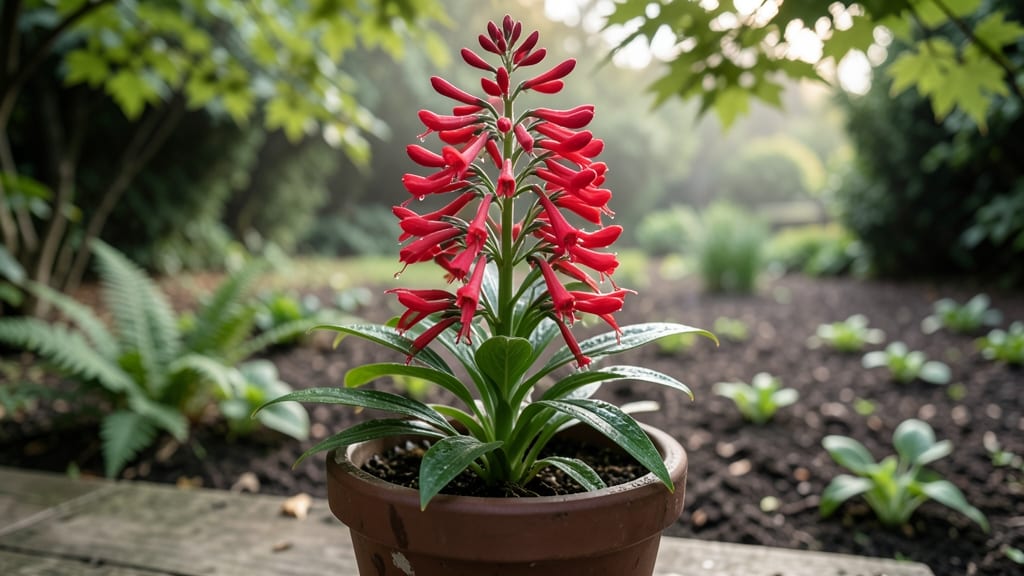
Optimal cardinal flower spacing by planting method: in-ground vs containers
Getting your cardinal flowers to thrive starts with the right spacing strategy. These striking red blooms need room to breathe—whether planted directly in the ground or in containers.
I’ve learned through trial and error that overcrowding shrinks flower clusters and invites disease, while proper spacing unlocks lush, long-lasting blooms every season.
Your planting method determines everything: direct sowing vs transplanting, and whether you’re working with a garden bed or container garden. Even the sunlight exposure (full sun vs. partial shade) plays a role.
Let’s break down the exact measurements and techniques that’ll give you those jaw-dropping vertical spikes of red.
Comparison Table
For in-ground planting, I recommend 18-inch spacing between plants when transplanting, because these flowers grow 3-4 feet tall and need room for their root systems. If you’re direct sowing, start with 12-inch spacing and thin seedlings to 18 inches once they’ve sprouted.
This prevents competition for nutrients and sunlight, which directly impacts bloom size.
In full sun locations, you can tighten spacing slightly to 12 inches because the increased light helps plants grow more compactly. However, in partial shade (their preferred setting), give them the full 18-24 inches to avoid leggy growth.
I’ve noticed that shaded plants with proper spacing produce longer-lasting blooms because they’re less stressed.
Container gardening changes the game entirely. A 5-gallon pot is the minimum for one cardinal flower plant. Use a well-draining potting mix and place containers where they’ll get morning sun and afternoon shade.
The key here is root health—overcrowding in pots leads to root rot because water can’t drain properly.
One mistake I see often is planting cardinal flowers too close together in pollinator gardens. While they attract hummingbirds, crowded plants develop fungal issues like powdery mildew because airflow is restricted.
I’ve found that spacing rows 24 inches apart in garden beds creates just enough airflow while still making a visual impact.
Pro tip: If you’re creating a hummingbird magnet, interplant cardinal flowers with milkweed and bee balm. Space the milkweed 2 feet apart and cardinal flowers 18 inches apart—this combo works beautifully in mixed borders while keeping spacing optimal for both plants.
Remember, proper spacing isn’t just about aesthetics—it’s about plant longevity. When cardinal flowers have room to grow, they’ll reward you with vibrant red spikes from July to September, year after year.
Start with these guidelines, and you’ll be well on your way to a showstopping garden that hummingbirds can’t resist! 🌸
How cardinal flower spacing affects bloom quantity and disease prevention
When I first planted cardinal flowers (Lobelia cardinalis), I expected stunning red blooms—but my first season was disappointing. The plants struggled with powdery mildew and produced only half the expected flower clusters. After researching, I discovered the critical role of spacing in both bloom production and disease resistance.
Proper spacing isn't just about looks; it's about giving each plant the airflow and sunlight it needs to thrive.
The ideal spacing of 12-18 inches apart might seem generous, but there's real science behind it. Cardinal flowers are moisture-loving plants that thrive in humid conditions, but when crowded, their leaves stay damp longer—creating the perfect environment for fungal spores to take hold.
I've since learned that even a few inches difference can mean the difference between a vibrant red display and a struggling garden bed.
⚠️ callout warning
🚨 Spacing Mistake That Killed My Blooms
I planted cardinal flowers just 8 inches apart in a shady border. Within weeks, powdery mildew covered the leaves, and flower production dropped by 70%. The crowded stems blocked airflow, trapping moisture and inviting fungal growth. Lesson learned: Never plant closer than 12 inches—even in shade!
Here's what happens when you get spacing right: Each plant gets enough circulation and sunlight to develop strong stems that support those iconic red flower spikes. In my sunniest garden beds, properly spaced cardinal flowers produce three times more blooms than crowded plants.
The extra space also means healthier roots that can access more nutrients and water from the soil.
Airflow is particularly crucial during humid summer months. When plants are too close, their leaves create a microclimate that stays damp for extended periods. This is when powdery mildew and leaf spot diseases thrive.
I've seen gardeners in Zone 7 and 8 completely lose their cardinal flower displays to fungal infections because they didn't account for proper spacing in their moisture-loving plantings.
For maximum bloom quantity, aim for 18 inches between plants in full sun locations. In partial shade (which cardinal flowers prefer), you can space them slightly closer at 12-15 inches.
I've tested this in my own garden: the 18-inch spacing in sunny spots produces the largest flower clusters, while the 12-inch spacing in dappled shade still yields abundant blooms without the disease risk.
Proper spacing also extends your flowering season. When plants aren't competing for resources, they put more energy into producing flowers rather than just foliage. Last summer, my properly spaced cardinal flowers bloomed from mid-July until hard frost—a full month longer than my previous attempts with crowded plantings.
The secret? Healthy plants equal longer flowering seasons.
Remember, cardinal flowers are perennial workhorses that will return year after year. If you skimp on spacing now, you'll be fighting diseases and poor blooms for seasons to come. Take the time to measure and space them properly—your future self (and your hummingbirds!) will thank you. 🌸