
Shrubs
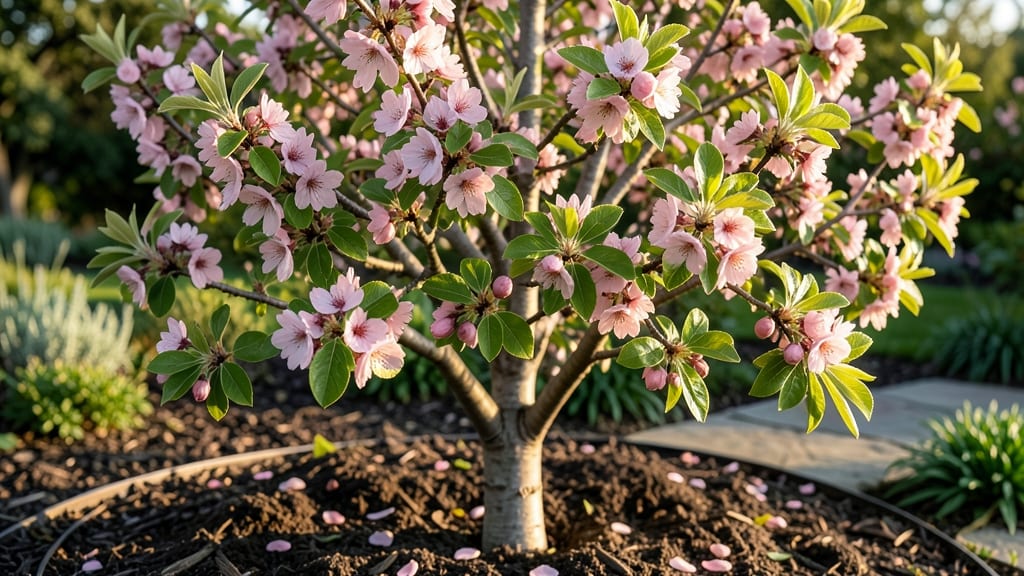
Want a flowering almond hedge 🌸 that bursts into vibrant blooms every spring without fail? The secret isn't just planting—it's mastering the pruning calendar that keeps your shrub thriving year-round.
Most gardeners make one critical mistake: pruning at the wrong time. I've seen stunning hedges turn into leggy shadows because of timing errors, and I'm here to help you avoid that.
With the right approach, you'll encourage dense foliage, maximize those fragrant pink flowers, and maintain that perfect hedge shape effortlessly.
This isn't about complicated techniques—just smart seasonal cuts that work with your plant's natural rhythm. Whether you're a beginner or have years of gardening under your belt, I'll walk you through exactly when and how to prune for year-round blooms and healthy growth.
Let's transform your flowering almond hedge from a seasonal showstopper to a perennial garden star with these proven strategies that actually work in your zone.
Seasonal pruning timeline for flowering almond hedges
Your flowering almond hedge thrives on precise seasonal pruning to maintain its stunning pink blooms and compact shape. Unlike many shrubs, almond hedges bloom on old wood, so timing is everything.
Prune too early, and you risk sacrificing next year's flowers. Too late, and you encourage overgrowth or weak branches. Let's break down the month-by-month schedule to keep your hedge in peak condition.
Understanding the growth cycle of flowering almonds is key. These hedges produce buds in late winter, flower in spring (April-May), and enter dormancy by fall. Each pruning session serves a purpose: post-bloom shaping, winter shaping, and spring preparation.
Missing these deadlines can lead to sparse blooms or leggy growth. Let's dive into the exact timeline and techniques for each season.
Here’s a comparison-table outlining the critical pruning tasks by season, including deadlines and tools needed:
Let’s start with the late spring pruning (May-June), the most critical time for your flowering almond hedge. After the pink blooms fade, focus on post-bloom shaping. Use bypass pruners to trim back any overgrown branches or dead blossoms.
This step encourages dense foliage and prevents the hedge from becoming leggy. Aim to remove no more than 25% of the plant’s height to avoid stressing it before the next blooming cycle.
During summer (July-August), your hedge enters a growth phase, but pruning should be minimal. Lightly trim any new shoots that disrupt the shape, but avoid heavy cuts. This is when your almond hedge is most vulnerable to sunburn or disease from open wounds.
If you notice yellowing leaves or pests, address them immediately but hold off on major pruning until fall.
As fall approaches (September), shift to winter prep shaping. This is your chance to thin out crowded branches to improve airflow and reduce the risk of fungal diseases. Use hedge shears to create a neat, tapered shape, ensuring the base is wider than the top.
Finish by October 15 to allow the hedge to harden off before winter. Mulch around the base to insulate roots and protect against frost.
Winter (December-February) is the dormant season for your flowering almond hedge. No pruning should occur during this time. Instead, focus on protecting the plant from harsh weather.
If you live in a cold climate (USDA Zone 6a or below), consider wrapping young hedges in burlap or using mulch to shield roots. This preparation ensures a stronger recovery when spring arrives.
When early spring (March) rolls around, it’s time for spring cleanup. Before the buds begin to swell (around March 15), remove any dead or diseased wood from last season. This step is crucial for preventing the spread of
How to prune flowering almond hedges for maximum blooms
Pruning your flowering almond hedge isn't just about shaping—it's about encouraging dense foliage and maximizing those stunning pink blooms. The key is timing and technique. If you prune at the wrong time, you could accidentally remove next year's flower buds, leaving you with sparse blooms.
I've learned through years of trial and error that the right cuts at the right time make all the difference.
Flowering almond hedges bloom on old wood, meaning their flowers form on last year's growth. This changes everything about how you prune. Unlike spring-flowering shrubs, you can't just cut back after flowering—you need a more delicate approach.
The goal is to thin out crowded branches while preserving the structure that produces those fragrant blossoms.
Step-by-Step Pruning Guide
-
Step 1: Post-Flowering Prune (Late May - Early June)
Remove dead or crossing branches and thin out overcrowded areas by up to 25% of the hedge. Use clean, sharp pruners to make 45-degree cuts just above outward-facing buds.
-
Step 2: Light Summer Trim (July)
Give your hedge a light shaping trim to maintain its form. Avoid heavy cuts—just remove any leggy growth or branches growing inward. This keeps the hedge dense and bushy without stressing the plant.
-
Step 3: Winter Pruning (Late February)
Before new growth begins, shape the hedge lightly to remove any dead wood or misplaced branches. This is your chance to refine the structure for the coming season, but avoid heavy cuts that could reduce next year's blooms.
-
Step 4: Rejuvenation Prune (Every 3-4 Years)
If your hedge looks overgrown or sparse, do a gradual rejuvenation. In early spring, cut back one-third of the oldest branches to the ground. Repeat this process over 3 years to avoid shocking the plant.
-
Step 5: Spring Cleanup (March)
Remove any winter-damaged branches and thin out any dense areas to improve airflow. This helps prevent diseases and ensures your hedge stays healthy as it prepares for blooming season.
Pro Tip: Always prune on a dry, sunny day to reduce the risk of fungal infections. Sterilize your pruners with rubbing alcohol between cuts to keep your hedge healthy.
One of the biggest mistakes I see is over-pruning in the fall or winter. Flowering almond hedges are already preparing for dormancy, and heavy cuts can stimulate new growth that won't harden off before frost. Instead, focus on light shaping and removing dead wood during these months.
To encourage dense foliage, always cut just above an outward-facing bud. This directs the plant's energy to grow outward, filling in any gaps in your hedge.
If you notice leggy growth developing, it's a sign you need to prune more frequently during the growing season to maintain a compact shape.
Finally, don't forget to step back and assess your hedge after each pruning session. A well-maintained flowering almond hedge should have a balanced shape with even foliage distribution and plenty of blooms.
With these techniques, your hedge will reward you with vibrant pink flowers year after year—just like the ones in my own garden! 🌸