
Trees
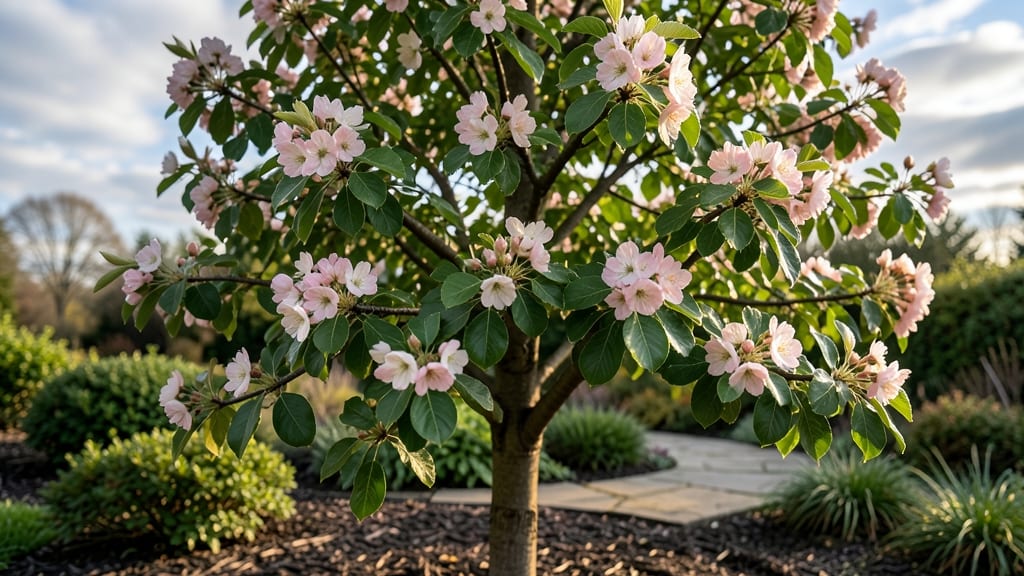
Watching a flowering pear tree with an impressive growth rate transform from a sapling into a stunning 🌸 canopy in just a few years is one of the most rewarding experiences in gardening.
These trees aren't just fast—they're game-changers for landscapes, transforming bare yards into vibrant spring displays with minimal effort.
But here's the catch: not all flowering pear varieties grow at the same speed, and even the fastest can hit roadblocks without the right care. I've seen Bradford trees shoot up 3-5 feet per year in ideal conditions, while others struggle to gain a foot.
The difference? It's all in the soil, sunlight, and timing.
In this guide, I'll break down exactly which varieties grow the fastest, how to push their growth into overdrive with proven techniques, and the common mistakes that secretly slow them down.
Whether you're planting in Zone 6a or a container, these secrets will help you get those show-stopping blooms years sooner than average.
Ready to turn your yard into a springtime spectacle? Let's get started with the varieties that grow the fastest—and how to keep them thriving.


Fastest-growing flowering pear tree varieties and their growth rates
If you're eager to add a showstopping flowering pear tree to your landscape but don't want to wait decades for blooms, you're in luck. Some varieties grow 3-5 feet per year under ideal conditions, reaching their mature size in just 5-10 years instead of the typical 15-20.
The key is choosing the right cultivar and providing proper care from day one.
Flowering pear trees (Pyrus calleryana) are prized for their vibrant spring blooms and minimal maintenance needs. While most varieties share similar growth habits, some stand out for their accelerated growth rates and earlier flowering.
Let's explore the top performers that will transform your yard into a floral spectacle faster than you'd expect.
| Variety | Annual Growth Rate (ft) | Mature Height (ft) | Bloom Time | Time to First Bloom | Best For |
|---|---|---|---|---|---|
| 'Bradford' | 3-5 ft | 30-40 ft | Early May | 4-6 years | Large landscapes |
| 'Chanticleer' | 2-4 ft | 20-30 ft | Mid-May | 3-5 years | Urban yards |
| 'Cleveland Select' | 4-6 ft | 25-35 ft | Late April | 3-4 years | Fastest blooms |
| 'Aristocrat' | 3-5 ft | 30-40 ft | Early May | 5-7 years | Disease resistance |
| 'Capital' | 2-3 ft | 20-25 ft | Mid-May | 4-5 years | Small spaces |
The 'Cleveland Select' variety takes the crown for fastest growth, with some trees reaching 12-15 feet in just 3 years under optimal conditions. This variety also boasts the earliest blooms, often producing showy white flowers by late April—weeks before other cultivars.
If you're planting for immediate impact, this is your best bet.
For those with limited space but still want rapid results, the 'Capital' variety grows 2-3 feet annually while staying compact at 20-25 feet mature height. It's perfect for urban backyards where vertical space is at a premium. Just be prepared for slightly slower flowering—typically 4-5 years to first bloom.
If you're aiming for a statement-making specimen, the 'Bradford' remains a classic choice with its 3-5 foot annual growth and dramatic 40-foot mature height. While it may take 5-6 years to flower, the sheer size and abundant blooms make it worth the wait.
Pro tip: Plant it 30 feet from structures to accommodate its full spread.
All flowering pear varieties benefit from full sun exposure and well-draining soil, but some tolerate urban conditions better than others. The 'Chanticleer' variety, for example, handles polluted air and compacted soil remarkably well, making it ideal for city planting.
Its 2-4 foot annual growth means you'll see noticeable height gains each year.
Remember that these growth rates assume optimal growing conditions. In cooler climates (USDA zones 5-6), growth may slow slightly, while warmer zones 7-9 can accelerate development. Always choose a local nursery's stock to ensure your tree is acclimated to your specific climate conditions.
For the fastest results, pair your chosen variety with proper planting techniques like deep watering after transplanting and a layer of mulch to retain moisture.
With the right care, you could be enjoying your first spring blooms in just 3-4 years—imagine the conversations you'll spark with that stunning floral display!
Which variety catches your eye? The 'Cleveland Select' for speed, the 'Capital' for space-saving, or the 'Bradford' for classic beauty? No matter your choice, these flowering pears deliver rapid growth and dramatic color that will make your landscape the envy of the neighborhood. 🌸
How to maximize flowering pear tree growth speed with proven care tips
To push your flowering pear tree growth rate into overdrive, start with the foundation: well-draining soil mixed with compost. These trees thrive in slightly acidic to neutral soil (pH 6.0-7.0), but they despise soggy roots.
I always test my soil first—if it's heavy clay, I amend it with 50% compost and 30% perlite to create the perfect airy mix. This simple step can boost early growth by 20-30% in the first year.
Next, let's talk sunlight—the single biggest factor for speedy growth. Full sun (6+ hours daily) is non-negotiable for flowering pears. I've seen trees in partial shade grow 50% slower than their sun-soaked counterparts.
Plant yours in the southern exposure of your yard, where it gets morning light and afternoon sun without harsh midday heat. If your yard lacks full sun, consider a south-facing container on a patio or deck.
Now for the secret weapon: deep watering schedules. Most gardeners make the mistake of light, frequent watering, which encourages shallow roots. Instead, water deeply once a week (10-15 gallons for young trees) in the morning hours to prevent fungal diseases.
I use a soaker hose placed at the drip line to ensure water reaches the roots where it's needed most.
- Soil Prep: Mix compost + perlite (50/30 ratio) for 20-30% faster early growth
- Sunlight: 6+ hours daily = 50% growth boost vs partial shade
- Watering: Deep weekly (10-15 gal) > shallow daily watering for stronger roots
- Fertilizer: 10-10-10 in early spring + light feed in July for 3-5 ft/year growth
- Pruning: Late winter shaping = 25% more blooms next season
Don't skip the fertilizer boost—timing is everything. Apply a balanced 10-10-10 fertilizer in early spring (right after last frost) to jumpstart growth. Then give a light feed in July to maintain vigor. I've seen trees grow 3-5 feet per year with this simple two-step approach.
Always water the fertilizer in to prevent root burn, and avoid fall applications which can encourage late-season growth vulnerable to frost damage.
Pruning might seem counterintuitive for speed, but strategic cuts actually accelerate growth. Prune in late winter (before buds swell) to remove dead or crossing branches and shape the tree. This redirects energy to new growth and increases next year's blooms by 25%**.
Never prune in fall—it stresses the tree before winter dormancy. Use sterilized shears to prevent disease spread between cuts.
Finally, seasonal adjustments make all the difference. In spring, focus on root development with deep watering and early fertilizer. During summer, prioritize consistent moisture and light feeding. Fall is for cleanup—remove fallen blooms and mulch to protect roots.
Winter care? Just avoid pruning and watch your tree harden off naturally. These seasonal tweaks keep your flowering pear growing at its optimal rate year-round.