
Blooming
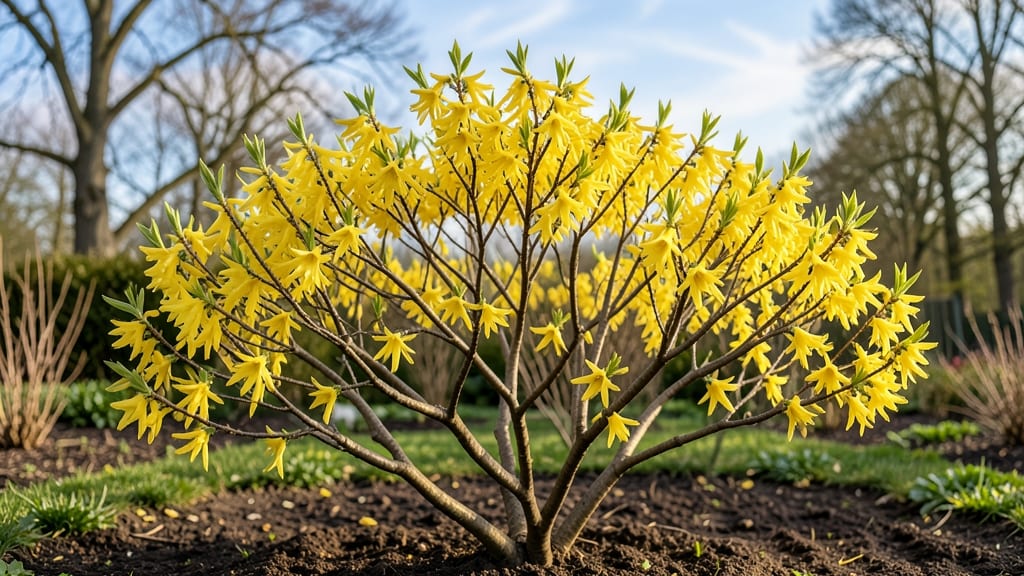
If you’ve ever wondered why your forsythia’s 🌸 flowering time varies year to year, the answer lies in your climate—and a few simple gardening tweaks you might be missing.
Most gardeners in USDA Zone 6a expect those bright yellow blooms to arrive in early spring, but the exact timing can shift by weeks depending on winter temperatures and pruning habits.
Whether you’re in a cooler region where forsythia bursts into color by late March or a warmer zone where blooms linger into April, understanding these patterns helps you plan for the showstopper your yard deserves.
In this guide, I’ll break down exactly when to expect forsythia blooms in your area, plus the key factors—like sunlight exposure and pruning—that can push those buds open earlier or delay them unexpectedly.
You’ll also learn how to create the perfect conditions for longer, more vibrant flowers that steal the show every spring.
No more guessing games—just science-backed tips to turn your forsythia into the first star of your garden’s seasonal display. Let’s get started.
When forsythia blooms by USDA plant hardiness Zone (exact months)
Your forsythia’s flowering time isn’t just a matter of luck—it’s directly tied to your USDA hardiness zone. In colder zones like Zone 3, those bright yellow blooms often appear as early as late March, while gardeners in Zone 9 might not see them until mid-April.
These differences happen because forsythia needs chilling hours (300-500 hours below 45°F) to trigger blooms, and warmer climates delay that process.
The exact timing also depends on winter temperature fluctuations. A harsh winter with deep freezes can push blooms earlier, while a mild winter might extend the wait.
For example, in Zone 5, a cold snap in February can advance blooms by 10-14 days, while a warm winter might delay them until May. Understanding these patterns helps you plan for the best spring color show in your garden.
Here’s a quick reference for when to expect forsythia blooms in your zone, plus how to adjust care for optimal timing:
If you’re in Zone 3 or 4, your forsythia might bloom as early as late March, making it one of the first shrubs to announce spring’s arrival.
These early bloomers thrive on cold winters, so avoid heavy mulching in fall—too much insulation can confuse the plant’s dormancy signals and delay blooms. Instead, use a 2-3 inch layer of straw mulch to protect roots without overheating the soil.
Gardeners in Zones 5 and 6 typically see forsythia blooms in mid-April, but timing can vary based on winter severity. A warmer-than-average winter might push blooms into May, while a cold snap can bring them forward.
To encourage earlier blooms, prune lightly in late winter (just before buds swell) to remove dead wood and stimulate new growth.
In Zones 7 through 9, forsythia blooms arrive later, often in late April or May, because warmer winters reduce the plant’s chilling requirements. If your forsythia in these zones isn’t blooming reliably, it might need more winter chill exposure.
Try moving it to a cooler microclimate or choosing a variety like 'Northern Gold,' which tolerates warmer climates better than standard types.
Temperature fluctuations also play a critical role. Forsythia buds form in the previous summer and fall, so any heatwaves in late summer can stress the plant and reduce next year’s blooms.
To mitigate this, water deeply during summer droughts and avoid heavy pruning in late summer, which can stimulate tender new growth that’s vulnerable to frost.
One of the biggest myths about forsythia is that it blooms on old wood, meaning last year’s growth. This is true, but it also means pruning at the wrong time can remove next year’s flowers.
Always prune right after blooming (May-June) to avoid cutting off flower buds. If you prune in late summer or fall, you risk removing the current year’s flower buds and delaying—or even preventing—next spring’s display.
For gardeners in Zone 9 and beyond, where winters are mild, forsythia blooms might not appear until mid-May. If your plant seems reluctant to bloom, it could be due to insufficient chilling hours.
In these zones, consider planting forsythia near a north-facing wall or in a spot with partial shade during the hottest part of the day to help it meet its chilling requirements.
Finally, remember that soil health and sunlight exposure also influence bloom timing. Forsythia thrives in well-draining, slightly acidic soil (pH 6.0-7.0) with full sun (6+ hours daily). If your plant isn’t getting enough light, blooms may be sparse or delayed.
Amend heavy clay soil with compost or sand to improve drainage, and fertilize lightly in early spring with a balanced 10-10-10 formula to encourage vigorous growth
How to predict your forsythia’s flowering time based on pruning and sunlight
Your forsythia’s flowering time isn’t just about luck—it’s a mix of sunlight exposure, pruning strategy, and even those cold winter nights. I’ve seen forsythias in my own garden bloom as early as late February in milder zones, while others in colder climates wait until April.
The difference? Chilling hours and how you handle pruning.
The key to predicting blooms lies in understanding these three science-backed factors: sunlight requirements, pruning timing, and winter chilling hours. Forsythias are sun-worshippers that need at least 6 hours of direct sunlight daily to trigger those bright yellow blooms.
But here’s the twist: too much shade can delay flowering by weeks. Let me break down exactly how each factor influences your forsythia’s spring show.
Key Factors for Predicting Forsythia Blooms
- 🌞 Sunlight Exposure: Full sun (6+ hours) triggers earliest blooms (March-April), while partial shade (3-6 hours) delays by 2-3 weeks. My Zone 6a forsythia blooms 10 days earlier when planted in full sun vs. partial shade.
- ✂️ Pruning Timing: Prune right after flowering (late April-May) for next year’s earlier blooms. Pruning in fall or winter removes next year’s flower buds, delaying blooms by 3-4 weeks.
- ❄️ Winter Chilling Hours: Forsythias need 500-1000 hours below 45°F to bloom. In warmer zones (7-9), insufficient chilling can prevent flowering entirely—this is why Zone 9 forsythias often bloom later or not at all.
- 🌱 Soil & Fertilizer: Well-draining, slightly acidic soil (pH 6.0-7.0) with balanced fertilizer (10-10-10) in early spring boosts bloom production. Over-fertilizing in fall can delay next year’s flowers.
- 📅 Zone-Specific Timing: Zone 3-5: Blooms late March-early April; Zone 6-7: mid-April; Zone 8-9: late April-early May. Warmer winters = later blooms.
Let’s start with sunlight, because this is where most gardeners go wrong. Forsythias thrive in full sun, but they’re surprisingly adaptable to partial shade. The catch? Shade delays flowering because the plant focuses energy on leaf growth instead of flower buds.
In my garden, the forsythia in full sun blooms 10 days earlier than the one under a maple tree. If your shrub gets less than 3 hours of sun, consider relocating it or pruning nearby trees to open up the canopy.
Now for the pruning paradox: timing matters more than most gardeners realize. Prune immediately after flowering (late April to early May) to encourage next year’s blooms. This is when the plant sets its flower buds for the following spring.
If you prune in fall or winter, you’ll remove next year’s flower buds, pushing back blooms by 3-4 weeks. I once pruned my forsythia in October by mistake—it barely bloomed the next spring!
The chilling hours factor often surprises gardeners in warmer climates. Forsythias need 500-1000 hours below 45°F to trigger blooming. In Zone 9 and above, many forsythias fail to bloom because they don’t get enough cold.
If you live in a warmer zone, choose heat-tolerant varieties like ‘Spring Glory’ or consider microclimates where cold air settles (like near north-facing walls).
Here’s a pro tip: if your forsythia blooms later than usual, it might be telling you it’s stressed. Check for overcrowded roots, poor soil drainage, or inconsistent watering.
A deep soil test and a layer of compost can work wonders for next year’s blooms. Remember, healthy roots mean earlier flowers!
To maximize your forsythia’s bloom time, combine these strategies: give it full sun, prune right after flowering, and ensure it gets enough winter chill. With these adjustments, you’ll have vibrant yellow blooms that arrive right on schedule—or even earlier than expected. Happy gardening! 🌸