
Tools
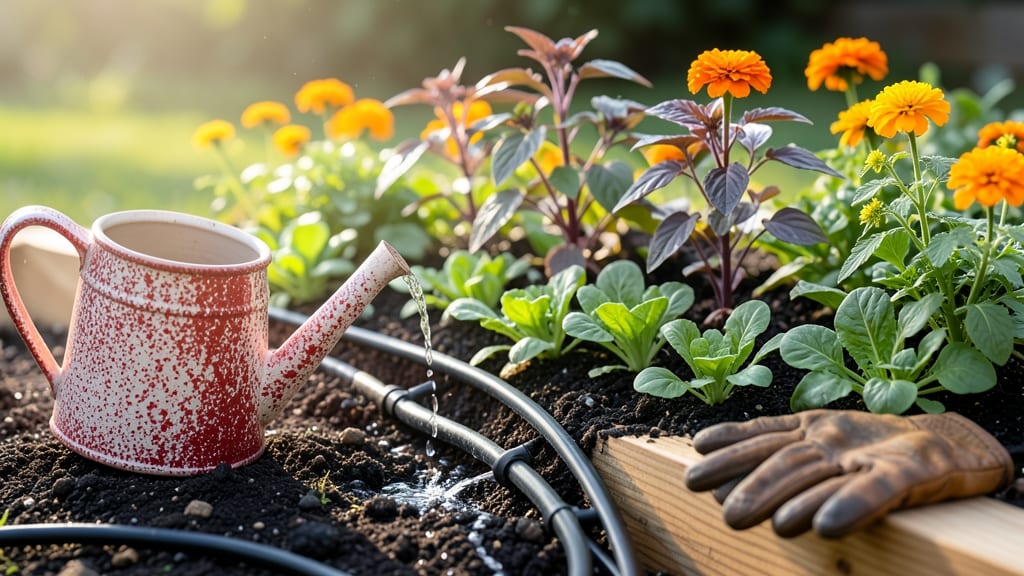
Watering a garden bed properly is the difference between lush, thriving plants and wilting disappointment—it’s all about consistency and technique.
Struggling with waterlogged soil or withered plants? The secret to thriving garden beds isn’t just how much you water—it’s when and how you do it. Mastering precision watering transforms root health, conserves water, and eliminates waste without extra effort.
Most gardeners overwater or underwater by accident, thinking more is better. But deep, infrequent soaks encourage strong roots, while shallow sprinkles lead to weak, thirsty plants. The right approach saves time, money, and keeps your 🌱 garden bed flourishing year-round.
In this guide, I’ll break down the science of watering—when to do it, how much, and which tools make it easier. You’ll learn to read your soil, adjust for heat and rain, and spot the subtle signs of over- or under-watering before they damage your plants.
Optimal watering times for garden beds to maximize root growth
Watering your garden bed at the wrong time can stunt root growth, waste water, and even invite fungal diseases. I’ve learned through years of trial-and-error (and a few sad, wilted plants) that timing matters just as much as technique.
The best watering schedule aligns with your local climate, plant types, and even daily weather patterns to ensure water penetrates deeply where roots need it most.
Morning watering—between 6 AM and 10 AM—is the golden standard for most gardeners. This timing allows water to soak into the soil before the heat of the day causes rapid evaporation.
Plus, plants have all day to absorb moisture through their roots before nightfall. Evening watering, while common, can leave foliage damp overnight, creating the perfect conditions for powdery mildew and other fungal issues.
Here’s the science behind it: Deep watering in the morning encourages roots to grow downward in search of moisture, creating a robust root system. Shallow watering—like light sprinkles in the evening—trains roots to stay near the surface, making plants more vulnerable to drought.
I’ve seen firsthand how tomatoes and peppers develop stronger stems and deeper roots when watered consistently in the morning.
Your local climate plays a huge role in adjusting this rule. In arid regions like Arizona or California, morning watering is non-negotiable—up to 60% less water is lost to evaporation compared to afternoon sessions.
Meanwhile, in humid climates like the Southeast, you might need to water slightly earlier (before 8 AM) to prevent prolonged leaf wetness, which fuels fungal spores.
Let’s break down the best practices with a quick comparison to help you decide what works for your garden:
For container gardens or potted plants, morning watering still wins—but you’ll need to adjust frequency. Containers dry out faster, so I water mine by 6 AM every other day in summer, even if it’s not raining.
Pro tip: Use a moisture meter to check soil depth (aim for 1-2 inches deep moisture). Overwatering containers is just as harmful as underwatering!
Seasonal shifts demand flexibility. In summer, I water my garden beds twice daily—once in the morning and once in the late afternoon (after 4 PM) to avoid scorching leaves.
During winter, I cut back to bi-weekly watering unless we’re in a drought. Always check the top 2 inches of soil—if it’s dry, it’s time to water.
One mistake I see often? Watering based on a schedule instead of soil conditions. Instead of sticking to "every Tuesday," I dig my finger into the soil. If it feels dry 2 inches down, I water deeply.
This method saves water and prevents root rot from over-saturation. For newly planted beds, water immediately after planting, then every 2-3 days for the first two weeks to encourage root establishment.
Don’t forget about mulch—it’s your secret weapon for retaining moisture. A 2-3 inch layer of organic mulch (like straw or wood chips) reduces evaporation by up to 30% and keeps roots cool.
I apply mulch after watering in the morning so it has time to dry slightly, preventing mold growth. For vegetable gardens, I use straw because it breaks down quickly, adding nutrients to the soil.
If you’re still unsure about timing, start with morning watering and adjust based on your plants’ response. Watch for wilting leaves (underwatering) or yellowing foliage (overwatering). With practice, you’ll develop a rhythm that keeps your garden beds thriving with minimal effort—and zero wasted water. 🌱
The zero-waste watering system: techniques to reduce runoff & waste
Watering garden beds efficiently isn’t just about saving water—it’s about delivering moisture directly to roots where plants need it most. Traditional overhead watering wastes up to 50% of water through evaporation and runoff.
By targeting the soil, you’ll see healthier roots, fewer weeds, and a 30% reduction in water usage within weeks. The best part? Many solutions are simple to implement, even for beginners.
Start with the right tools for your garden size. Small raised beds thrive with DIY drip systems made from repurposed bottles, while larger in-ground plots benefit from smart irrigation controllers. Every drop counts, so let’s explore the most effective methods to eliminate waste while keeping your plants happy and hydrated.
Slow, targeted water delivery directly to root zones. Use 1/4-inch tubing with emitters spaced 12-18 inches apart for even coverage.
Apply 2-4 inches of organic mulch (straw, wood chips) to retain moisture and block weeds. Replenish every 3-6 months.
Wireless sensors like Rachio or Blossom monitor soil moisture and auto-adjust watering. Ideal for large gardens or irregular schedules.
Collect rainwater in 55-gallon barrels with a spigot. Use a first-flush diverter to filter debris before storage.
Layer landscape fabric over a reservoir layer (gravel, sand) beneath soil. Plants draw water upward, reducing manual watering by up to 70%.
For small gardens, a simple DIY drip system costs under $20 and uses repurposed plastic bottles as reservoirs. Poke small holes in the cap, place the bottle near plant roots, and bury it halfway.
As water drains, it hydrates the soil slowly—perfect for herbs and salad greens that hate soggy feet.
Larger plots benefit from smart controllers like the Orbit B-Hyve, which learns your garden’s needs and adjusts for rain delays. Pair it with soaker hoses wrapped around the bed’s perimeter for uniform saturation. Always water in the early morning to minimize evaporation and fungal risks.
Don’t overlook the power of group planting. Cluster plants with similar water needs together—like tomatoes, basil, and peppers—to streamline irrigation. This reduces wasted water on thirsty plants while keeping moisture-loving varieties happy. A well-designed bed can cut your watering time in half while improving plant health.
Consistency is key. Check soil moisture weekly by inserting your finger 1-2 inches deep. If it feels dry, it’s time to water. With these zero-waste techniques, you’ll not only save water but also create a thriving, low-maintenance garden that’s kind to both your plants and the planet. 🌱