
Flowers
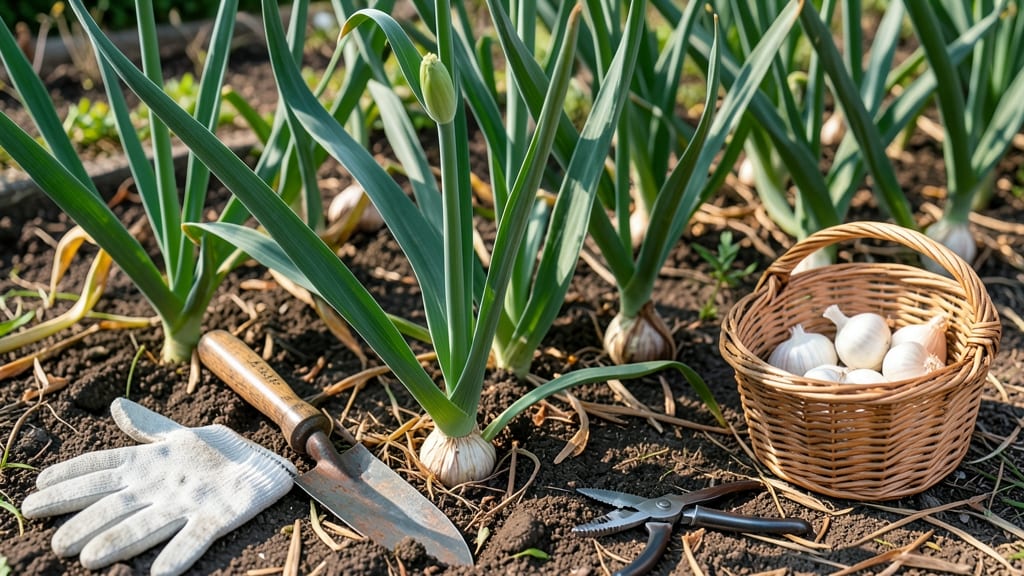
Harvesting garlic before or after it flowers is the single most important decision for growing plump, flavorful bulbs. That tall flower stalk—called a scape—might look tempting, but removing it at the right time actually boosts your harvest.
The truth is, timing everything just right can mean the difference between a small, weak bulb and a large, premium-quality harvest that stores beautifully.
Most gardeners make the mistake of waiting too long, letting the garlic flower fully before pulling it. But here’s the secret: the best time to harvest is actually before those flowers fully open.
When you spot the scape curling up (around mid-to-late spring), snip it off immediately—this redirects the plant’s energy back into bulb development. If you miss this window, you risk smaller bulbs or even premature drying.
What happens if you harvest too early or too late? Harvesting before the bulbs are fully formed means you’ll end up with underdeveloped cloves that won’t store well. On the other hand, waiting until the leaves turn completely brown means the bulbs may shrink and split as they dry.
The key is watching for the right visual cues—like when the lower leaves start yellowing but the tops are still green.
In this guide, I’ll walk you through exactly how to tell when your garlic is ready, the best practices for different varieties, and what to do if you’ve already missed the ideal window. Let’s make sure your next harvest is the best one yet!


The science behind garlic flowering and bulb development
Garlic plants face a biological dilemma every growing season: should they focus energy on producing flowering scapes or developing plump bulbs? This energy allocation explains why timing your harvest correctly is crucial.
When garlic plants flower, they divert nutrients from bulb growth, which directly impacts your final yield. Understanding this process helps you decide whether to harvest before or after those tall flower stalks appear.
The key lies in the plant's natural priorities. Garlic is a biennial plant, meaning it typically takes two years to complete its life cycle. In the first year, it focuses on bulb development, while in the second year, it would normally flower and produce seeds.
However, gardeners harvest garlic in its first year, before it can fully transition to flowering. This makes timing critical to maximize bulb size.
When garlic plants produce scape stalks (the curly flower stems), they're signaling they're ready to shift energy toward reproduction. If you allow the plant to flower, it will create seed heads at the expense of bulb growth.
Removing scapes early can redirect that energy back into your bulbs, potentially increasing their size by 20-30%. But timing this removal is just as important as deciding when to harvest.
Here's how the energy allocation works in practice: when garlic plants develop scapes, they're preparing to produce 10-20 seeds per bulb. Each seed requires significant energy to develop, which would otherwise go toward bulb growth.
For example, a hardneck garlic variety might produce a 2-inch bulb without scapes, but only a 1-inch bulb if allowed to flower. This energy trade-off is why most gardeners prefer to harvest before full flowering occurs.
The perfect harvest window occurs when about 50-60% of the lower leaves have turned brown and dried. At this stage, the bulbs are fully developed but haven't yet begun to dry out. Harvesting too early (when leaves are still mostly green) results in small, underdeveloped bulbs that won't store well.
Harvesting too late (when leaves are completely brown and papery) leads to shriveled bulbs that lose their papery skins and may rot during storage.
Interestingly, the hardneck varieties (like Rocambole or Purple Stripe) are more likely to produce scapes than softneck varieties (like Artichoke or Silverskin). This difference affects harvest timing strategies. Hardnecks often need scapes removed to maximize bulb size, while softnecks may not produce scapes at all.
Understanding your garlic type helps you tailor your harvest approach for optimal results.
| Stage | Harvest Decision | Bulb Development | Energy Allocation |
|---|---|---|---|
| Pre-scape emergence | Do NOT harvest | Bulbs growing actively | 100% to bulb growth |
| Scape emergence | Remove scapes (optional) | Bulbs 70-80% developed | 80% to bulbs, 20% to scapes |
| Post-scape removal | Do NOT harvest yet | Bulbs 85-95% developed | 95% to bulbs, 5% to regrowth |
| 50% lower leaves brown | Optimal harvest time | Fully developed bulbs | 100% to bulb maturation |
| Full flowering | Harvest too late | Shrunken bulbs | 50% to seeds, 50% to bulbs |
| All leaves brown | Critical harvest delay | Dried, shrunken bulbs | 0% to bulbs (energy lost) |
🌱 Key: Harvest timing directly affects bulb size and storage quality
The scape removal decision is where most gardeners get creative. Some choose to harvest scapes for cooking (they're mild and garlicky), while others remove them entirely to boost bulb size. Studies show that removing scapes can increase bulb size by up to 30% in hardneck varieties.
For example, if you're growing Music garlic, removing scapes when they're 6-12 inches tall can result in bulbs that are nearly twice as large as those from plants left to flower.
One common misconception is that you should harvest garlic immediately after scapes emerge. In reality, waiting 2-4 weeks after removing scapes allows bulbs to fully develop. During this period, the plant redirects energy from potential seed production back into bulb growth. For instance, if you remove sc
When to harvest garlic based on your climate and variety
Your garlic’s harvest window depends on two critical factors: variety type (hardneck vs. softneck) and your local climate.
In cooler regions like USDA Zones 3-7, garlic typically matures between mid-July and August, while warmer climates (Zones 8+) may see harvests as early as June or as late as September.
The key is watching for the plant’s natural signals—like leaf color changes and bulb firmness—rather than relying solely on a calendar date.
For hardneck garlic, the classic variety most gardeners grow, the harvest window opens when about 50-60% of the lower leaves have turned yellow and dried back. This usually happens 2-3 weeks after you remove the scape (the curly flower stalk).
Softneck varieties, like Artichoke garlic, take slightly longer—often until late summer or early fall—because they focus more energy on bulb development than flowering.
In cool climates, where frost is a concern, aim to harvest garlic before the first hard frost but after the bulbs have fully formed.
If you’re in a warm climate, like Southern California or Florida, your garlic may mature earlier, but don’t rush—wait until the stems begin to brown and the cloves feel firm when gently squeezed.
The goal is to pull the garlic when it’s fully mature but still plump, not when it’s overripe.
Here’s the golden rule: Harvest garlic when the lower leaves are brown, the upper leaves are still green, and the bulbs are round and firm. If you wait too long, the bulbs will shrink and split as they dry in the soil.
On the other hand, harvesting too early means underdeveloped cloves that won’t store well. The balance is everything!
Do You Harvest Garlic Before or After It Flowers?
If you’re growing hardneck garlic, pay close attention to the scape—the curly flower stalk that emerges in late spring. When it reaches about 6-8 inches tall, snip it off with a clean cut.
This redirects the plant’s energy back into the bulbs, ensuring they grow larger and more flavorful. Without removing the scape, the plant will divert energy to flowering, resulting in smaller bulbs.
For softneck garlic, which doesn’t produce scapes, focus on the leaf color and bulb size. Wait until the lower leaves are brown and the bulbs are fully round in the soil.
Softneck varieties often take longer to mature, so patience is key. If you’re unsure, gently dig up one bulb to check its size—if it’s small and soft, wait a few more weeks.
Regardless of variety, always harvest garlic on a dry, sunny day to allow the bulbs to dry properly. After pulling, let them cure in a shady, well-ventilated area for 2-4 weeks before storing.
Proper curing is essential for long-term storage and preventing mold. With the right timing, you’ll enjoy plump, flavorful garlic bulbs that last all winter!