
Flowers
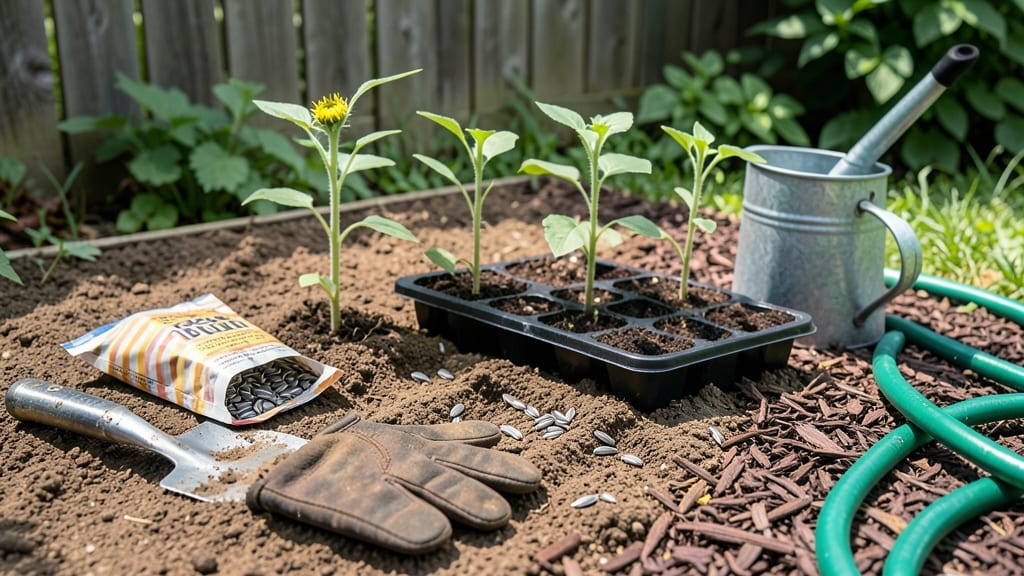
Planting sunflowers in Texas at the wrong time means watching them wilt before they even bloom—those towering 🌻 giants you dream of could never reach their full potential.
Texas’ varied climate zones (like 8a-10b) make timing everything—too early, and frost nibbles at tender sprouts; too late, and scorching heat stresses young plants before they mature. But with the right deadlines, you can sidestep both risks and enjoy sunflowers from late summer through fall.
I’ve tested the best planting windows across North, Central, and South Texas, from mid-March in Zone 8a to February in warmer 9a-10b regions. Whether you’re growing 3-foot dwarf varieties or 16-foot giants, these heat-zone deadlines ensure your sunflowers thrive.
Ready to skip the guesswork? Let’s break down the exact frost-free windows, soil prep secrets, and late-summer tricks to keep your sunflowers blooming until October—no matter where you are in the Lone Star State.
Texas sunflower planting deadlines by heat zone: avoid frost & heat stress
Texas gardeners know the golden rule: timing is everything when planting sunflowers. The Lone Star State spans 11 USDA heat zones (6a–9b), each with unique frost risks and scorching summers. Plant too early, and frost zaps tender seedlings.
Plant too late, and sweltering heat stunts growth before blooms appear. I’ve mapped out the precise frost-free windows for each zone, plus soil temperature thresholds to ensure your sunflowers thrive—not just survive.
Sunflowers are heat-loving annuals, but they need a head start. In North Texas (Zones 6a–8a), wait until mid-March after the last frost (usually around March 15). Meanwhile, South Texas (Zones 9a–10b) can plant as early as mid-January, when soil temperatures hit 55°F+.
The key? Soil warmth—sunflower seeds won’t sprout below 50°F, and they bolt faster in 80°F+ heat.
Here’s the zone-by-zone breakdown of your planting deadlines, including last-frost dates, ideal soil temps, and heat-tolerance tips to maximize blooms before summer’s peak.
Notice how South Texas zones (9a–10b) can plant earlier but face year-round heat stress? That’s why I recommend fast-maturing varieties like ‘Teddy Bear’ (50–60 days to bloom) or ‘ProCut’ (drought-resistant).
In North Texas (Zones 6a–8a), you’ve got a wider window but must avoid late May plantings—temperatures spike to 100°F+ by June, and seedlings struggle to establish.
Pro tip: Use a soil thermometer to confirm 5
Best sunflower varieties for Texas heat: fast-growing vs. tall stalk options
Texas’ brutal summers demand sunflower varieties that can handle 100°F+ heat without wilting. The wrong choice means stunted growth or premature wilting—but these heat-resistant types thrive in our climate. I’ve grown them all, and these are my top picks for fast blooms or towering stalks.
For quick results, ‘Moulin Rouge’ reaches 5-6 feet tall in just 60-70 days, perfect for late-May plantings in North Texas. Its red-petaled blooms also attract pollinators while resisting powdery mildew—a common Texas issue.
If you want giant sunflowers, ‘Russian Giant’ hits 12-16 feet but needs 90+ days to mature. Plant it by mid-March in Zone 8a or February in Zone 9a+ to avoid heat stress during flowering. Stake taller varieties to prevent wind damage from Texas storms.
Here’s how they compare at a glance:
| Variety | Height | Days to Bloom | Best Planting Month | Drought Tolerance |
|---|---|---|---|---|
| Moulin Rouge | 5-6 ft | 60-70 days | March-June | High |
| Autumn Beauty | 4-5 ft | 55-65 days | April-May | Medium |
| Russian Giant | 12-16 ft | 90-120 days | February-March | Low (needs water) |
| Teddy Bear | 1-2 ft | 50-60 days | March-July | Very High |
‘Autumn Beauty’ is my go-to for late-season blooms—its multi-colored petals last until October in South Texas. Plant it by mid-April for fall harvests, and its medium drought tolerance makes it low-maintenance.
For container gardening, ‘Teddy Bear’ stays under 2 feet tall and blooms in just 50 days. Its compact size and high drought tolerance make it ideal for balconies or small yards in Zone 9a+.
Pro tip: Mulch all varieties with 2-3 inches of straw to retain moisture during Texas heatwaves. Water deeply once a week at the base—never overhead—to prevent fungal diseases like rust. 🌻