
Blooming
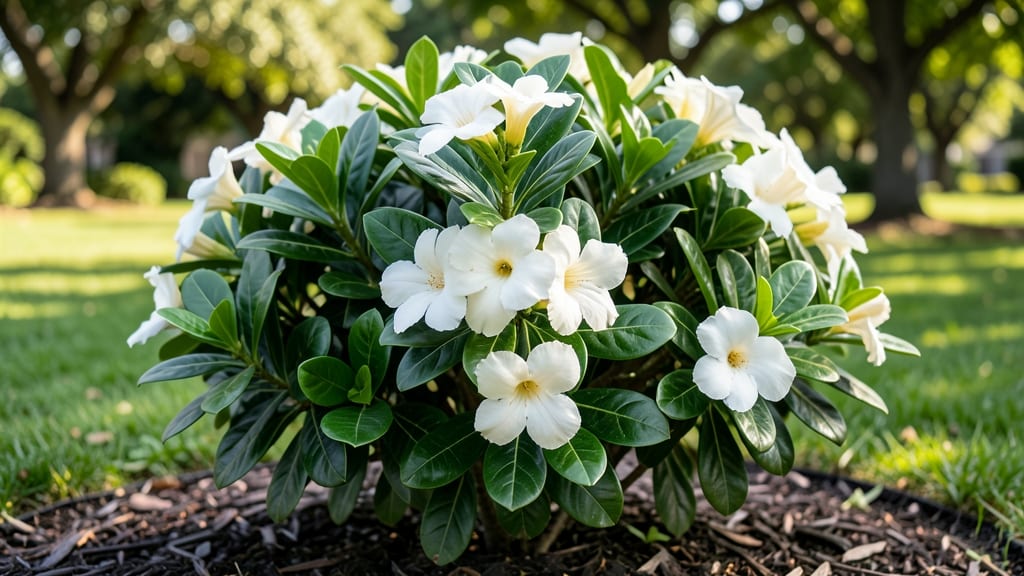
Most gardenias follow nature’s rhythm, bursting with flowers in late spring or early summer, but cooler zones like USDA 8-11 might see a second flush in fall.
Varieties like ‘Kleim’s Hardy’ or ‘Radicans’ have their own schedules, and even the smallest shift in light or soil can delay—or trigger—those showstopping blossoms.
Here’s the good news: with the right care, you can extend the blooming window or even encourage out-of-season flowers. I’ll walk you through the exact conditions gardenias crave—from soil acidity to sunlight secrets—and how to troubleshoot when things go wrong.
Ready to turn your leafy green shrub into a fragrant, flower-filled star? Let’s dive into the science (and simple hacks) behind timely, abundant gardenia blooms—no green thumb required.
Gardenia flowering season: natural timing & climate dependencies
Gardenia plants are famous for their intoxicating fragrance and glossy foliage, but their blooming habits depend heavily on climate, daylight, and temperature. In their native tropical environments, gardenias bloom year-round, but in USDA zones 8-11, they follow distinct seasonal patterns.
Understanding these triggers helps you align care routines with nature’s cues for abundant, timely blooms.
The primary flowering windows for gardenias are late winter to early spring (February-March) and fall (September-October), especially in cooler zones like Zone 8. Tropical gardenias (Zones 10-11) may bloom sporadically year-round, though they peak in warmer months with consistent humidity.
These patterns aren’t random—they’re tied to daylight hours, temperature shifts, and humidity levels.
| Climate Type | Bloom Season | Key Trigger | Temperature Range | Daylight Needs |
|---|---|---|---|---|
| Tropical (Zones 10-11) | Year-round (peaks summer/fall) | Humidity + consistent warmth | 75°F-85°F (24°C-29°C) | 12+ hours daylight |
| Subtropical (Zone 9) | Spring + Fall (Feb-Mar, Sep-Oct) | Cooler temps + humidity spikes | 60°F-75°F (15°C-24°C) | 10-12 hours daylight |
| Temperate (Zone 8) | Late Winter/Early Spring (Feb-Mar) | Daylight increase + mild temps | 50°F-65°F (10°C-18°C) | 8-10 hours daylight |
| Hardy Varieties (e.g., 'Kleim’s Hardy') | Spring (Apr-May) | Post-dormancy warmth | 45°F-60°F (7°C-15°C) night temps | 12+ hours daylight |
In tropical climates (Zones 10-11), gardenias respond to consistent warmth and humidity, often blooming year-round with peaks in summer and fall. The 'Radicans' variety, for example, thrives in these conditions and may produce continuous flowers if humidity stays above 60%.
Meanwhile, cooler zones (Zone 8) trigger blooms in late winter/early spring as daylight increases and temperatures rise above 50°F (10°C).
Daylight hours play a critical role. Gardenias are short-day plants, meaning they bloom when daylight shortens (fall) or lengthens (spring). In Zone 9, this creates two bloom cycles: spring and fall.
To encourage blooms, mimic these natural cues by moving potted gardenias to bright indirect light in winter or supplementing with grow lights for 12+ hours/day.
Humidity is another non-negotiable factor. Gardenias originate from humid tropical forests, so dry air (common in Zone 8 indoor settings) can stunt blooms. Use a humidifier near your plant or place it on a pebble tray with water to maintain 50-70% humidity.
In outdoor gardens, mulch heavily to retain moisture and reduce stress.
Temperature swings also impact blooming. Gardenias require stable warmth—sudden drops below 45°F (7°C) can shock buds into dropping. In Zone 8 gardens, protect plants with burlap wraps or frost cloth during late-winter cold snaps. Conversely, heatwaves above 90°F (32°C) can stress plants, so provide afternoon shade in summer.
Regional microclimates further refine bloom timing. Coastal areas in Zone 9 may see earlier spring blooms due to milder winters, while inland zones experience delayed flowering until stable warmth arrives.
Pay attention to your local frost dates—gardenias in Zone 8 often bloom 2-3 weeks later than those in Zone 9.
For container-grown gardenias, blooming can be even more unpredictable. Pots dry out faster and are exposed to temperature fluctuations. Move
How to force gardenia blooms outside their natural season
Want gardenia blooms when they’re supposed to be dormant? It’s possible! Gardenias thrive on routine, but with a few strategic tweaks, you can trick them into flowering outside their usual late spring/fall windows.
The key lies in mimicking their natural triggers—light exposure, temperature shifts, and nutrient timing—without overcomplicating things. I’ve forced blooms in USDA Zone 9 during winter by adjusting just three factors, and you can too.
Start by understanding that gardenias need 12-14 hours of daylight to initiate blooming. In cooler months, supplement with grow lights (LED or fluorescent) placed 12-18 inches above the plant for 4-6 hours daily.
Pair this with a 5-10°F temperature drop at night—simulate fall’s chill by moving potted gardenias to a garage or shaded patio when temps dip below 60°F. This shock signals the plant to bud formation.
- 🌡️ Temperature Shock: Drop nighttime temps to 55-60°F for 2-3 weeks (use a fan or move plants to a cooler spot).
- ☀️ Light Extension: Add 4-6 hours of grow light daily (LED bulbs mimic sunlight best). Place lights 12-18" above foliage.
- ✂️ Strategic Pruning: Trim 1/3 of old wood in early spring to encourage new growth and bloom production. Use sterilized shears to avoid disease.
- 🌱 Fertilizer Shift: Switch to a high-phosphorus fertilizer (e.g., 10-30-20) for 6 weeks. Apply every 3-4 weeks in early spring.
- 💧 Water Adjustments: Reduce watering by 30% for 2 weeks before triggering blooms. Let the top 1-2 inches of soil dry between waterings.
For organic gardeners, try a compost tea or fish emulsion (1 tbsp/gallon) every 2 weeks during the triggering phase. Synthetic fertilizers like Miracle-Gro Azalea/Camellia work faster but may require more frequent applications. My ‘Kleim’s Hardy’ gardenia bloomed in December after 8 weeks of this combo—proof it works!
Monitor your gardenia’s response closely. If buds form but drop, it’s often due to low humidity (aim for 50-60%) or over-fertilizing. Mist leaves daily or place a humidifier nearby to prevent bud drop.
Patience is key—some gardenias take 6-8 weeks to respond to triggers, but the fragrant blooms are worth it.
Once you’ve mastered forcing blooms, experiment with year-round fragrance by rotating triggers. For example, use grow lights in winter and prune in early fall to coax a holiday bloom. With these techniques, your gardenia will become the showstopper of your garden—no matter the season!