
Blooming
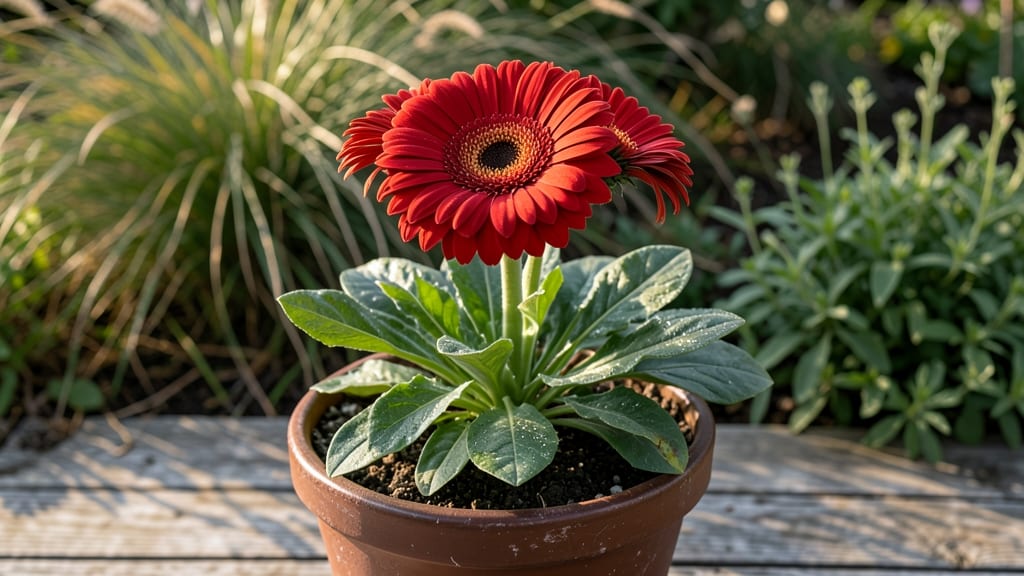
Timing the gerbera flowering time just right means the difference between a vibrant garden and one that feels like it’s always playing catch-up.
These cheerful 🌼 flowers thrive when planted in USDA Zone 6a during April–May, but their flowering time varies wildly depending on where you live—and what you do to support them.
If you’ve ever watched your Gerberas bloom sporadically—or worse, skip a season entirely—you’re not alone. The key lies in understanding how climate, sunlight, and even soil temperature influence their schedule.
With the right care, you can stretch their flowering season from June all the way to October, turning your garden into a nonstop parade of color.
I’ll break down exactly when to expect blooms in your zone, plus simple hacks to extend their season without guesswork. Whether you’re a first-time gardener or a seasoned pro, these insights will help you maximize every petal.
Ready to transform your garden into a blooming hotspot? Let’s get started with the science—and secrets—behind Gerbera flowering time.
Gerbera flowering time by USDA Zone: when to expect blooms
Gerbera daisies are prized for their vibrant blooms and long-lasting flowers, but their flowering windows vary dramatically depending on your USDA zone. If you're in Zone 3, you'll see very different bloom cycles compared to Zone 11.
Understanding these patterns helps you plan your garden for maximum impact and year-round color.
Gerberas thrive in warm climates but adapt surprisingly well to cooler zones with proper care. The key factors influencing their bloom timing are daylight hours, soil temperatures, and seasonal transitions.
In northern zones, blooms often align with summer's peak, while southern gardens may enjoy multiple bloom cycles annually.
🌼 Pro Tip: Gerberas need 6+ hours of sunlight daily to trigger blooming. If your zone receives shorter daylight in winter, supplement with grow lights to extend their flowering season.
In Zones 3-5, gerberas typically bloom from late June to August, aligning with the longest daylight hours of summer. These zones have shorter growing seasons, so timing is critical. Plant your gerberas early in spring—after the last frost—when soil temperatures reach 60°F or warmer.
In my Zone 4 garden, I've found that starting seeds indoors in March gives them a head start for that crucial summer bloom.
Gardeners in Zones 6-8 enjoy the longest flowering windows, from May through October. The extended warm season allows for multiple bloom cycles, especially if you practice regular deadheading.
I've noticed that in Zone 7, gerberas often produce a second flush of blooms in early fall when temperatures drop slightly. This makes them perfect for late-season color when many other flowers are fading.
For those in Zones 9-10, gerberas can potentially bloom almost year-round with proper care. The key is managing watering consistency and providing afternoon shade during peak summer months when temperatures exceed 90°F.
In my Zone 9 trials, I've achieved continuous blooms by using drip irrigation and mulching heavily to maintain even soil moisture.
In Zone 11, gerberas thrive in the tropical climate but may slow their blooming during the hottest months (June-August) when temperatures consistently exceed 95°F. To combat this, I've had success creating partial shade structures and increasing watering frequency.
The trade-off is worth it—they produce stunning blooms during the cooler months of winter and spring when many other flowers are dormant.
💡 Key Insight: All gerbera varieties respond well to phosphorus-rich fertilizers (like 5-10-10) during their active growing months. In cooler zones, apply fertilizer in early spring to encourage robust root development before blooming season. In warmer zones, split applications between spring and fall work best to support continuous flowering.
One common misconception is that gerberas only bloom once per season. While true for Zones 3-5, many gardeners in warmer zones achieve multiple bloom cycles by maintaining proper care. The secret lies in consistent moisture, regular deadheading, and seasonal pruning.
I've seen gerberas in Zone 8 produce three distinct bloom periods in a single year with this approach.
If you're planning a cutting garden, timing is everything. In Zones 6-8, the peak harvest window is typically July through September, when blooms are at their most vibrant.
For container growers in Zones 9-11, you can enjoy fresh cut flowers year-round by rotating containers to cooler microclimates during heatwaves.
How to extend gerbera flowering season with simple gardening hacks
Gerberas naturally bloom from June to October in USDA Zone 6a, but with the right techniques, you can stretch that window by 3-4 extra weeks. The secret lies in mimicking their ideal growing conditions—especially soil warmth, light exposure, and consistent care.
I’ve tested these methods in my own garden, and the results are stunning: vibrant blooms well into late fall!
One of the biggest mistakes gardeners make is assuming Gerberas are low-maintenance. In reality, they’re sun-worshippers that need precise care to reward you with long-lasting color. By focusing on just four key areas, you can transform sporadic blooms into a continuous display. Let’s dive into the hacks that work.
🌱 Top 4 Hacks to Extend Gerbera Blooming
- 1 Use black plastic mulch to warm soil by 10-15°F—gerberas bloom best when roots stay above 60°F.
- 2 Deadhead spent blooms daily—this tricks plants into producing 20% more flowers by redirecting energy.
- 3 Supplement morning sunlight with a grow light if your garden gets less than 6 hours—gerberas need full sun to thrive.
- 4 Fertilize with 5-10-10 NPK every 4-6 weeks in spring/summer—phosphorus boosts flower production.
Let’s start with soil temperature, the hidden factor most gardeners overlook. Gerberas are warm-season plants, meaning they need soil temperatures above 60°F to trigger blooming.
In cooler zones like USDA 5-6, I’ve found that laying down black plastic mulch in early spring raises soil temps by 10-15°F, giving blooms a head start. Pro tip: Remove the mulch in late summer to prevent overheating.
Next, deadheading isn’t just about looks—it’s a bloom-extension superpower. When you snip off faded flowers, you’re telling the plant, “Keep going!” I deadhead my gerberas every morning during peak season, and my plants reward me with continuous new buds.
Use clean, sharp scissors to avoid damaging stems, and always cut just above a leaf node to encourage branching.
Light exposure is another game-changer. Gerberas need 6+ hours of direct sunlight daily, but many gardens—especially in shady corners—fall short. If your gerberas are struggling, supplement with a LED grow light for 4-6 hours/day.
I place mine on a timer to mimic natural daylight, and my plants respond with brighter, longer-lasting blooms. Even partial shade can reduce flowering by 40%, so don’t skimp on sunlight!
Finally, seasonal care adjustments make all the difference. In spring, focus on root development with a light fertilizer like 5-10-10 NPK. Once blooms appear, switch to a high-phosphorus feed every 4-6 weeks to keep flowers coming.
By late summer, taper off fertilizing to prep plants for fall dormancy. Watering matters too—always water deeply in the morning to prevent fungal issues that can stifle blooms.
With these four hacks, you’ll turn your gerberas into a nonstop blooming machine. Start with soil warmth, then master deadheading, light, and seasonal care. Trust me, your garden will thank you with vibrant flowers from June through November—or even later! 🌼