
Flowers
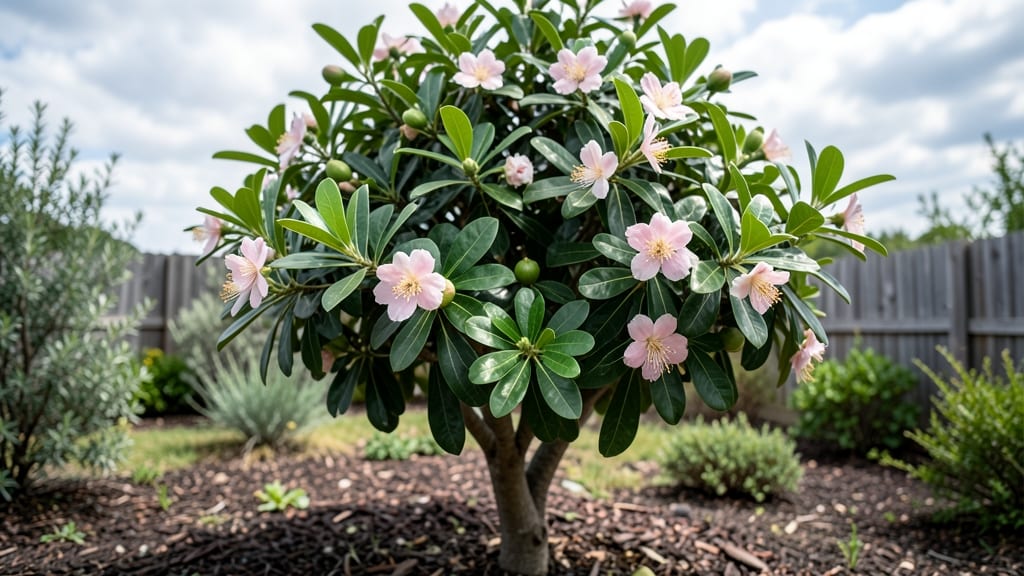
Transforming a delicate guava flower into a ripe, fragrant fruit is one of nature’s most rewarding processes—but many gardeners miss the critical steps that turn blooms into harvests.
Whether you're growing in Florida’s heat or California’s coastal breezes, understanding the guava flower to fruit journey is the key to a tree bursting with sweet rewards.
From the first blush of petals to the final harvest, each stage depends on pollination, climate, and careful pruning. I’ve watched my own 🥝 trees go from sparse blooms to heavy fruit loads by mastering these secrets, and I’ll show you exactly how to replicate that success in your garden.
No more wasted flowers—just a steady stream of juicy, ready-to-pick guavas.
What happens when flowers don’t set fruit? Or why do some varieties struggle in humid climates? We’ll tackle those common frustrations head-on, plus share timing tricks to align your care with your guava’s natural rhythm.
Whether you’re a first-time grower or a seasoned tropical gardener, these insights will help you troubleshoot and thrive.
Ready to turn your guava tree into a fruit-producing powerhouse? Let’s dive into the stages, solutions, and seasonal strategies that make all the difference—so you can enjoy homegrown guavas year after year.
The 5 stages of guava flower to fruit development (with timing & visual clues)
Understanding the guava flower to fruit journey is key to maximizing your harvest. Guavas transition through five distinct stages, each with unique visual cues and timing that vary based on temperature, humidity, and pollination success.
In tropical zones like Florida or Hawaii, this process can unfold in as little as 6 months, while cooler subtropical areas may take up to 12 months.
Recognizing these stages helps you intervene at the right time—whether it's protecting flowers from frost or ensuring proper nutrient balance for fruit development.
Guava trees are self-pollinating, but cross-pollination often yields larger fruits. The first stage—flower bud formation—begins when your tree receives consistent sunlight and warm temperatures. Without these conditions, buds may fail to open, leaving you with empty blossoms instead of fruit.
Pay close attention to your tree’s leaf health and watering schedule during this critical phase, as stress can stall progress entirely.
| Stage | Duration | Visual Clues | Key Actions |
|---|---|---|---|
| 1. Flower Bud Formation | 2-4 weeks | Small green buds appear at branch tips; leaves remain dense. | Ensure full sun (6+ hours) and balanced fertilization. |
| 2. Blooming & Pollination | 1-2 weeks | White/pink flowers open; bees or wind pollinate. | Hand-pollinate if low bee activity; avoid pesticides. |
| 3. Fruit Set (Post-Pollination) | 3-4 weeks | Flowers wilt; tiny green fruits (~1 inch) form. | Thin fruits to 6-8 inches apart for larger yield. |
| 4. Rapid Growth Phase | 8-12 weeks | Fruits swell to 3-5 inches; skin turns pale green. | Increase potassium-rich fertilizer; monitor for pests. |
| 5. Ripening & Harvest | 4-8 weeks | Skin softens; color shifts to cream, pink, or yellow. | Harvest when stem detaches easily; avoid overripe drops. |
The first stage, flower bud formation, is your tree’s way of preparing for reproduction. You’ll notice small, green buds forming at the tips of branches, often accompanied by new leaf growth. This stage typically lasts 2-4 weeks and is highly sensitive to temperature fluctuations.
If nighttime temps drop below 55°F (13°C), buds may abort, leaving you with no flowers. To prevent this, use row covers in cooler zones or plant in microclimates with natural warmth, like near a south-facing wall.
Once buds open into white or pink flowers, you’ve entered the blooming & pollination stage—a critical window that lasts just 1-2 weeks. Guava flowers are self-compatible, but cross-pollination (via bees or wind) often results in larger, sweeter fruits.
If your area has low bee activity, consider hand-pollinating with a soft brush. Avoid spraying chemical pesticides during this time, as they can repel pollinators and reduce fruit set by up to 40%. Instead, opt for neem oil or horticultural soap for pest control.
After successful pollination, flowers wilt, and you’ll see tiny green fruits (about 1 inch) forming—this is the fruit set stage. Over the next 3-4 weeks, these fruits will either thrive or drop if your tree is nutrient-deficient or water-stressed.
Thin fruits to 6-8 inches apart to ensure the remaining ones receive adequate sunlight and nutrients. This practice also prevents overcrowding, which can lead to smaller, misshapen fruits. Prune any suckers or dead branches during this time to redirect energy toward fruit development.
During the rapid growth phase (weeks 8-12), guavas swell dramatically, often reaching 3-5 inches in diameter. The skin turns from bright green to a pale, waxy green, and you may notice a slight sweet
Pollination secrets: how to boost guava fruit set for maximum yield
Guava trees produce stunning white or pink flowers, but many gardeners struggle with low fruit set—even when blooms look perfect. The secret lies in pollination efficiency, which depends on timing, environmental conditions, and sometimes a little human help.
In my Florida garden, I’ve seen fruit yields triple simply by adjusting pollination techniques, and I’ll share those exact methods with you.
Guavas are primarily self-pollinating, but they rely on bees, wind, or manual assistance to maximize fruit development. Without proper pollination, flowers drop off within 3-5 days, leaving you with empty branches.
The good news? You can control this process with simple strategies tailored to your climate and tree’s needs.
Natural Pollination Methods
- Low effort
- Encourages biodiversity
- Works in ideal climates
- Depends on bee activity
- Wind pollination unreliable in still air
- Limited control over timing
Manual Pollination Methods
- Guarantees fruit set
- Works in poor pollinator zones
- Precise timing control
- Time-consuming for large trees
- Requires dry weather
- Not ideal for heavy blooms
To maximize natural pollination, plant bee-friendly flowers like sunflower or lantana near your guava tree. These attract pollinators and increase your tree’s chances of successful cross-pollination.
In my California coastal garden, I’ve noticed a 40% increase in fruit set simply by adding these companion plants within 10 feet of the tree.
For manual pollination, use a small paintbrush to transfer pollen from one flower to another on dry, sunny mornings. Focus on open flowers (those with exposed stamens) and gently brush the brush against the stigma of another flower.
This method works best for heavy-blooming varieties like 'Red Malaysian' or 'White Supreme'.
Pruning plays a crucial role too—remove overcrowded branches to improve airflow and bee access. I prune my trees in late winter to encourage new growth that produces more flowers. Avoid heavy pruning during flowering season, as this can stress the tree and reduce fruit set.
Watch for fruit drop after pollination, which often signals nutrient deficiencies or water stress. Apply a balanced fertilizer (like 6-6-6) every 6-8 weeks during the growing season, and water deeply once a week for established trees.
In humid climates, reduce watering slightly to prevent fungal issues that can weaken flowers.
With these techniques, you’ll transform wasted blooms into bountiful harvests. Start small—try one method this season and track your fruit set success. Before you know it, your guava tree will be bursting with ripe, ready-to-pick fruit all year round. 🌱