
Size
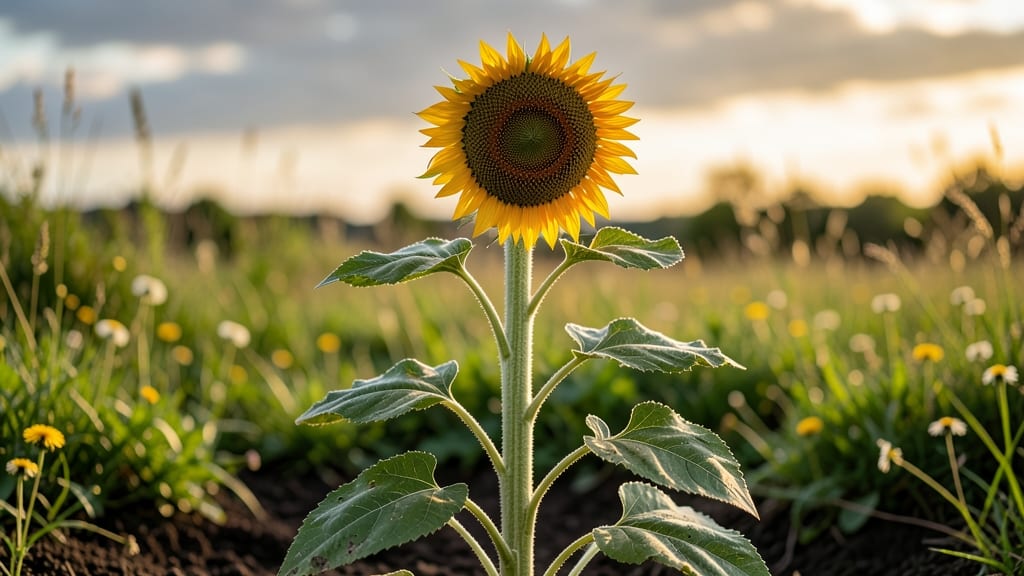
If you’ve ever planted a sunflower and watched it shoot up like a 10-story skyscraper in weeks, you know these plants don’t mess around with height. The height of sunflowers can swing wildly—from tiny 2-foot dwarfs perfect for containers to towering giants that outshine your fence line.
But how do you pick the right variety for your space?
Whether you’re dreaming of a privacy screen or a playful pollinator garden, the variety you choose determines everything. Some sunflowers stay modest, while others reach heights that’ll make your neighbors jealous.
I’ll break down the exact ranges so you can plan like a pro—no more guessing games about whether your 🌻 will need staking or just take up vertical real estate.
Here’s the kicker: soil, sunlight, and spacing can tweak those heights even more. A giant variety in poor soil might stay short, while a dwarf could stretch if crowded. I’ll share the secrets to nudging your sunflowers toward your ideal height—whether you want them to climb or stay compact.
Ready to turn your garden into a sunflower showstopper? Let’s dive into the varieties, the science, and the tricks to get the perfect height of sunflowers for your vision.

Sunflower height ranges by variety: from dwarf to giant
Choosing sunflowers for your garden means selecting a height range that matches your space and goals. Some varieties stay compact at just 2 feet tall, while others soar to 16 feet—taller than most basketball hoops!
The key to maximizing their potential lies in understanding how maturity timelines and variety traits influence growth. Whether you're planning a pollinator-friendly border or a dramatic backyard focal point, knowing these ranges helps you avoid overcrowding and achieve the perfect look.
Sunflower heights aren’t just about aesthetics—they also affect pollination success, wind resistance, and even harvesting ease. Dwarf varieties mature faster (typically 50-60 days), while giant cultivars may take 90-120 days to reach their full height.
This timeline directly impacts how much vertical space you’ll need to allocate, especially in smaller gardens or containers. Let’s explore the three main height categories and the best varieties for each.
| Variety Type | Height Range | Maturity Days | Best For |
|---|---|---|---|
| Dwarf | 2–4 ft | 50–60 days | Containers, borders, kids' gardens |
| Semi-Dwarf | 4–8 ft | 60–75 days | Cut flowers, pollinator gardens |
| Standard | 8–12 ft | 75–90 days | Privacy screens, focal points |
| Giant | 12–16 ft | 90–120 days | Dramatic displays, large spaces |
My top pick for dwarf sunflowers is 'Teddy Bear', which stays under 3 feet but produces 12-inch blooms perfect for cutting. This variety matures in just 55 days, making it ideal for container gardening or small-space gardens.
For medium-height options, 'Moulin Rouge' reaches 6–8 feet with striking bicolor blooms, thriving in USDA Zones 2–11. If you’re aiming for giant sunflowers, 'Russian Giant' can exceed 14 feet—but it needs spacious root zones and staking to prevent toppling in wind.
One common misconception is that all sunflowers need full sun to reach their maximum height. While 6–8 hours of sunlight is ideal, some dwarf varieties like 'Sunspot' (3–4 ft) tolerate partial shade, making them versatile for shadier garden corners.
However, taller varieties will bolt upright toward the sun, so positioning matters. For example, planting giant sunflowers on the north side of your garden ensures they grow straight rather than leaning.
Maturity timelines also play a crucial role in height potential. Early-season varieties like 'Autumn Beauty' (5–6 ft) mature in 60 days, while late-season giants like 'Mammoth' (12–16 ft) take 100+ days.
If you’re in a short growing season, choose fast-maturing varieties to ensure they reach even half their potential height. For instance, 'Little Becka' (3–4 ft) is a reliable 50-day option for cooler climates.
For pollinator gardens, taller sunflowers (8–12 ft) like 'ProCut' attract bees and birds from greater distances, while dwarf varieties provide early-season nectar for bumblebees. If you’re growing sunflowers for seeds, giant varieties yield larger seed heads, but their longer maturity means you’ll need to plan ahead.
For example, 'American Giant' (10–14 ft) produces heavy seed heads that may require additional support as they mature.
In my own garden, I’ve found that spacing sunflowers by height prevents overcrowding and improves air circulation. For dwarf varieties, I plant them 12 inches apart, while giant sunflowers need 3–4 feet of space between plants.
This not only maximizes height potential but also reduces the risk of powdery mildew, a common issue in dense plantings. If you’re growing sunflowers in containers, opt for dwarf or semi-dwarf varieties like 'P
How sunflower height impacts garden layout and spacing
Sunflower height isn’t just about aesthetics—it’s the foundation of your garden’s structure. A 6-foot dwarf variety needs completely different spacing than a 12-foot giant. The wrong layout can lead to overcrowding, weak stems, or even sunflowers toppling in windy conditions.
I’ve designed gardens where sunflowers create living privacy screens, and others where they’re tucked into containers—each requires a unique approach.
Your sunflower’s height dictates everything from companion planting to wind resistance. Tall varieties like ‘Mammoth’ need 2 feet of space between plants to avoid shading neighbors, while dwarfs like ‘Teddy Bear’ thrive in clusters.
Even the way you arrange them affects pollinators—tall varieties can block bees from reaching shorter flowers if planted too densely.
- 🌱 Dwarf Varieties (2-4 ft): Plant in containers or tight clusters (12-18" apart). Ideal for window boxes or pollinator borders.
- 🌿 Medium Varieties (4-8 ft): Space 18-24" apart. Perfect for backyard screens or mixed flower beds with shorter plants in front.
- 🌳 Giant Varieties (8-16 ft): Give 2-3 ft spacing. Use trellises or stakes for wind-prone areas. Plant near trees or fences for support.
- ✂️ Wind Resistance Tip: Tall varieties need staking or group planting (3+ plants clustered) to prevent toppling. Avoid planting near open fields.
- 🌻 Companion Planting: Pair tall varieties with low-growing plants like marigolds or basil. Use vertical space with climbing beans or cucumbers near sunflowers.
Height also influences your garden’s seasonal flow. In early summer, tall sunflowers can block sunlight from shorter plants, so stagger planting times. Start with dwarf varieties in late spring, then add medium and tall types as the season progresses.
This creates a natural succession that keeps your garden vibrant from June to October.
For urban gardens with limited space, consider vertical arrangements. Use tiered planters to layer dwarf sunflowers at the top and trailing plants like nasturtiums below. This maximizes your small footprint while creating visual interest.
Even in-ground gardens benefit from this layered approach—place taller varieties at the back of beds and shorter ones in front.
Pro tip: If you’re growing sunflowers for cut flowers, prioritize spacing to avoid damaging stems. Crowded plants develop weak stems that snap easily when harvested. Give them room to grow strong, and you’ll enjoy longer-lasting bouquets with minimal effort.