
Flowers
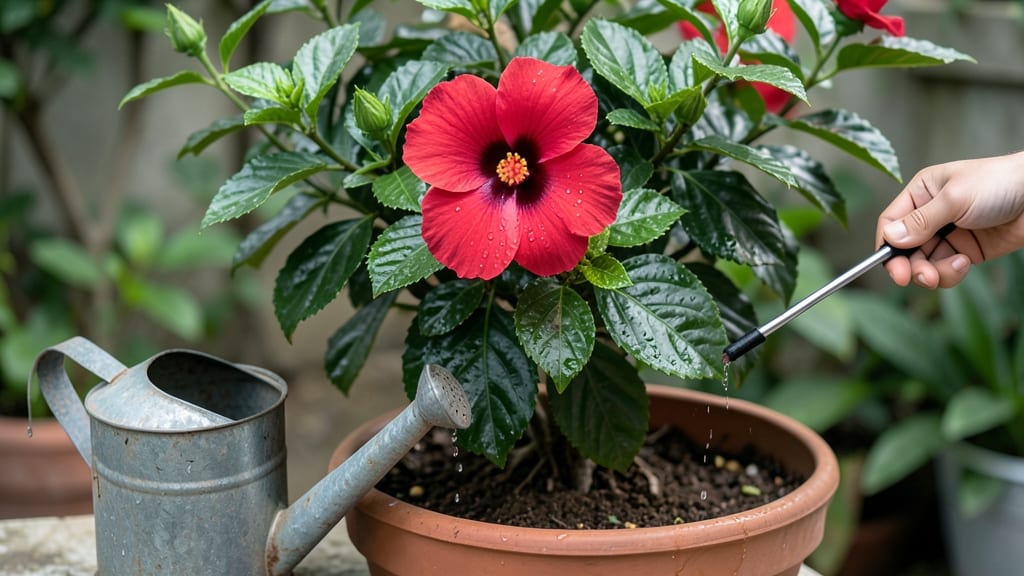
Want your hibiscus flower watering routine to unlock those jaw-dropping blooms year-round? The secret isn’t just sunshine—it’s mastering the art of keeping roots hydrated without drowning them in a swampy mess.
Hibiscus plants thrive when their roots stay consistently moist but never soggy. Too little water, and those lush blooms wilt faster than a forgotten salad. Too much, and you’ll end up with root rot instead of vibrant flowers.
The trick is finding that perfect balance, especially in Zone 6a where temperatures swing wildly between seasons.
I’ve tested every method—from quick surface sprinkles to deep-soaking techniques—and the results speak for themselves. With just 3 simple steps, you can transform your hibiscus care routine and keep those flowers blooming like they’re in a tropical paradise. Let’s dive into the exact schedule and signs to watch for.
Whether you’re dealing with wilting leaves or stubborn yellowing, you’ll learn how to adjust your watering game for each season. By the end, your hibiscus will be the talk of the neighborhood—and you’ll finally understand why some gardeners swear by their watering routine.
The perfect hibiscus watering schedule for year-round blooms
Hibiscus thrives in tropical conditions, but replicating that moisture balance in your garden requires more than just occasional watering. These stunning flowers demand consistent hydration while avoiding soggy roots that lead to rot.
The key lies in understanding how seasonal changes and climate zones affect their water needs—especially since hibiscus roots need oxygen too!
Think of your hibiscus like a thirsty traveler in a desert oasis: it needs deep, satisfying drinks but not so much that it drowns. Morning watering is ideal because it gives roots time to absorb moisture before the heat of the day.
Overwatering at night can lead to fungal issues, while underwatering causes buds to drop before they open—both heartbreaking for gardeners!
Soil moisture tests are your secret weapon. Stick your finger 2–3 inches into the soil—if it feels dry, it's time to water. If it's still damp, wait another day. This simple check prevents the two biggest hibiscus killers: root rot and bud drop. Pro tip: Use a moisture meter for accuracy, especially in containers where soil dries faster.
Now let's break down the seasonal watering schedule that keeps your hibiscus blooming from spring through fall—with winter adjustments to protect it from cold stress. The table below shows exact frequencies for each season, plus climate-specific tweaks.
Spring is all about reviving roots after winter dormancy. Water deeply every 2–3 days to encourage new growth, but avoid soggy soil. In Zone 8-10, hibiscus may need daily watering if temperatures exceed 90°F—watch for wilting leaves as a signal.
For Zone 6-7, reduce to every 3 days unless you're seeing crispy leaf edges, which means it's thirsty!
Summer demands the most attention. Hibiscus in full sun can lose 2 gallons of water per day through transpiration. Water at dawn to minimize evaporation, and always aim for deep watering—this means watering until you see moisture draining from the bottom of containers or 6 inches into garden soil.
Mulch with 2–3 inches of organic matter to retain moisture and keep roots cool.
Fall slows everything down, but don't let your hibiscus dry out completely. Reduce watering to weekly in temperate zones, but keep an eye out for yellowing leaves, which could signal overwatering as roots prepare for dormancy.
In tropical zones, maintain every 4 days until temperatures drop below 60°F at night.
Winter care varies wildly by zone. In Zone 8-10, hibiscus may still need bi-weekly watering if temperatures stay above freezing. For Zone 6-7, cut back to monthly or only water if the soil is completely dry.
Never let containers freeze—wrap them in bubble wrap or move them to a sheltered spot. A dormant hibiscus is resilient, but overwatering in cold weather will kill it faster than frost!
Pro tip: Container hibiscus dry out 3x faster than in-ground plants. Check soil moisture daily in summer, and consider using self-watering pots or a drip irrigation system on a timer. For garden beds, group hibiscus with other thirsty plants like bougainvillea to create a microclimate that retains moisture longer.
Remember, hibiscus buds form best when roots are consistently
Signs you’re overwatering or underwatering hibiscus (and how to fix it)
Your hibiscus might look like it’s thriving, but those yellowing leaves or drooping flowers are actually silent SOS signals. I’ve seen gardeners overcorrect with water, thinking their plants need more—only to end up with root rot.
The key is reading your hibiscus’s cues before it’s too late. Let’s decode the signs and fix them fast.
Start by checking the soil moisture with your finger. Stick it about 1 inch deep—if it feels damp, hold off on watering. If it’s bone-dry, your hibiscus is thirsty.
But here’s the kicker: wilting leaves can mean either too much or too little water. That’s why you need to look closer at the leaf edges and stem health.
For overwatered hibiscus, the first fix is improving drainage. Amend your soil with perlite or sand to break up compacted earth. If your plant is in a pot, check for drainage holes—no holes mean no escape for excess water.
I once saved a hibiscus by repotting it in a mix of 50% potting soil and 50% coconut coir, and it bloomed again within weeks.
If your hibiscus is underwatered, focus on deep watering rather than light sprinkles. Water slowly until it seeps out the drainage holes, ensuring the root zone gets fully hydrated.
In Zone 6a, mulch around the base with 2–3 inches of organic mulch to retain moisture. This trick cuts my summer watering by 30% while keeping blooms vibrant.
Humidity plays a sneaky role too. Hibiscus love 60–70% humidity, but dry air in summer can stress them. Place a tray of water near potted hibiscus or mist the leaves daily in extreme heat.
Just avoid wetting the flowers—damp petals invite fungal infections. I’ve seen hibiscus recover from underwatering in just 3–5 days with these adjustments.
Pro tip: Adjust your routine by season. In summer, water daily; in winter, cut back to bi-weekly. Watch for new growth—it’s your hibiscus’s way of saying, “I’m happy now!” With these fixes, your plant will bounce back faster than you think.