
Blooming
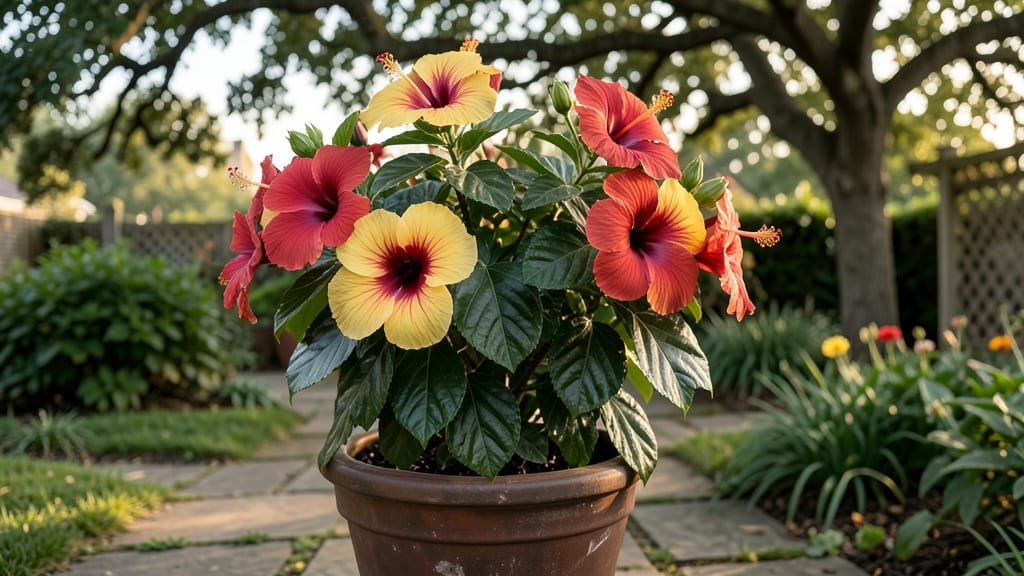
There’s nothing quite like watching your hibiscus 🌸 burst into vibrant blooms—but what if you’re missing the peak flowering season entirely? The secret to year-round color lies in understanding exactly when hibiscus flowers thrive and how to coax extra blooms from your plant.
For most gardeners in USDA Zone 6a, the flowering season kicks off in late spring and stretches through summer, but tropical varieties can bloom nearly year-round with the right care. I’ll show you how to spot the signs of an impending bloom and what triggers those stunning 🌸 displays.
Pruning at the right time can extend your hibiscus’s flowering season by weeks—or even months. Whether you’re dealing with a hardy variety or a tropical showstopper, small adjustments to your maintenance routine make all the difference. Let’s dive into the secrets behind vibrant, long-lasting hibiscus blooms.
From adjusting sunlight exposure to mastering the art of deadheading, you’ll learn 3 simple tricks to keep your hibiscus flowering well past its usual season. Ready to transform your garden into a nonstop floral spectacle? Let’s get started.
When and why hibiscus blooms: seasonal triggers explained
Hibiscus plants are famous for their show-stopping blooms, but their flowering seasons depend heavily on climate and variety.
Whether you're growing tropical hibiscus (like Hibiscus rosa-sinensis) or hardy hibiscus (such as Hibiscus moscheutos), understanding these triggers will help you time your care perfectly for maximum blooms.
The primary flowering seasons for hibiscus typically span from late spring through early fall, with peak blooms occurring during summer months. However, tropical varieties can bloom year-round in warm climates, while hardy types may produce a second flush in fall if conditions are right.
Temperature is the biggest trigger—hibiscus needs warmth between 65°F and 85°F to set buds. Sunlight exposure (6+ hours daily) and humidity levels also play critical roles in encouraging vibrant, continuous blooms.
In USDA Zones 8-11, tropical hibiscus blooms continuously if temperatures stay warm. However, in cooler zones (6-7), these varieties may go dormant in winter and require protection or container growing to survive.
Sunlight is non-negotiable—hibiscus needs 6+ hours of direct sun daily to produce buds. If your plant receives less than 4 hours, it may produce fewer blooms or none at all. Morning sun is ideal, as it prevents afternoon heat stress in hot climates.
Humidity also influences blooming. Tropical hibiscus thrives in humid conditions (60%+), while hardy varieties adapt better to moderate humidity (40-60%). If your area is dry, consider mist spraying or using a pebble tray to boost humidity around your plant.
Watch for bud drop—a common issue when hibiscus receives too much water or sudden temperature shifts. To prevent this, water deeply but infrequently (every 3-5 days) and avoid overhead watering during hot afternoons.
For extended blooming, fertilize with a balanced 10-10-10 formula every 4-6 weeks during the growing season. Phosphorus-rich fertilizers (like 5-10-5) can also boost flower production, especially before the peak blooming months.
In fall, hardy hibiscus may produce a second flush of blooms if days remain warm. Deadhead spent flowers regularly to encourage new buds, and reduce watering as temperatures drop to prepare the plant for dormancy.
With the right conditions, your hibiscus can bloom beautifully for months, turning your garden into a vibrant paradise. 🌸☀️🌿
Your hibiscus plant might be putting all its energy into just one spectacular bloom season—but with the right pruning techniques, you can trick it into flowering for months longer. The key lies in understanding how seasonal pruning influences your plant’s growth cycle. Unlike annuals that bloom once and fade, hibiscus can produce multiple flushes of flowers if you time your cuts correctly. I’ve learned that deadheading isn’t just about tidying up—it’s a crucial signal to your hibiscus that it’s time to produce more buds. When you remove spent blooms, you’re redirecting energy from seed production back into flower formation. For tropical hibiscus varieties, this can mean blooms from spring through fall, while hardy types may reward you with a second flush in late summer if pruned properly. Timing is everything when it comes to hibiscus pruning. I’ve found that late winter or early spring is the ideal time for a major pruning session. This gives your plant plenty of time to recover before the growing season kicks in. For tropical varieties, you can do a light pruning every 6-8 weeks to maintain shape and encourage continuous blooming. Don’t forget about dormant season revival techniques if you live in cooler climates. Even hardy hibiscus can benefit from a winter trim to remove dead growth. This stimulates fresh growth in spring, often resulting in earlier and more abundant blooms. Just be sure to wait until after the last frost date in your area before doing any major pruning. One of my favorite tricks is the "bud flush" technique. After your hibiscus finishes its first major bloom cycle, give it a light trim of about 10-15% of its total height. This sends a signal to the plant that it’s time to produce another set of buds. Combine this with a balanced fertilizer application, and you’ll often see new blooms appearing in just 4-6 weeks. Remember that hibiscus responds best to gradual pruning rather than drastic cuts. Over-pruning can shock your plant and result in fewer blooms. Start with small, strategic cuts and monitor your plant’s response. With practice, you’ll develop an intuition for when your hibiscus needs a little encouragement to keep flowering beyond its usual season. The result? A garden that stays vibrant and colorful for months longer than you ever thought possible. 🌸Pruning hacks to extend hibiscus flowering beyond one season
🌿 5 Pruning Hacks to Extend Your Hibiscus's Flowering Season