
Blooming
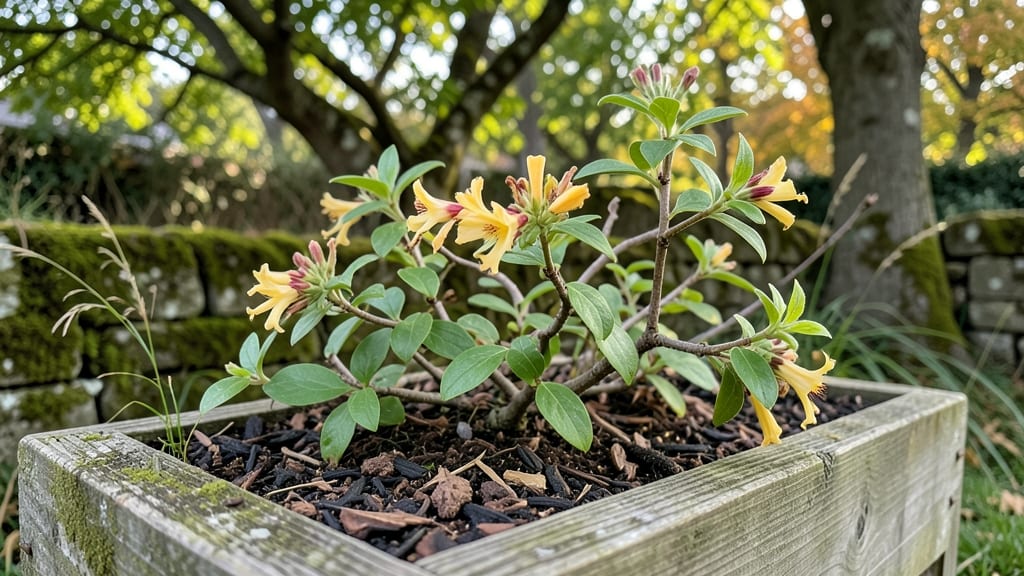
Timing your honeysuckle flowering time could mean the difference between a garden bursting with fragrant blooms and one that misses the sweet, intoxicating scent entirely.
These climbing beauties 🌸 thrive when planted in Zone 6a, where their blooms typically arrive between June and September, but your local climate plays a bigger role than you might think.
If you’ve ever wondered why your neighbor’s honeysuckle vine is already heavy with flowers while yours is still budding, the answer likely lies in your planting window.
When you plant in March or April, you give your vines the best shot at a full, fragrant display—but even the perfect start depends on how you care for them afterward.
Here’s the good news: with the right strategies, you can extend that flowering season well beyond the usual 3-month window.
From choosing repeat-blooming varieties to mastering the art of pruning, I’ll show you exactly how to keep your honeysuckle in peak bloom for as long as possible—no green thumb required.
The secret isn’t just about waiting for the right season; it’s about working with your plant’s natural rhythm. Let’s dive into how to make every season your honeysuckle’s best one yet.
Honeysuckle flowering seasons by USDA climate Zones: when to expect blooms
Honeysuckle vines are nature’s fragrant clock, and their blooming windows shift dramatically depending on where you live.
In USDA Zone 3, where winters are harsh, expect delicate white or pale yellow blooms to appear in late May or early June, while Zone 10 gardeners enjoy a prolonged summer display from March through September.
These differences aren’t just about temperature—they reflect how each zone’s last frost date and seasonal transitions trigger flowering.
The key to predicting blooms lies in understanding your zone’s microclimate patterns. For example, a Zone 5 garden in Minnesota might see flowers in June and July, while a Zone 5 garden in New York could bloom a full month earlier due to warmer springs.
Even within the same zone, elevation and proximity to large bodies of water can shift bloom times by 2-4 weeks.
Not all honeysuckle varieties follow the same schedule. Early-spring bloomers like Lonicera sempervirens (Coral Honeysuckle) often appear in April-May across Zones 4-9, while late-summer varieties such as Lonicera japonica (Japanese Honeysuckle) may not peak until August or September.
Choosing the right variety for your zone can mean the difference between a 3-week display and a 5-month fragrance festival.
If you’re in Zones 3-4, your honeysuckle’s blooming window is tightly linked to soil warmth. Plant in full sun and use black plastic mulch to warm roots early—this can push blooms forward by 2-3 weeks.
In contrast, Zones 9-10 gardeners should focus on shade protection during summer heatwaves, which can stress vines and shorten their display.
For Zone 5-8 growers, the secret to longer blooms lies in late-winter pruning. Cut back 1/3 of old growth in February to encourage new, flower-bearing stems.
This works especially well for repeat-blooming varieties like Lonicera periclymenum ‘Graham Thomas,’ which can produce two distinct bloom cycles in a single season when pruned correctly.
Don’t overlook the impact of humidity and rainfall on bloom timing. In humid climates like the Southeast, honeysuckle may bloom later but produce larger, more fragrant flowers.
Conversely, arid zones like parts of Zone 7b in the Southwest often see earlier blooms as plants rush to reproduce before summer drought sets in.
To maximize your honeysuckle’s fragrance potential, time your fertilization carefully. In Zones 3-6, apply a balanced 10-10-10 fertilizer in early May to fuel spring growth. For Zones 7-10, split fertilizing into March and July to support both early and late-season blooms.
Over-fertilizing can lead to leafy growth at the expense of flowers, so always follow the 1 tbsp per plant rule.
One often-missed factor is how winter chill hours affect blooming. Many honeysuckle varieties require 500-1,000 hours below 45°F to set buds properly. If you’re in Zone 9-10 with mild winters, consider dwarf varieties like *
How to extend honeysuckle flowering time: pruning, variety selection & care tips
If your honeysuckle vine typically blooms for just a few weeks, you’re not alone—most varieties follow a strict seasonal rhythm. But with the right approach, you can transform that 3-month window into a year-round fragrance show.
The key lies in three strategies: pruning techniques, variety selection, and seasonal care adjustments that keep your vine thriving.
First, let’s address the most common misconception: honeysuckle blooms only once per year. While some varieties do, others like Lonicera periclymenum ‘Graham Thomas’ are repeat bloomers, producing flowers in late spring and again in fall. Choosing the right cultivar is your first step toward extending that sweet scent.
🌸 Top 5 Ways to Extend Honeysuckle Blooms
- 1. Prune after flowering – Cut back 1/3 of old growth in late fall or winter to encourage new, fragrant shoots.
- 2. Choose repeat-blooming varieties – Select ‘Graham Thomas’ or ‘Halliana’ for multiple bloom cycles.
- 3. Feed in early spring – Apply balanced fertilizer (10-10-10) when new growth appears.
- 4. Water deeply in summer – 1 inch per week prevents stress that shortens bloom time.
- 5. Protect from pests – Neem oil keeps aphids from sapping energy needed for flowers.
Pruning is where many gardeners go wrong. Most assume cutting back honeysuckle in early spring will boost blooms, but this actually removes next year’s flower buds on many varieties. Instead, wait until after the main bloom cycle—typically late summer or early fall—to prune.
This gives your vine time to set new buds for the following season while keeping existing growth vigorous.
For year-round fragrance, focus on seasonal care tweaks. In spring, mulch heavily to retain moisture and encourage root growth. During summer’s peak heat, provide afternoon shade to prevent wilting, which can cut blooms short.
And in fall, avoid heavy pruning—let the vine focus on storing energy for next year’s flowers.
Another game-changer? Deadheading spent blooms regularly. While honeysuckle isn’t as responsive as annuals, removing faded flowers can redirect the plant’s energy toward new growth and buds.
Pair this with a light fertilizer application every 6 weeks during the growing season, and you’ll see a noticeable difference in both bloom quantity and duration.
Don’t overlook the power of support structures. Honeysuckle vines that climb trellises or arbors receive better air circulation, reducing disease pressure and allowing more energy to go toward flower production.
A simple 6-foot trellis can transform a sprawling vine into a fragrant vertical display that blooms longer and more abundantly.
With these strategies, you’ll turn your honeysuckle from a seasonal highlight into a year-round garden star. Start with one or two techniques this season, and watch how quickly your vine responds—your nose (and neighbors) will thank you! 🌿