
Planting
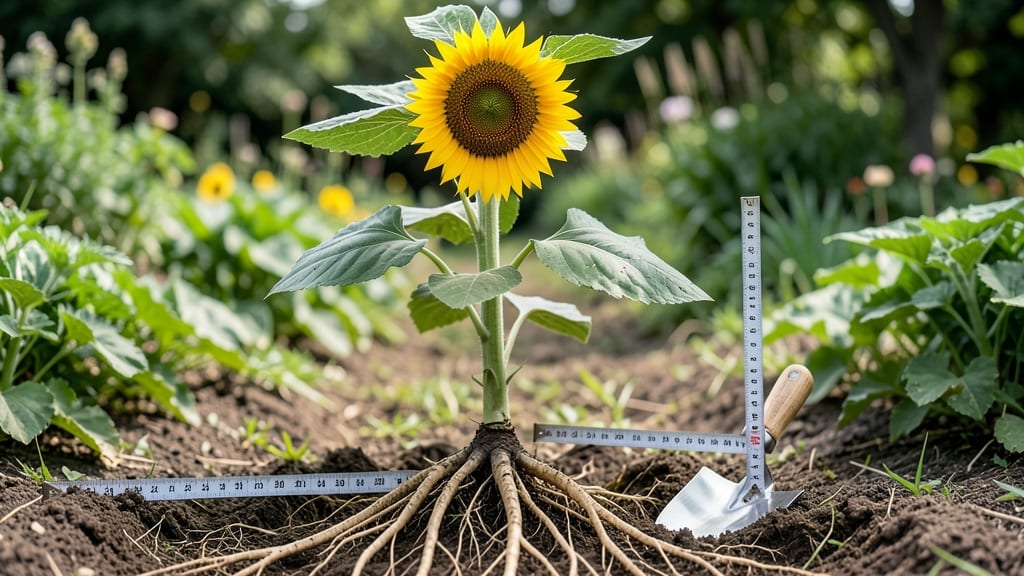
When you picture a sunflower 🌻 standing tall in your garden, you might not think about what’s happening underground—but those roots plunge 3 to 6 feet deep, anchoring the plant like a hidden skyscraper.
Most gardeners underestimate just how far sunflower roots stretch, and that oversight can mean the difference between a sturdy, thriving plant and one that topples in the first strong breeze.
The deeper those roots go, the more stable your sunflower will be, especially in windy conditions or loose soil. But here’s the catch: planting too shallow can stunt their growth, leaving your sunflowers vulnerable.
Whether you’re a beginner or a seasoned gardener, understanding this hidden system is the game-changer for growing sunflowers that reach their full potential.
In this guide, I’ll break down exactly how deep sunflower roots grow, why it matters for your garden, and the easiest ways to encourage those roots to dive deep right from planting. You’ll learn how to set your sunflowers up for success—no guesswork, just science-backed tips that work.
Ready to dig deeper (literally)? Let’s uncover the secrets of sunflower roots so your plants grow stronger, taller, and more resilient than ever before.
Sunflower root depth explained: how deep do they grow?
Sunflowers may steal the spotlight with their towering bright yellow blooms, but their root systems are just as impressive. Beneath those massive stems lies a complex network of roots that can plunge 3 to 6 feet deep into the soil.
This deep reach isn't just for show—it's essential for stability, water access, and nutrient uptake, especially in tall varieties like Mammoth sunflowers. Understanding how deep sunflower roots grow helps you plant, water, and care for them effectively.
The sunflower's root system consists of two main types: the primary taproot and secondary lateral roots. The taproot grows straight down, anchoring the plant and reaching for deep moisture. Meanwhile, lateral roots spread out horizontally, creating a wide network that supports the plant's massive above-ground growth.
This dual system is what allows sunflowers to thrive in drought-prone conditions and windy climates.
Here’s a quick breakdown of how deep different sunflower varieties grow, from dwarf types to towering giants:
The primary taproot is the powerhouse of sunflower root systems, responsible for anchoring the plant and accessing deep water reserves. This root grows rapidly after germination, often reaching 1–2 feet deep within the first week.
As the plant matures, the taproot continues to elongate, sometimes exceeding 6 feet in giant varieties like 'Russian Giant'. This deep penetration is crucial for survival in dry conditions, as it allows the plant to tap into groundwater that shallow-rooted plants can't access.
Secondary lateral roots branch out from the taproot, creating a sprawling network that spreads horizontally. These roots are critical for absorbing nutrients and water from the topsoil.
In well-drained soil, lateral roots can extend 2–3 feet outward, forming a dense web that supports the plant's massive stem and flower head. This horizontal spread also helps stabilize the plant against strong winds, preventing it from toppling over—a common issue with shallowly planted sunflowers.
Soil type plays a huge role in how deep sunflower roots grow. In loose, sandy soil, roots can penetrate easily, reaching their full potential depth. However, in compacted or clay-heavy soil, roots may struggle to grow deep, leading to stunted growth or instability.
Amending your soil with compost or sand can improve root penetration, giving your sunflowers the best chance to develop strong, deep roots.
One of the biggest misconceptions about sunflower roots is that they don’t need deep planting. In reality, planting seeds too shallowly can limit root growth, leaving your sunflowers vulnerable to wind damage. For optimal growth, plant seeds 1 inch deep in loose soil.
This depth allows the taproot to establish quickly while giving lateral roots room to spread. Avoid burying seeds too deeply, as this can delay germination and reduce root development.
Deep roots aren’t just beneficial—they’re essential for long-term sunflower health. Plants with well-developed root systems are more drought-resistant, better able to withstand wind storms, and more efficient at absorbing nutrients.
If you notice your sunflowers leaning or struggling in dry conditions, it may be a sign that their roots aren’t growing as deeply as they should. Adjust your soil preparation or watering habits to encourage deeper root development.
To encourage deeper roots, focus on deep watering rather than frequent shallow watering. This mimics natural rainfall patterns, prompting roots to grow downward in search of moisture. Additionally, avoid over-fertilizing with nitrogen-heavy fertilizers, as this can encourage leafy growth at the expense of root development.
Instead, use a balanced fertilizer like 5-10-10 to support both above-ground and below-ground growth.
Next time you’re planting sunflowers, remember: what you can’t see below the soil is just as important as the stunning blooms above. With the right soil conditions and care, your sunflowers will develop the deep, strong roots they need to thrive—no matter how tall they grow! 🌻
How sunflower root depth affects your garden: stability, water needs, and soil health
Sunflower roots aren’t just deep—they’re architectural marvels that determine how your plants survive storms, droughts, and poor soil. Those 3-to-6-foot roots act like a plant’s own support system, pulling nutrients from deep layers while anchoring the stem against wind.
Without proper depth, even the hardiest sunflower can topple like a skyscraper with weak foundations.
Imagine your garden as a battleground: shallow roots mean your sunflowers are vulnerable to uprooting in strong winds, while deep roots let them sip water from underground reservoirs during dry spells.
The soil itself benefits too—sunflower roots aerate compacted soil as they grow, creating channels for air and water to reach other plants nearby.
But here’s the catch: many gardeners accidentally stunt root growth by planting too shallow or using heavy, clay-rich soil. Without intervention, your sunflowers might struggle to reach their full potential, leaving you with leaning stems or stunted growth.
The good news? Simple adjustments—like deep planting or mulching—can transform your soil into a root-friendly environment.
Planting sunflower seeds less than 1 inch deep forces roots to stay near the surface, where they’re exposed to drought stress and wind damage. Worse, compacted topsoil can strangle young roots before they reach depth.
Even 1–2 inches too shallow can reduce root depth by 30–50%, leaving your plants wobbly and prone to lodging (falling over).
Fix it: Dig a hole 1.5–2 inches deep for seeds, or use a root stimulator to encourage downward growth. For heavy clay soil, mix in sand or compost to break compaction.
Deep roots also mean better drought resistance. While shallow-rooted plants wilt when the topsoil dries out, sunflowers with 6-foot roots can access moisture from lower soil layers.
This is especially critical in summer heatwaves when surface water evaporates quickly. Even in well-watered gardens, deeper roots help sunflowers outcompete weeds for nutrients, giving them a competitive edge.
Don’t overlook the soil health benefits either. As sunflower roots penetrate, they break up compacted soil and create microscopic channels that improve drainage. Over time, this natural aeration boosts microbial activity, making your garden bed richer for future plantings.
For example, after harvesting sunflowers, you’ll often find looser, fluffier soil—a sign their roots did their job.
To maximize these benefits, pair your sunflowers with companion plants like beans or borage. These plants fix nitrogen or attract pollinators, while their shallower roots complement the sunflower’s deep system.
Avoid planting near corn or potatoes, though—they compete for the same nutrients and can stunt each other’s growth. Mulch heavily around the base to insulate roots and retain moisture, especially in hot climates.