
How To
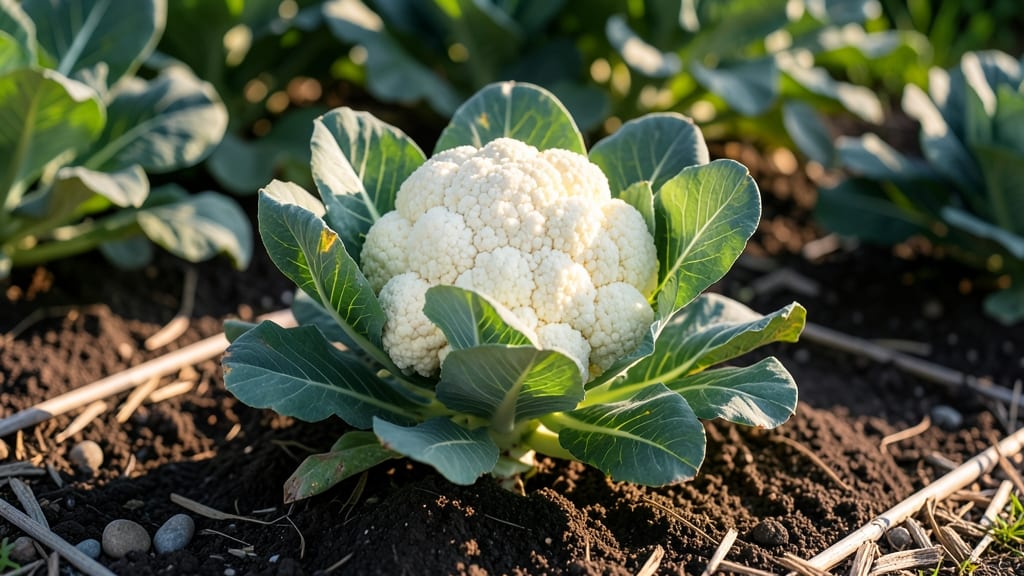
Knowing how do I know when this cauliflower is ready to pick can mean the difference between a tender, flavorful harvest and a tough, bitter disappointment.
That perfect moment arrives when the curds feel firm to the touch and the outer leaves begin to yellow slightly at the edges—missing these cues often leads to overripe heads that split or turn woody.
If you've ever pulled a cauliflower from the garden only to find it too small or already starting to break apart, you're not alone. The key lies in checking three simple indicators: head size, leaf color, and curd firmness.
I'll walk you through each one so you never miss the ideal harvest window again.
Timing matters most in Zone 6a gardens where spring planting means summer harvests. Too much heat or inconsistent watering can throw off your cauliflower's development, making it crucial to monitor these plants closely during their 75-day growth cycle. Let's break down exactly what to look for.
By the end, you'll confidently recognize when your 🥬 cauliflower is ready to pick—no more guesswork, just perfect timing for the best-tasting heads. Ready to learn the exact visual cues and environmental factors that determine harvest readiness?


Signs of perfectly ripe cauliflower: curd tightness and color guide
Knowing exactly when to harvest your cauliflower can be tricky—one wrong move, and you end up with either a bitter, woody head or a tiny, underdeveloped curd. The key lies in checking five visual and tactile cues that signal peak ripeness.
I’ve grown cauliflower for years, and these signs have never failed me. Let’s break down what to look for so you can harvest at the perfect moment.
First, focus on the curd firmness. A ripe cauliflower head should feel solid and compact when gently squeezed. If it gives slightly or feels spongy, it’s not ready yet. Think of it like testing a ripe avocado—just enough resistance to confirm it’s firm but not hard.
This firmness means the curd has reached its ideal sugar and starch balance, making it both tender and flavorful.
Next, examine the color of the curds. Most varieties should be creamy white or pale yellow when fully ripe. If you’re growing a purple or orange variety, look for deep, consistent hues without streaks of green.
Green patches mean the head wasn’t fully shielded from sunlight, which can make the curds bitter. I always check this under the outer leaves where the sunlight doesn’t reach.
Don’t overlook the size of the head. A perfectly ripe cauliflower typically measures 6 to 8 inches in diameter. If it’s smaller than a softball, it’s likely still growing.
Larger heads can become loose and stringy, so timing is everything. For dwarf varieties, aim for 4 to 6 inches—they mature faster but still need the same firmness test.
| Indicator | Ready Signs | Not Ready Signs | Action |
|---|---|---|---|
| Curd Firmness | Firm, compact, resists gentle pressure | Soft, spongy, or loose | Wait 2-3 days |
| Color | Creamy white, pale yellow, or deep variety hue | Green patches or uneven tones | Check sunlight exposure |
| Size | 6-8 inches (dwarf: 4-6 inches) | Smaller than expected | Add fertilizer, wait longer |
| Leaf Condition | Outer leaves yellowing at edges | Leaves fully green and tight | Monitor daily |
| Head Shape | Round, dome-shaped, tightly closed | Flattening or splitting | Harvest immediately |
The outer leaves of your cauliflower plant also tell a story. When ripe, they’ll start to yellow or brown at the edges while the center remains green. This is nature’s way of signaling that the plant is redirecting energy to the curd.
If the leaves are still bright green and tightly wrapped, the head isn’t ready—give it another week. Pro tip: Gently pull back the leaves to peek at the curd without damaging the plant.
Finally, check the head shape. A ripe cauliflower should be round and dome-shaped, almost like a closed umbrella. If the head starts to flatten or split, it’s past its prime.
I’ve seen this happen when plants get too much water or aren’t blanched properly (tying the outer leaves over the curd helps). Always harvest before this stage to avoid woody textures.
One of my biggest mistakes early on was waiting too long because I thought bigger was better. But overripe cauliflower becomes tough and bitter, and the curds can even turn yellow or brown. The best time to harvest is in the morning after a light watering.
This ensures the head is firm and fresh. Use a sharp knife to cut the stem about 1 inch below the curd, leaving the base intact for potential regrowth.
If you’re growing multiple varieties, keep a small notebook nearby to track which plants meet the readiness criteria first. Some varieties, like Romanesco, take longer to mature, while others like Snowball Y improve quickly.
Pay attention to your local climate—cooler temperatures can slow ripening, while hot spells might speed it up. Adjust your expectations accordingly.
Remember, the goal is a firm, compact head
Common mistakes that make cauliflower overripe or Underripe
Even with the right growing conditions, cauliflower can quickly go from perfect to ruined if you miss key signals. The most common mistake is ignoring leaf color changes—when outer leaves turn yellow or brown, it’s often too late.
I’ve seen gardeners harvest heads that were already splitting at the seams because they waited just 2-3 days too long.
Another frequent issue is inconsistent watering, which causes heads to split or develop uneven shapes. Cauliflower needs 1-2 inches of water weekly, but drought stress or sudden soaking can throw off the plant’s development.
Even in Zone 6a, where summers can be unpredictable, maintaining moisture is critical during the 75-day growth cycle.
Overlooking temperature fluctuations is another culprit. If nights dip below 50°F or days exceed 85°F, your cauliflower will struggle to form proper heads. Heat stress often leads to yellowing curds, while cold snaps can stunt growth entirely. These environmental factors are why timing your harvest window matters so much.
🚨
Don’t wait until the head turns yellow! The perfect time is when:
- ✅ Curds are firm and tightly packed (no gaps)
- ✅ Head reaches 6-8 inches in diameter
- ✅ Outer leaves yellow slightly at the edges (not fully brown!)
- 🟡 Yellowing curds → Overripe (bitter, woody)
- 🔄 Loose, spreading curds → Underripe (still developing)
- 💦 Split heads → Watering inconsistency
Poor soil conditions also sabotage harvests. If your soil lacks organic matter or has a pH outside 6.5-6.8, cauliflower heads may stay small or develop poorly. I always amend beds with compost and aged manure before planting to ensure strong root development.
Without proper nutrients, plants can’t support the energy needed for head formation.
One mistake I’ve made (and seen others repeat) is harvesting at the wrong time of day. Cutting cauliflower in the heat of the afternoon can cause stress, leading to premature yellowing.
Always harvest in the early morning when temperatures are cooler. This simple habit makes a surprising difference in head quality and plant recovery.
Finally, neglecting plant health signals like pest damage or disease spots can ruin your harvest. Aphids or cabbage worms, for example, can weaken plants before heads even form.
Regularly inspect leaves and stems, and address issues immediately. A healthy plant is far more likely to produce a firm, compact head ready for harvest.