
Flowers
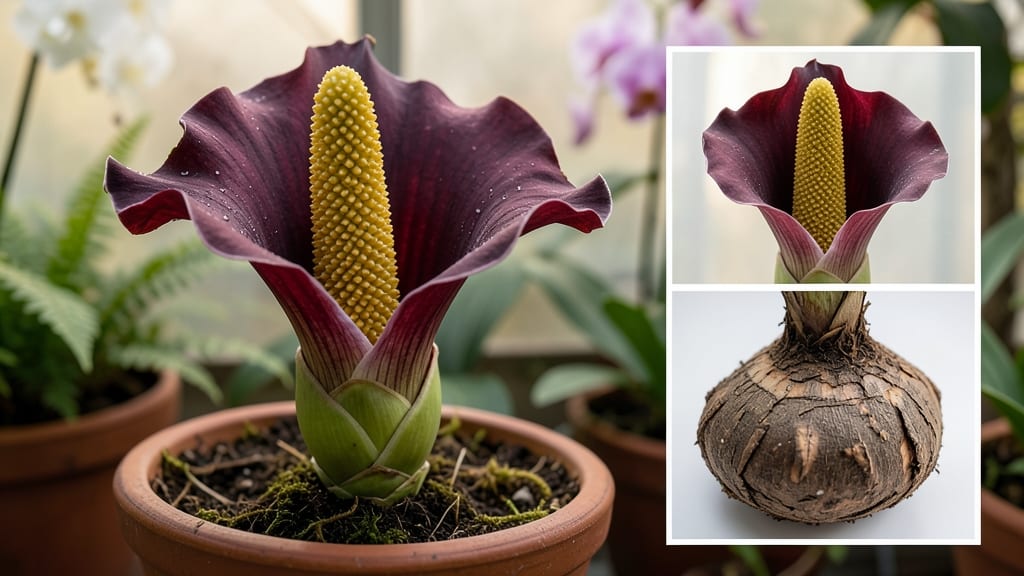
The exact timeline of corpse flower bloom stages and their duration
The corpse flower (Amorphophallus titanum) follows a highly predictable yet brief bloom cycle that lasts only 24-72 hours when fully open. This ultra-short window is the plant’s most dramatic phase, marked by its infamous rotten flesh odor and striking appearance.
Understanding each stage helps you prepare for this rare spectacle, which occurs only once every 7-10 years per plant under ideal conditions.
Before the bloom even appears, the plant undergoes a pre-flowering phase that can last months. You’ll notice the large, glossy leaves wilting and drooping as the plant redirects energy toward the developing flower.
This stage is your first clue that a bloom is imminent—often appearing 3-6 months before the event. Pay close attention to these signs, as they’re your only warning before the show begins.
| Stage | Duration | Key Features | What to Expect |
|---|---|---|---|
| Bud Formation | 3-6 months | Leaves wilt, stem thickens | First sign of bloom; no odor yet |
| Pre-Bloom Swelling | 1-2 weeks | Bud swells rapidly, temperature rises | Stem feels warm; slight sulfur smell |
| Full Bloom (Open) | 24-72 hours | Purple spathe unfurls, strong odor | Peak attraction for pollinators; most dramatic phase |
| Post-Bloom Wilting | 2-5 days | Flower droops, odor fades | Plant conserves energy; new leaves emerge |
| Recovery Phase | 6-12 months | New leaves grow, plant regains strength | No bloom signs; normal care resumes |
The critical 24-72 hour window is when the corpse flower reaches its full bloom, revealing its purple-spotted spathe and emitting the intense, rotting flesh scent that attracts flies for pollination.
This phase is the only time you’ll witness the flower fully open, making it a once-in-a-decade opportunity for most gardeners. During this time, the flower’s temperature can rise 10-15°F above ambient to enhance the odor’s appeal to pollinators.
After the peak, the flower enters its post-bloom wilting phase, lasting 2-5 days. The spathe begins to droop and discolor, while the odor dissipates rapidly. This stage is less dramatic but equally important—it’s when the plant conserves energy for its next growth cycle.
Avoid touching the flower during this phase, as it’s highly sensitive and may damage easily.
Following wilting, the corpse flower enters a recovery phase that can span 6-12 months. During this time, the plant focuses on regrowing leaves and restoring energy reserves.
This is also when you should adjust care routines, such as reducing fertilizer and ensuring bright, indirect light to support new growth. Patience is key—this phase sets the stage for the next potential bloom cycle.
One of the most misunderstood aspects of the corpse flower’s bloom is its frequency. While the actual bloom lasts only a few days, the entire cycle—from bud formation to recovery—can take up to a year.
This is why many gardeners miss the bloom entirely: they focus only on the visible flower and overlook the months-long buildup that precedes it. Tracking the plant’s leaf wilting and stem swelling is your best strategy for predicting the bloom.
If you’re growing a corpse flower, the 24-72 hour bloom window is your only chance to witness its full glory. Plan ahead by monitoring temperature shifts (a sudden 5-10°F rise in the stem is a telltale sign) and preparing your space.
Keep windows open for better airflow and avoid using strong air fresheners—the flower’s scent is overpowering and can linger for days. Document the event with photos or videos, as this experience is rare and unforgettable.
For those who’ve never seen a corpse flower in bloom, the 24-48 hour peak is a bucket-list moment. The combination of its gigantic size (up to 3 feet tall), shocking odor
Why corpse flowers bloom for only 24-48 hours—and what this means for gardeners
The corpse flower's 24-48 hour bloom window isn't random—it's a brilliant evolutionary adaptation. Nature designed this short-lived spectacle to maximize pollination efficiency while conserving the plant's energy. Unlike annuals that bloom for weeks, corpse flowers invest all their energy into a single, high-impact event that attracts pollinators from miles around.
This ultra-short bloom period serves two critical purposes: attracting flies and beetles (their primary pollinators) and preventing energy waste. The flower's rotten flesh scent mimics decaying meat, luring insects that would normally feed on carrion.
Once pollinated, the flower wilts quickly to redirect the plant's resources back to leaf production for next year's bloom cycle.
For gardeners, this means timing is everything. Missing this fleeting window could mean waiting years between blooms—some mature corpse flowers only bloom every 5-10 years under ideal conditions.
The 24-72 hour peak (with full bloom lasting just 24-48 hours) creates immense pressure to be prepared when the time comes.
Critical Bloom Window Alert
Never assume a corpse flower will rebloom soon—its 24-48 hour window is its only chance for decades. The flower's heat spike (up to 90°F) during bloom is a one-time energy burst that can't be replicated artificially. Missing this event means waiting years for another opportunity.
🌱 Pro Tip: Use thermal cameras to monitor the plant's heat signature—a key indicator bloom is imminent.
Understanding this biological strategy helps gardeners create optimal conditions for blooming. The corpse flower's energy conservation means it won't waste resources on multiple blooms—each attempt is a high-stakes gamble.
By providing consistent warmth (70-80°F), high humidity (70%+), and nutrient-rich soil, you maximize the plant's chances of storing enough energy for that once-in-a-lifetime bloom event.
For those attempting to breed corpse flowers, this short bloom window presents unique challenges. The 24-hour pollination window requires precise timing—miss it, and you'll need to wait until next year's (or next decade's) bloom cycle.
Serious breeders use controlled pollination techniques during those critical hours, often working with multiple plants to increase chances of successful cross-pollination.
Even if you never get to breed your own corpse flowers, understanding this bloom cycle makes the experience more rewarding. The fleeting nature of the bloom creates a sense of anticipation and excitement.
When your plant finally decides to flower, you'll know exactly what to expect—and how to make the most of those precious 24-48 hours of spectacle.