
Flowers
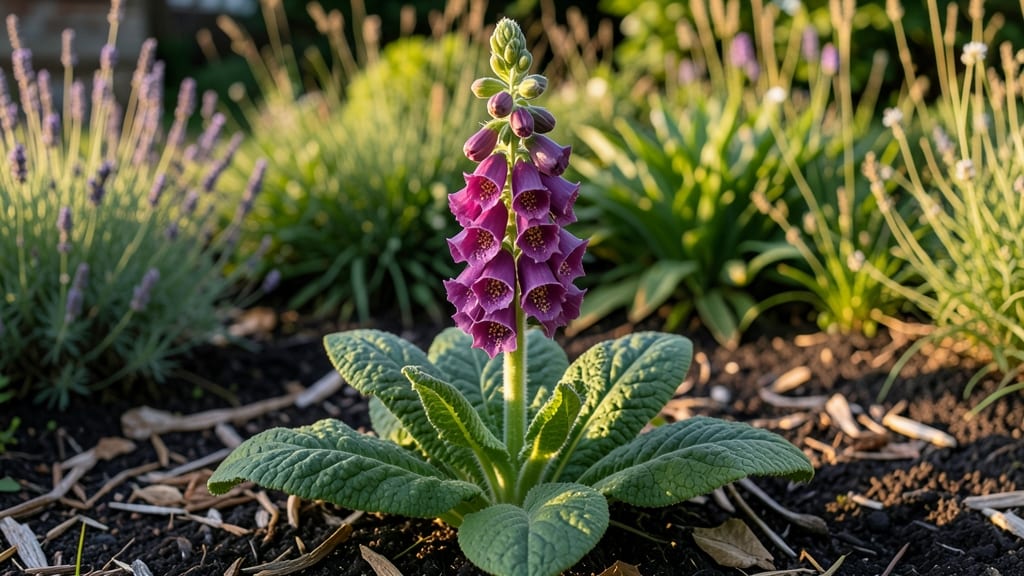
Wondering how long do foxgloves flower? Those dramatic spires can grace your garden for up to 3 months with the right care, turning your summer into a nonstop floral show.
While most varieties like Digitalis purpurea typically flower for 4-8 weeks, some late-blooming types stretch their display well into fall. The key lies in understanding your specific variety and growing conditions, which can either shorten or extend that gorgeous flowering window.
In this guide, I’ll break down exactly how long foxgloves stay in bloom, plus proven tips to make their flowers last even longer. Whether you’re dealing with early summer bloomers or hardy late-season varieties, you’ll learn how to maximize their time in the spotlight.
From deadheading techniques to ideal planting times, we’ll cover everything you need to know to enjoy foxgloves from early summer straight through to frost—without the guesswork.
Foxglove flowering duration by variety: from 4 weeks to 3 months
Foxgloves (Digitalis spp.) are famous for their dramatic vertical blooms, but their flowering duration varies dramatically by variety. While some types bloom for just 4 weeks, others extend their show to 3 months or more.
Understanding these differences helps you create a garden with continuous color from early summer through frost. The key lies in selecting varieties that overlap in bloom times and providing optimal growing conditions.
Most foxgloves are biennials or short-lived perennials, meaning their first year focuses on foliage growth, while the second year produces stunning flower spikes. However, some varieties—especially Digitalis grandiflora—can rebloom if given proper care.
This genetic diversity means you can strategically plant different types to ensure your garden never loses its foxglove charm.
Here’s how to maximize bloom duration by choosing the right varieties and understanding their unique flowering patterns:
| Variety | Bloom Time | Duration | Color Palette | Notes |
|---|---|---|---|---|
| Digitalis purpurea | Mid-June to August | 6-8 weeks | Purple, pink, white, yellow | Classic biennial; early bloomer with longest individual spike duration. |
| Digitalis grandiflora | Late June to September | 8-12 weeks | Yellow, cream, spotted | Perennial tendency; reblooms if deadheaded; late-season performer. |
| Digitalis ambigua | July to October | 10-12 weeks | Deep purple, chocolate | Longest overall bloom; thrives in cooler climates; biennial but self-seeds. |
| Digitalis obscura | August to October | 6-8 weeks | Purple, spotted | Late-season specialist; drought-tolerant once established. |
| Digitalis ferruginea | July to September | 7-9 weeks | Rusty-red, yellow | Heat-tolerant; shorter stature (3-4 ft); biennial. |
Notice how Digitalis ambigua and Digitalis grandiflora extend the season by 4-6 weeks compared to classic purpurea. This overlap is why gardeners often mix varieties—planting early bloomers like purpurea alongside late bloomers like ambigua creates a seamless transition.
For example, a June-to-October display is achievable by combining these three varieties in the same border.
Climate plays a surprising role in bloom duration. In cooler regions (USDA Zones 3-6), foxgloves often bloom 2-3 weeks longer than in hot, humid areas. The Northern U.S. sees Digitalis ambigua flowering until first frost, while Southern gardeners may only get 6-8 weeks of blooms.
To compensate, Southern growers should prioritize shade and consistent moisture to prolong flowering.
Genetics also determine whether a foxglove is a one-time bloomer or a rebloomer. Varieties like Digitalis grandiflora produce multiple flower spikes per stem if you remove faded blooms—a technique called deadheading.
This simple act can add 3-4 extra weeks to their display. Meanwhile, Digitalis purpurea typically blooms once but produces abundant self-seeds for next year’s garden.
Light exposure affects bloom duration too. While foxgloves tolerate partial shade, they produce their longest and most robust spikes with 4-6 hours of morning sun. In full shade, blooms may last 2 weeks shorter and appear less vibrant.
For maximum impact, position them where they receive dappled sunlight—like under tall trees or near north-facing walls.
Soil fertility impacts how quickly foxgloves mature and bloom. Amend your garden with compost-rich soil before planting to ensure strong root development. A balanced fertilizer (5-10
5 Proven tips to extend foxglove blooms beyond their natural season
Foxgloves naturally bloom for 4-8 weeks, but with the right care, you can push that window to 3 months or longer. The secret lies in mimicking their ideal growing conditions and giving them the attention they need at each stage.
Whether you're dealing with Digitalis purpurea or Digitalis grandiflora, these strategies will transform your garden into a continuous floral display.
One of the biggest mistakes gardeners make is assuming foxgloves are low-maintenance. In reality, they thrive with consistent care, especially when it comes to watering and pruning.
Even a small adjustment in your routine can extend their bloom time by several weeks, ensuring your garden stays vibrant well into fall.
5 Ways to Extend Foxglove Blooms
- Deadhead spent blooms weekly to encourage new flowers
- Apply balanced fertilizer in early spring for strong growth
- Water deeply at soil level to avoid fungal issues
- Plant in partial shade to prevent heat stress
- Prune tall stems after flowering to promote bushier growth
Let's start with deadheading, the simplest yet most effective way to extend blooms. Foxgloves produce flowers along their stems, so removing faded blooms redirects the plant's energy toward new growth.
Use clean, sharp pruning shears to snip just above a set of leaves, and repeat this process every 7-10 days throughout the season. This technique can add 3-4 weeks to your foxgloves' flowering period.
Next, focus on soil nutrition, which directly impacts bloom longevity. Foxgloves prefer well-draining, slightly acidic soil with a pH between 6.0 and 7.0. Before planting, amend your soil with compost or aged manure to provide essential nutrients.
In early spring, apply a balanced 5-10-10 fertilizer to encourage robust growth, but avoid over-fertilizing, which can lead to excessive foliage at the expense of flowers.
Watering plays a crucial role in extending foxglove blooms. These plants need consistent moisture, especially during their active growing season from spring to early fall. Water deeply at the base of the plant every 5-7 days, ensuring the soil stays evenly moist but not waterlogged.
Early morning watering prevents fungal diseases like powdery mildew, which can shorten the flowering season. In hotter climates (USDA zones 7-9), provide afternoon shade to protect delicate blooms from heat stress.
Light exposure significantly affects how long foxgloves flower. While they tolerate partial shade, too much shade can reduce blooms, while full sun in hot climates may cause flowers to fade faster. Aim for 4-6 hours of morning sun combined with afternoon shade.
In cooler zones (USDA zones 3-6), they can handle more sun, but always monitor for signs of stress like wilting or yellowing leaves.
Finally, strategic pruning can extend your foxgloves' bloom time. After the main flowering season, cut back tall, spent stems to encourage new growth from the base. This practice not only keeps your garden tidy but also promotes bushier plants that produce more flowers the following year.
For perennial varieties, avoid heavy pruning until late winter to protect emerging buds from frost damage.