
How To
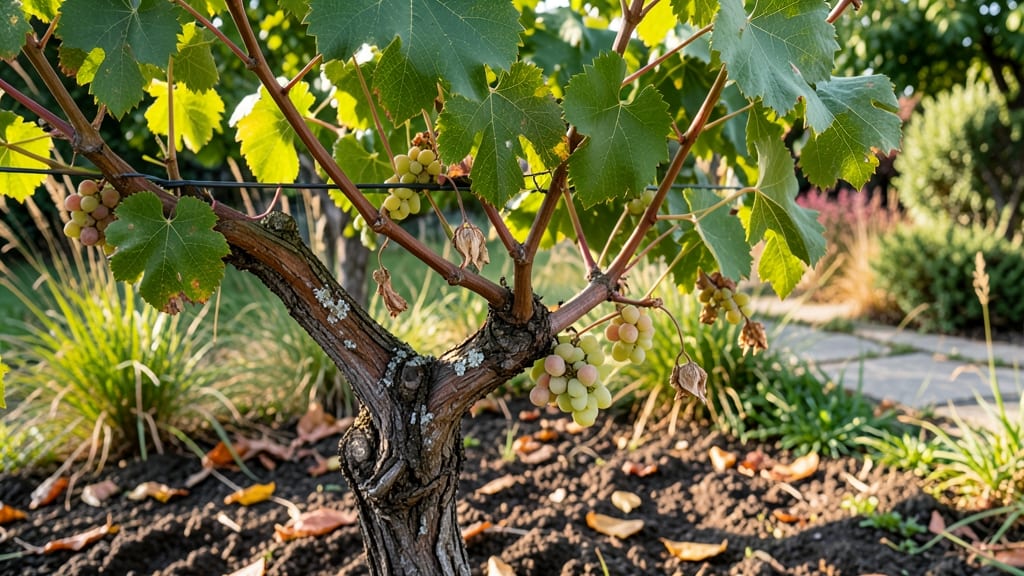
After those delicate grape flowers bloom, you might be wondering how long do grapes take to grow after flowering—the answer isn't one-size-fits-all.
Some varieties ripen in just 8 weeks, while others take nearly 5 months to reach peak flavor, and understanding these timelines is the key to planning your harvest strategy.
What you'll discover is that grape development after flowering follows a predictable pattern, but climate, variety, and care make all the difference.
Whether you're growing sweet table grapes or robust wine varieties, knowing when to expect fruit set, berry swelling, and veraison will help you anticipate your harvest window with confidence.
The most critical factor? Temperature plays a huge role—cooler climates stretch out the growing season, while warm regions can accelerate ripening. I'll walk you through exactly what to watch for at each stage, from the first tiny berries forming to when your grapes are ready to pick.
With the right approach, you can optimize your grapevine's growth and ensure a bountiful harvest. Let's break down the timelines and care tips that will transform those flowers into clusters of perfect, ripe grapes you'll be proud to enjoy.


Grape variety growth timelines: weeks from flowering to harvest
Understanding the grapes growth timeline after flowering helps you plan for harvest and adjust care accordingly. Most grape varieties take between 10 to 16 weeks from flowering to full ripeness, but this varies widely depending on the type.
Early-season varieties like Thompson Seedless may ripen in as little as 10-12 weeks, while late-season types like Cabernet Sauvignon can take up to 16 weeks or longer. Knowing these timelines ensures you’re ready to harvest when the grapes reach peak flavor and sugar content.
For home gardeners, tracking the weeks to grape harvest starts with identifying your grape variety. Table grapes like Concord and Crimson Seedless typically ripen in the mid-range, around 12-14 weeks after flowering.
Wine grapes, including Merlot and Pinot Noir, often require more time, usually 14-16 weeks, to develop the complex flavors needed for fermentation. Meanwhile, muscadine grapes, popular in the southeastern U.S., can take 14-18 weeks to mature fully.
Here’s a quick breakdown of the grape growth stages after flowering: the first 2-4 weeks involve fruit set, where small berries form and begin to swell. The next 4-6 weeks focus on berry enlargement, followed by the final 4-6 weeks of ripening, where color deepens and sugars accumulate.
Each stage requires specific care to ensure healthy development.
If you’re growing Thompson Seedless grapes, expect a faster timeline of 10-12 weeks from flowering to harvest. This variety thrives in warm climates and is ideal for home gardeners in USDA zones 7-11.
To maximize yield, ensure your vines receive full sun exposure and consistent moisture levels during the growing season. Prune aggressively in late winter to encourage new growth and fruit production.
For Cabernet Sauvignon, the longer 15-17 week timeline means you’ll need to plan for a later harvest, often in late September or October.
This variety benefits from a longer growing season, so gardeners in cooler climates may need to use row covers or black plastic mulch to extend the season. Regular canopy management is also critical to prevent disease and improve air circulation.
Muscadine grapes, like the popular Scuppernong, are known for their thick skins and sweet flavor, but they require patience. With a 14-18 week growth period, these grapes are perfect for gardeners in the southeastern U.S. where hot, humid summers are common.
They handle drought better than many other varieties, making them low-maintenance once established. However, they need well-draining soil to prevent root rot.
To optimize the grape ripening process, focus on consistent watering during the first 6 weeks after flowering, when berries are developing. Reduce watering slightly in the final 4-6 weeks to concentrate sugars in the grapes.
Additionally, monitor for pests like Japanese beetles and diseases such as powdery mildew, which can stunt growth or reduce fruit quality.
One of the most critical stages in grape development is veraison, where grapes change color and begin to soften. This typically occurs 6-8 weeks after flowering, signaling that harvest is just around the corner. During this phase, grapes become more susceptible to sunburn and cracking
Factors that speed up or delay grape ripening after flowering
Understanding how long do grapes take to grow after flowering depends heavily on the temperature ranges your vine experiences. Ideal daytime temperatures between 75°F and 90°F accelerate berry development, while cooler nights below 60°F can slow ripening.
In my Zone 7a garden, I've seen Concord grapes ripen 2-3 weeks faster during hot summers compared to cooler years.
Sunlight exposure is another game-changer—grapes need 6-8 hours of direct sun daily for optimal photosynthesis. When I moved my vines to a south-facing trellis last year, my Thompson Seedless grapes ripened 10 days earlier than when they were partially shaded.
Even partial shade can stretch the ripening process by 3-4 weeks.
Watering schedules directly impact growth speed too. Deep, consistent watering every 3-5 days during fruit set prevents stress that delays ripening. I learned this the hard way when drought stress caused my Cabernet Sauvignon grapes to take 6 weeks longer to mature.
Overwatering, however, can lead to berry splitting and uneven ripening.
Soil nutrients play a crucial role in grape development speed. A balanced NPK fertilizer (10-10-10) applied every 4-6 weeks during the growing season provides the energy grapes need to ripen quickly.
Last spring, I added compost and potassium-rich amendments, which helped my grapes reach harvest 2 weeks ahead of schedule.
Factors Affecting Grape Ripening Speed
- Daytime temps 75°F-90°F
- Full sun 6-8 hours
- Consistent deep watering
- Balanced NPK fertilizer
- Proper pruning (open canopy)
- Temps below 60°F at night
- Partial shade <5 hours sun
- Inconsistent watering (drought/overwater)
- Nutrient deficiencies (low potassium)
- Excessive canopy density
💡 Pro Tip: Monitor your grapes' veraison stage (color change) to track ripening progress accurately.
Pruning techniques also influence how quickly grapes mature. Open-canopy pruning improves air circulation and sunlight penetration, which can reduce ripening time by 1-2 weeks.
I now prune my vines in late winter to maintain this structure, and the difference in harvest timing is noticeable compared to my overgrown, unpruned vines from years past.
Finally, pest and disease pressure can significantly delay ripening. Powdery mildew and aphids stress the vine, diverting energy away from fruit development. Using neem oil sprays and row covers has helped me maintain healthy vines that ripen on schedule every year.
By controlling these factors—especially temperature, sunlight, and water—you can adjust your grapevine's ripening timeline to better match your local growing season. The key is consistency and observation, so keep an eye on your vines and adjust as needed!