Flowers
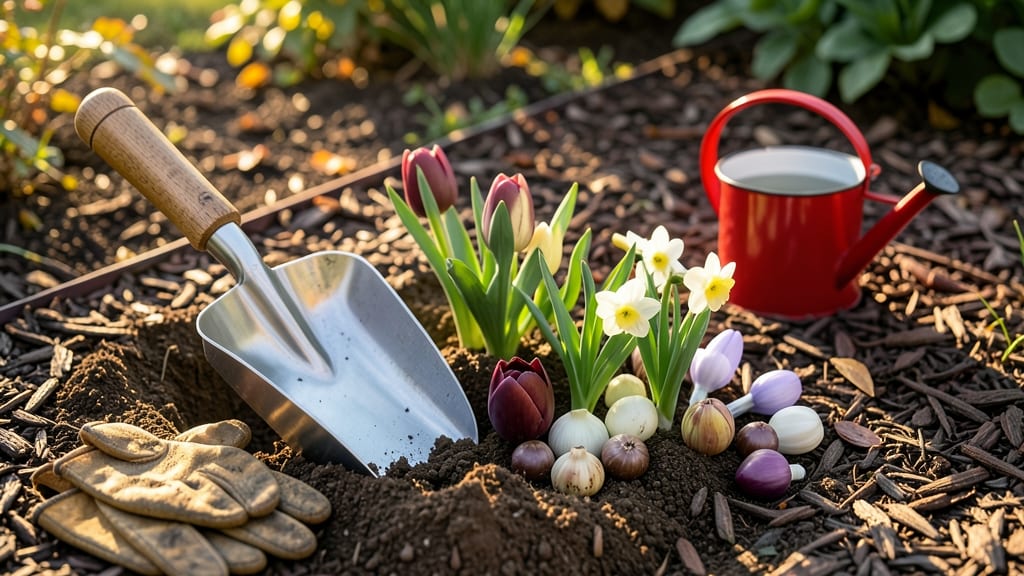
Planting your 🌷 flower bulbs in autumn isn't just about timing—it's the secret to unlocking next spring's showstopper blooms. Skip the guesswork, and you could end up with soggy, frost-bitten bulbs or wasted money. The key? Understanding when soil temperatures drop just right for planting, not just checking the calendar.
Most gardeners in USDA Zone 6a (and beyond) swear by planting 6-8 weeks before first frost, but that window shifts dramatically depending on where you live.
Too early, and your bulbs might sprout before winter sets in; too late, and frost could trap moisture inside, turning your investment into mush. Let's cut through the confusion and pinpoint the exact moment your 🌷 flower bulbs need to hit the soil for maximum success.
Why does autumn planting work so well? Cooler temperatures mean less stress on the bulbs, and the ground stays warm enough to encourage root growth before dormancy kicks in. Plus, you avoid the competition of summer weeds and pests.
I'll walk you through the soil temperature tricks that make all the difference—plus how to adjust for your specific climate, whether you're in the Pacific Northwest or the Deep South.
Ready to turn your garden into a springtime masterpiece? You'll discover the 3 critical factors that separate thriving blooms from failed plantings, plus a foolproof checklist to avoid the most common mistakes. Let's get those 🌷 flower bulbs in the ground the right way—once and for all.
Perfect autumn planting window by soil temperature (not calendar dates)
Forget relying on calendar dates—your 🌷 flower bulbs care most about soil temperature, not the month. The magic window is when soil hits 60°F-70°F, signaling perfect conditions for root growth before winter dormancy.
This range ensures bulbs establish strong roots without sprouting too early. Test your soil with a soil thermometer (insert 4-6 inches deep) to avoid guessing.
Why this range? At 60°F, bulbs start forming roots but stay dormant until frost. Above 70°F, they may sprout prematurely, leaving tender shoots vulnerable to early freezes.
The ideal window typically falls between mid-September and mid-October in most USDA Zones 3-10, but your local microclimate can shift this by weeks.
Here’s the critical rule: Plant when soil is 60°F-70°F and nighttime temperatures consistently drop below 50°F. This balance prevents rot from warm, wet soil while allowing roots to develop.
For example, in Zone 5, this often means late September, while Zone 8 gardeners may wait until early November.
Regional adjustments matter. In colder zones (3-5), aim for 60°F soil by mid-September to beat early frosts. Warmer zones (7-10) can plant later, even into December, as long as soil stays above 55°F. Use a frost calendar for your area to fine-tune timing.
Pro tip: If your soil cools faster than expected, mulch heavily (3-4 inches of straw or leaves) to insulate bulbs. This creates a protective barrier against temperature swings and retains moisture. Avoid organic mulches like grass clippings, which can mat and trap moisture, leading to rot.
For container gardeners, soil temperatures drop faster than in-ground beds. Use heat-retaining pots (like black plastic) or plant in protected microclimates (near south-facing walls). Test soil in containers too—it’s often 5-10°F cooler than ground soil.
Here’s how to test soil temperature accurately: 1. Insert a soil thermometer 4-6 inches deep (bulb planting depth). 2. Check readings at 10 AM (when soil is warmest). 3. Plant when temps are consistently 60°F-70°F for 3-5 days.
Common mistakes to avoid: - Planting when soil is above 70°F (risks early sprouting). - Ignoring nighttime temps (bulbs need cool evenings to stay dormant). - Skipping drainage tests (waterlogged soil = rot).
Once planted, bulbs need 6-8 weeks of chill to bloom. In warmer zones, you may need to chill bulbs artificially (store in a cool, dark place for 8-10 weeks) if soil temps stay too warm. This mimics winter conditions and triggers flowering.
Remember: The earlier you plant in colder zones, the better. In Zone 3, start by late August to ensure roots establish before ground freezes. In Zone 10, you might plant as late as January, but prioritize soil temp over calendar dates.
For early freezes, prioritize drought-tolerant bulbs like daffodils and alliums, which handle cold better than tulips. If frost hits before roots establish, cover bulbs with burlap or frost cloth until soil warms in spring. Never use plastic—it traps moisture and causes rot.
Final tip: Label your bulbs by variety and planting date. This helps track which types need special care (e.g., hyacinths
Regional planting timelines: when to plant flower bulbs by state
Your 🌷 flower bulbs need different timing depending on whether you're in Zone 3 Minnesota or Zone 10 Florida. The Pacific Northwest's mild winters let you plant later, while the Deep South's early freezes demand earlier action.
Even within states, urban heat islands can push planting dates back by weeks compared to rural areas.
Container gardeners have extra flexibility—just ensure pots have drainage holes and use lightweight soil mixes. For in-ground planting, aim for 60°F-70°F soil temps (test with a soil thermometer) and adjust for your local frost dates. Below is your state-by-state planting guide, including first frost dates and microclimate adjustments.
In urban areas, concrete and pavement create microclimates that stay 5-10°F warmer than rural zones. This means bulbs may need planting 2-3 weeks later than surrounding countryside. For example, Chicago's city center might align with Zone 7 timing, while suburbs follow Zone 5 schedules.
For container gardening, choose pots with drainage holes and a minimum depth of 12 inches to accommodate bulb roots. Add a layer of gravel at the bottom, then use a lightweight potting mix (like 60% compost, 30% perlite, 10% vermiculite).
Place containers in protected locations like against south-facing walls to extend the growing season.
Pro tip: If you're unsure about your local frost dates, check the National Weather Service or use the USDA Plant Hardiness Zone Map. For late bloomers like dahlias, wait until soil temps drop below 65°F—they handle cooler conditions better than tulips or hyacinths.
Always plant bulbs 3-4 times as wide as their diameter to prevent crowding.
Remember, soil temperature matters more than calendar dates. Use a soil thermometer to confirm readiness—ideal temps are 60°F-70°F at 6 inches deep. If your soil runs cooler, opt for earlier-blooming varieties like crocus or snowdrops, which thrive in cooler conditions.