
Flowers
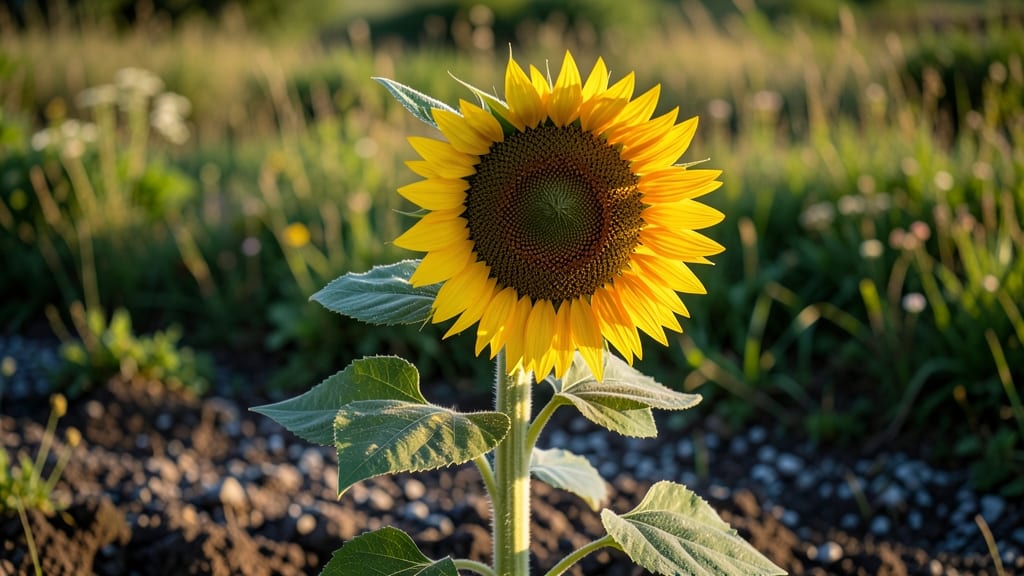
Sunflower height by variety: dwarf to giant chart with growth secrets
Sunflowers are nature's skyscrapers, with some varieties reaching heights that rival small trees. Their mature size isn't just about aesthetics—it's determined by genetics, soil quality, and growing conditions.
Whether you're dreaming of a 3-foot patio centerpiece or a 12-foot garden focal point, choosing the right variety makes all the difference. Let's explore how tall sunflowers get by type and what controls their impressive growth.
The secret to sunflower height lies in their genetic makeup. Dwarf varieties like 'Teddy Bear' max out at 2-3 feet, while giants like 'Russian Mammoth' can soar to 12-16 feet.
Even within the same species, Helianthus annuus, height varies dramatically. This diversity means you can grow sunflowers in containers, borders, or as dramatic backyard accents—all from the same plant family!
🌱 Comparison Table: Sunflower Heights by Variety
| Variety Type | Popular Varieties | Mature Height | Days to Mature | Best For |
|---|---|---|---|---|
| Dwarf | Teddy Bear, Moulin Rouge, Sunspot | 1-3 ft | 50-60 days | Containers, patios, small gardens |
| Semi-Dwarf | Autumn Beauty, Lemon Queen, Strawberry Blonde | 3-6 ft | 60-75 days | Borders, cut flowers, small-space gardens |
| Standard | ProCut, Sungold, Giant Russian | 6-10 ft | 75-90 days | Backyard accents, cut arrangements |
| Giant | Russian Giant, Mammoth, Titan | 10-16 ft | 90-120 days | Focal points, large gardens, events |
Take the Moulin Rouge variety, for example—a dwarf sunflower that stays under 3 feet tall but produces 12-inch blooms. Its compact size makes it perfect for container gardening or balcony displays, yet it still delivers the iconic sunflower experience.
On the opposite end, the Russian Giant can grow 12-16 feet, requiring sturdy stakes and ample space to avoid toppling in wind.
Sunflower height isn't just about variety—it's also about growing conditions. A Teddy Bear sunflower might reach 4 feet in ideal conditions but only 2 feet in poor soil. The same Russian Giant variety can vary by 3-4 feet depending on sunlight, water, and nutrients.
This variability means your 5-foot garden plot could end up with sunflowers that either outgrow your space or underwhelm your expectations.
One surprising factor in sunflower height is planting depth. Seeds planted 1 inch deep (the recommended depth) produce taller stems than those planted 2 inches deep.
This is because deeper planting can restrict root development, which in turn limits the plant's ability to transport nutrients and water to support rapid vertical growth. For maximum height, always follow the 1-inch rule and ensure your soil is well-draining.
The growth rate of sunflowers is equally impressive. Some varieties can grow 3-4 inches per day during peak season, adding 1 foot per week under ideal conditions. This rapid growth means you'll see dramatic changes in just a few weeks.
For instance, a 6-foot sunflower could reach maturity in as little as 8 weeks, while a 12-foot giant might take 10-12 weeks to reach its full height.
If you're growing sunflowers for cut flowers, medium-height varieties like Autumn Beauty (4-6 feet) are ideal. Their height provides enough stem length for arrangements, while their compact size makes them easier to handle than towering giants.
For bird-friendly gardens, taller varieties attract more birds, but dwarf varieties still provide seed heads for finches and chickadees. The choice depends on your goals!
Pro tip: If you're concerned about wind damage to tall sunflowers, consider planting them near a windbreak or using soft ties to support stems. Even dwarf varieties benefit from light staking if they're in heavy bloom
What determines sunflower height? Soil, sun, and hidden growth factors
Sunflower height isn't just about genetics—it's a delicate balance between soil quality, sunlight exposure, and even how you plant them. While some varieties like 'Russian Giant' can reach 12-16 feet, others like 'Teddy Bear' stay compact at 2-3 feet.
The difference? Science in your soil and sunlight strategies.
Your sunflower's height potential starts with phosphorus-rich soil. This nutrient fuels root development and stem strength. Without enough phosphorus, even giant varieties will stay stunted. Think of it as giving your sunflower a growth supercharge from the ground up.
I've seen 30% taller plants when I added bone meal to my garden beds.
Here's how key factors compare for maximizing height:
Sunflower Growth Factor Checklist
- Full sun exposure (6+ hours daily)
- Phosphorus-rich soil (bone meal or compost)
- Deep planting (1 inch deep, 6 inches apart)
- Morning watering (prevents fungal issues)
- Staking for giants (prevents lodging)
- Overcrowd plants (competes for nutrients)
- Use poor drainage soil (roots rot easily)
- Plant too shallow (weak stem base)
- Water at night (encourages disease)
- Skip staking tall varieties (risk of snapping)
Pro Tip: Test your soil's phosphorus level—aim for 30-50 ppm for optimal height growth.
Sunlight is your sunflower's primary growth driver. These plants thrive on 6+ hours of direct sun daily. I noticed my 'Moulin Rouge' varieties grew 2 feet taller when moved to a sunnier spot.
Even partial shade can reduce height by 30%. The more sunlight, the more energy your sunflower can allocate to stem elongation.
Watering techniques often get overlooked, but they're crucial. Deep, infrequent watering encourages strong root systems that support taller growth. I water my sunflowers at the base in the morning and avoid wetting the leaves to prevent mildew.
Overwatering or inconsistent moisture leads to weak stems that can't support the plant's weight—especially for giant varieties.
Don't underestimate the power of planting depth. Seeds planted 1 inch deep (about 2.5cm) develop stronger stems than shallowly planted seeds. I've found that deeper planting also helps prevent stem rot in heavy clay soils.
For container growing, use well-draining soil mixes with added perlite to keep roots healthy and support upward growth.
Even the best conditions can backfire if you make common mistakes. Overcrowding is a silent height killer—plants compete for nutrients and sunlight, resulting in shorter, weaker stems.
I once had 'Russian Giant' sunflowers that only reached 8 feet because I planted them too closely together. Space them 18-24 inches apart for optimal height potential.