
Flowers
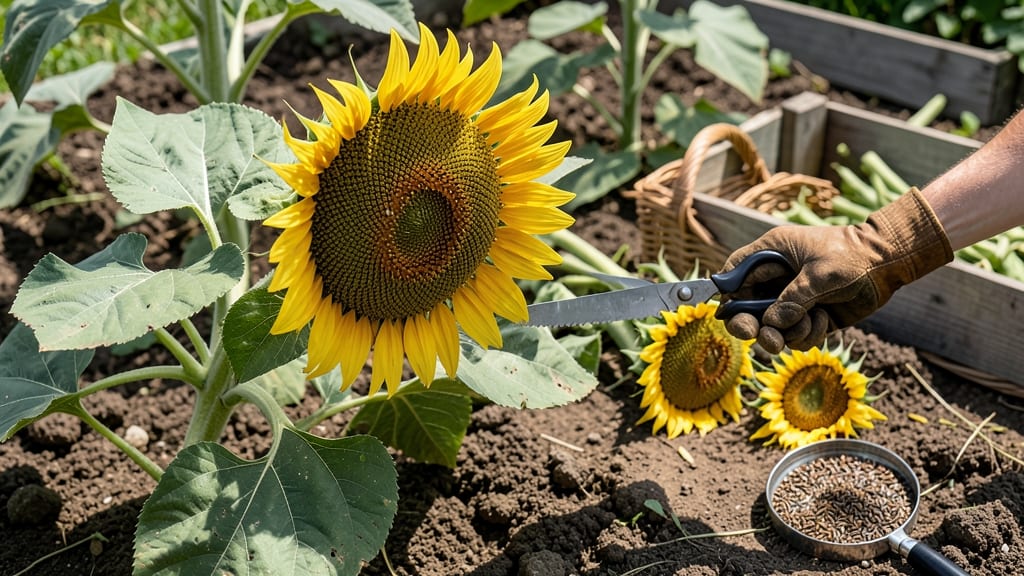
Timing the harvest of your sunflowers 🌻 wrong can mean bitter seeds or wilted blooms—so knowing exactly when to harvest sunflowers makes all the difference. Whether you're growing them for seeds, fresh flowers, or both, getting the timing right ensures the best flavor, texture, and shelf life.
Most gardeners wait until the back of the seed head turns yellow and the petals start to droop, but there’s more to it than just watching the color change.
I’ll break down the three key visual cues that tell you your sunflowers are ready, plus how to adjust for your local climate—because a July harvest in Zone 6a isn’t the same as waiting until September in warmer areas.
Harvesting too early means underdeveloped seeds, while waiting too long can lead to cracked heads or birds stealing your crop. The good news? With the right techniques, you can extend the life of your sunflowers and even salvage seeds if you miss the perfect window.
Let’s dive into how to spot those signs and avoid common mistakes that ruin your yield.
From cutting at the right angle to storing your harvest properly, I’ll cover everything you need to know to get the perfect sunflower—whether you’re saving seeds for next year or arranging them in a vase. Ready to turn your garden into a sunflower powerhouse?


3 Visual signs your sunflowers are ready for harvest (with exact timing)
Harvesting sunflowers at the right moment makes all the difference between sweet, nutritious seeds and bitter, wasted blooms. The key lies in understanding three visual cues that signal perfect maturity—whether you're harvesting for seeds, fresh flowers, or both.
These signs work for all sunflower varieties, from towering giants to petite confectionary types, but the timing can shift slightly based on your climate and variety.
First, let's clarify the ideal harvest window: Most sunflowers reach maturity between 70 to 120 days after planting, depending on the variety. However, relying solely on days isn't foolproof—environmental factors like temperature swings or drought stress can accelerate or delay ripening. That's why visual cues are your best guide.
Here’s what to watch for, broken down into simple, actionable steps that even beginner gardeners can master:
- 1 Petals Turn Brown and Droop: The most obvious sign is when the bright yellow petals fade to brown and begin to wilt downward. This indicates the plant has redirected its energy from blooming to seed production. For cut flowers, harvest at this stage to preserve their freshness. For seeds, wait a few more days.
- 2 Seed Head Turns Yellow and Feels Dry: The back of the seed head (the green, spiky center) should turn from green to golden yellow. At this point, the head should feel dry and papery to the touch, not moist or rubbery. Gently squeeze the head—if it rattles with seeds, it’s ready for harvest.
- 3 Seeds Darken and Pull Away Easily: If you open a seed head, the seeds should be dark brown or black (for oilseed varieties) or white or striped (for confectionary types). They should detach easily from the head when gently pulled. If seeds are still light-colored or sticky, wait 3–5 more days.
Timing matters differently based on your goal. For fresh flower arrangements, harvest when the petals are fully brown but still upright—this preserves their shape and color.
For seed harvesting, wait until the seed head is fully yellow and dry, as described above. Overripe seeds lose flavor and may sprout prematurely, while underripe seeds stay bitter and unpalatable.
Environmental factors can throw off your timing. In hot, dry climates, sunflowers may mature faster due to accelerated seed development. Conversely, cool, wet summers can delay ripening, so monitor your plants closely.
If you notice mold or cracks in the seed head, harvest immediately—this signals overripeness or fungal issues.
Pro tip: Use a sharp pruning shears to cut the stem about 6 inches below the seed head. This prevents the head from touching the ground, which can introduce mold.
Hang harvested heads in a dry, well-ventilated space (like a garage or shed) for 2–4 weeks to fully dry before shelling seeds.
One common mistake is harvesting seeds too early, which results in low oil content and poor flavor. Conversely, waiting too long can lead to seed shattering—when seeds fall out of the head before you can collect them.
Pay attention to these visual cues and adjust your timing based on your sunflower’s growth rate.
For confectionary varieties like 'Autumn Beauty' or 'Moulin Rouge', harvest seeds when they’re fully mature but still white or striped—they’re sweeter when fresh. For oilseed varieties like 'Mammoth' or 'Russian Giant', wait until seeds are dark and fully dry for maximum oil yield.
Now that you know the signs, mark your calendar for July through September—the peak harvest season in most U.S. growing zones. With these visual cues, you’ll never miss the perfect moment to harvest sunflowers again!
Sunflower harvest timeline: seed vs. flower picking (by variety)
Not all sunflowers are created equal when it comes to harvest timing. Oilseed varieties like 'Mammoth' need different care than confectionary types like 'Autumn Beauty', and early bloomers won't wait as long as late-season varieties.
The key difference lies in their maturity windows—oilseed types often take 75-90 days to reach peak seed development, while confectionary varieties mature in 50-70 days but require earlier picking for tender seeds.
Your local climate also shifts these timelines. In cooler zones (USDA 3-5), sunflowers may need 10-14 extra days to mature compared to warmer zones (USDA 7-9). Even within the same variety, a drought-stressed plant might mature faster than one with abundant water.
That's why I always check both the visual cues and my local frost dates when planning harvests.
For oilseed varieties, wait until the back of the seed head turns completely yellow and the petals begin to droop naturally. This usually happens 70-85 days after blooming, but I always test a few seeds by cracking one open—if the kernel is plump and firm, it's ready.
For confectionary types, harvest seeds 10-14 days earlier when they're still tender for roasting or eating fresh.
If you're harvesting for fresh flowers instead of seeds, time it differently. Cut confectionary varieties when the petals are fully open but still vibrant—this gives you 3-5 days of vase life.
For oilseed types, wait until the petals start browning but haven't fully fallen off. This balance ensures both beauty and longevity in your arrangements.
One trick I use for late-season varieties is to mark the blooming date on my calendar. If frost threatens before your sunflowers mature, harvest the seed heads early and hang them upside down in a dry, dark place to finish drying.
This prevents seed loss and still gives you a good yield for next year's planting.
Remember, overripe seeds lose flavor and viability quickly, while underripe seeds won't store well. When in doubt, harvest a few test heads and monitor their progress—your garden will thank you with a bountiful harvest every season. 🌾