
Flowers
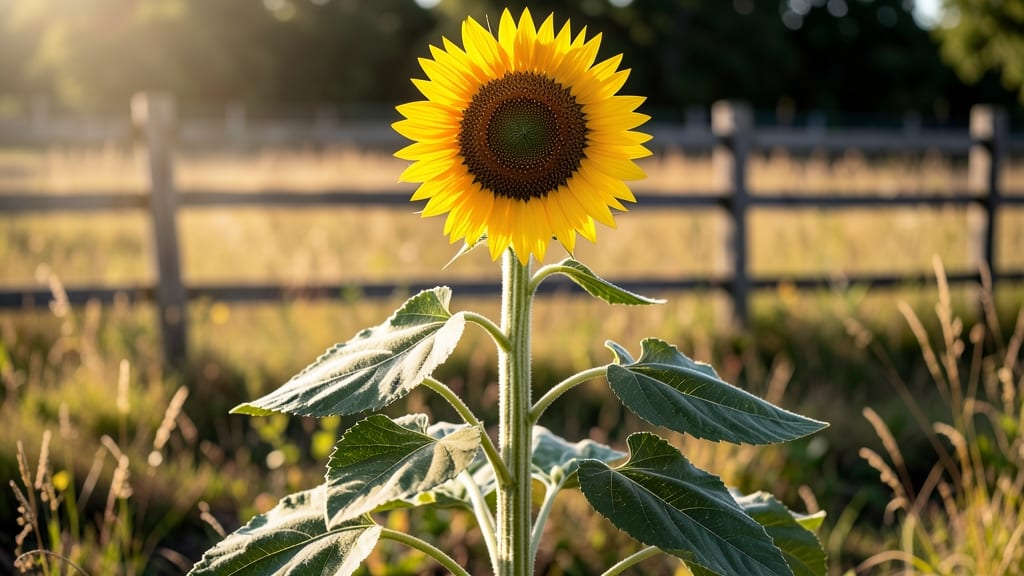
But here’s the catch: their speed depends on a few key factors like soil quality, sunlight, and even the timing of your planting window. Get it right, and you’ll enjoy vibrant blooms by July or August—just in time for peak summer color.
Let’s break down exactly what to expect at each growth stage.
You’ll be amazed at how quickly those 10-to-14-foot stalks shoot up, especially when you give them the ideal conditions. Whether you’re a first-time gardener or a seasoned pro, knowing the right milestones—like sprouting in 7 to 14 days or flowering in 90 days—helps you plan for success.
Ready to grow your own sunflower giants? I’ll walk you through the entire timeline, from seed to bloom, plus the simple tricks to make your Mammoth Sunflowers grow even faster. Let’s get started!


Mammoth sunflower growth timeline: seed to full bloom in 80-110 days
Growing Mammoth sunflowers is like watching a time-lapse of nature’s grandest show—these towering beauties shoot up from tiny seeds to 10- to 14-foot giants in just a few months.
The entire journey from seed to full bloom typically takes 80 to 110 days, but understanding each stage helps you optimize growth and avoid common pitfalls. Whether you're a first-time gardener or a seasoned pro, knowing what to expect at every phase ensures your sunflowers reach their full potential.
From the moment you plant those seeds, your Mammoth sunflower will go through four distinct growth stages: germination, vegetative growth, flowering, and maturity. Each stage has its own timeline, height milestones, and care requirements.
For example, you’ll see the first sprouts in as little as 7 to 14 days, but reaching those iconic 10-foot heights takes dedication to sunlight, soil, and watering routines. Let’s break down exactly what to expect at each phase.
🌱 Quick Sprout: Germination occurs within 7–14 days after planting, provided soil temperatures stay above 55°F. During this stage, seeds absorb moisture and begin developing roots. Keep the soil consistently moist but not soggy, and place seeds in a sunny location with indirect light until sprouts emerge.
🌿 Growth Spurt: The vegetative stage spans 30–50 days, where your sunflower will focus on building its stem and leaves. You’ll notice rapid height increases, especially if your plant receives 6+ hours of direct sunlight daily. This is also when proper staking or support becomes crucial to prevent toppling as stems grow thicker and taller.
| Stage | Timeframe | Height Milestone | Key Care Tips |
|---|---|---|---|
| Germination | 7–14 days | 0–1 inch | Keep soil moist, 60–70°F |
| Vegetative | 30–50 days | 3–8 feet | Full sun, stake at 3 ft |
| Flowering | 50–70 days | 8–12 feet | Water deeply, fertilize lightly |
| Maturity | 80–110 days | 10–14 feet | Harvest seeds, remove dead blooms |
The flowering stage begins around 50 to 70 days and is when your sunflower shifts focus from leafy growth to producing its iconic yellow blooms. You’ll notice buds forming at the top of the stem, eventually opening into 8- to 10-inch-wide flowers.
This phase is critical for pollination, so avoid using pesticides that could harm bees and other pollinators. During this time, ensure your plant receives at least 1 inch of water per week to support the energy demands of blooming.
By 80 to 110 days, your Mammoth sunflower will reach its full maturity, standing proudly at 10 to 14 feet tall. The flower head will fully open, revealing the dark brown seeds at its center.
This is also the time to harvest seeds for next year’s planting or enjoy the stunning display in your garden. If you’re growing sunflowers for cut flowers, harvest them when the petals are fully open but before they start wilting.
Environmental factors like sunlight, soil quality, and temperature play a huge role in how quickly your sunflowers grow. For instance, insufficient sunlight can delay flowering by weeks, while poor soil drainage may stunt root development.
Aim for a well-draining, nutrient-rich soil with a pH between 6.0 and 7.5 and plant in a location that receives full sun for at least 6 hours daily. Consistent moisture is key, especially during dry spells.
One common misconception is that Mammoth sunflowers grow at a steady pace, but their growth can be exponential during the vegetative stage. In ideal conditions, you might see your plant gain 2–3 feet in just two weeks.
To support this rapid growth, consider adding a balanced fertilizer (like 10-10-10) every 4–6 weeks during the growing season. However, avoid over-fertilizing, as this can lead to excessive foliage at the expense of flower production.
If you’re growing Mammoth sunflowers in containers, expect a slightly slower growth rate due to limited root space. Container-grown sunflowers may take 10–15 days longer to reach maturity compared to those planted in the ground. To compensate, choose a <
How to speed up Mammoth sunflower growth naturally (without chemicals)
If you’re eager to watch your Mammoth Sunflowers reach their towering 12-to-14-foot potential faster, the secret lies in giving them the right conditions from day one. These sunflowers are fast growers—but only when they have nutrient-rich soil, consistent moisture, and plenty of sunlight.
The good news? You don’t need chemicals to supercharge their growth. With a few simple, natural tweaks, you can shave weeks off their 80-to-110-day timeline and enjoy blooms earlier than ever.
I’ve grown Mammoth Sunflowers for years, and the difference between a mediocre stalk and a thriving giant often comes down to these three factors: soil prep, watering strategy, and smart fertilization.
Let’s dive into the proven methods I use to help my sunflowers shoot up faster—without relying on synthetic fertilizers or growth hormones.
🌱 5 Proven Ways to Speed Up Mammoth Sunflower Growth
- 🌱 Start with loose, compost-rich soil – Amend your garden bed with aged compost or well-rotted manure before planting. This ensures roots get the oxygen and nutrients they need to grow deep and fast.
- ☀️ Plant in full sun (6+ hours daily) – Sunflowers crave sunlight. A spot with direct morning sun and afternoon shade (if hot) helps them grow taller without stress.
- 💧 Water deeply 2-3 times per week – Keep soil consistently moist (not soggy) during the first 60 days of growth. A drip irrigation system works best to avoid wetting leaves.
- 🌿 Use organic fertilizers like fish emulsion or worm castings – Apply a balanced organic fertilizer (like 5-5-5) every 4-6 weeks to fuel rapid stem and leaf growth.
- 🌻 Plant near tall companion plants – Sunflowers benefit from being near corn or beans, which improve soil nitrogen and provide natural support as they grow.
One of the biggest mistakes gardeners make is overcrowding their sunflowers. Plant seeds 6 inches apart in rows 2 feet apart to give each plant room to stretch.
When roots are competing for nutrients, growth slows dramatically. I’ve seen sunflowers in crowded beds take 20% longer to reach maturity because of this.
Another game-changer is mulching. After planting, spread a 2-inch layer of straw or wood chips around the base of your sunflowers. This keeps soil cool and moist, reduces weeds, and prevents nutrient loss from evaporation.
I’ve noticed my sunflowers grow 1-2 feet taller by mid-summer when I mulch consistently.
Finally, avoid the temptation to over-fertilize with nitrogen. Too much nitrogen leads to leafy growth at the expense of flowers. Instead, focus on a balanced organic fertilizer like compost tea or a low-phosphorus option to encourage strong stems and early blooming.
My fastest-growing sunflowers this year reached 10 feet in just 70 days thanks to this approach!