
Flowers
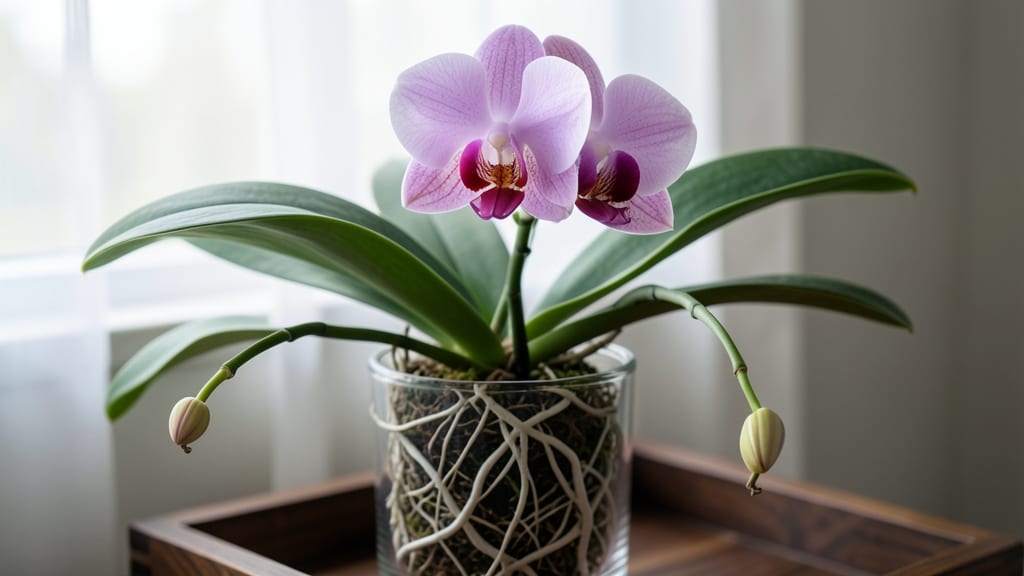
If you’ve ever marveled at a 🌸 orchid’s showstopping blooms only to wonder how long do orchid flowers bloom, you’re not alone. The truth is, orchid flowers bloom for wildly different lengths—some varieties hold their beauty for months, while others wilt in just days.
And the difference often comes down to the type of orchid you’re growing and how you care for it.
Understanding exactly how long your orchid’s flowers will last isn’t just about patience—it’s about setting realistic expectations and knowing when to adjust your care routine.
Whether you’re a seasoned grower or a first-time orchid parent, this guide will break down the bloom timelines for popular varieties like Phalaenopsis, Cattleya, and Dendrobium. You’ll also discover proven tips to extend those stunning flowers by weeks, so you can enjoy their elegance longer.
Let’s dive into what influences bloom duration—from species-specific traits to environmental factors—and how small changes in light, water, and fertilizer can make a huge difference.
By the end, you’ll know exactly what to do after those blooms fade to keep your orchid thriving and ready for its next showstopping display.
Ready to turn your orchid into a long-lasting centerpiece? The secrets to maximizing bloom time are simpler than you think—and they start with knowing your plant’s unique needs.
Orchid bloom duration by variety: exact timelines for popular species
Understanding how long orchid flowers bloom helps you set realistic expectations and care properly for each variety. Some orchids like Phalaenopsis (moth orchids) surprise with 2-3 months of continuous blooms, while others like Paphiopedilum (lady slipper orchids) may only last 4-6 weeks.
The key difference lies in their natural growing habits and environmental needs.
Seasonal variations also play a huge role—spring-blooming varieties often have shorter lifespans than those that flower in cooler fall months. For example, Cattleya orchids typically bloom for 8-12 weeks in late winter, while Dendrobium varieties may produce 3-4 weeks of flowers in early spring.
Let’s break down the exact timelines for popular orchid varieties.
🌸 Pro Tip: The longest-blooming orchids like Phalaenopsis and Cymbidium can be trained to rebloom with proper post-flower care, giving you year-round color if you choose the right varieties.
| Orchid Variety | Avg. Bloom Duration | Reblooming Potential | Best Bloom Season | Care Tip for Longevity |
|---|---|---|---|---|
| Phalaenopsis (Moth Orchid) | 6-12 weeks per spike | Yes (with proper care) | Year-round (indoors) | Remove spent spikes; fertilize with high phosphorus |
| Cattleya | 8-12 weeks | Yes (seasonal) | Late winter/early spring | Provide cool nights (55-60°F) to trigger rebloom |
| Dendrobium | 3-6 weeks | Yes (some varieties) | Early spring | Allow 6-8 weeks of dormancy after blooming |
| Oncidium (Dancing Lady) | 4-8 weeks | Yes (multiple spikes) | Summer/fall | High humidity (60-70%) extends bloom time |
| Cymbidium | 6-10 weeks | Yes (outdoor varieties) | Fall/winter | Plant outdoors in zones 8-11 for extended blooms |
| Paphiopedilum (Lady Slipper) | 4-6 weeks | No (single bloom) | Spring/summer | Keep soil consistently moist but not soggy |
| Vanda | 6-8 weeks | Yes (with bright light) | Year-round (tropical) |
5 Proven care tips to extend orchid flower longevity by 30-50%If you’ve ever watched your orchid’s stunning blooms fade faster than expected, you’re not alone. The good news? With the right care, you can extend those showstopping flowers by weeks or even months. Science shows that small adjustments in light, water, and nutrition directly impact bloom longevity. For example, a Phalaenopsis orchid with proper care can hold its flowers for 2-3 months instead of just 4-6 weeks. Many gardeners unknowingly shorten bloom time through common mistakes like overwatering or exposing plants to direct sunlight. The key is understanding your orchid’s specific needs and creating an environment that mimics its natural habitat. Let’s explore the five science-backed tips that can transform your orchid from a short-lived beauty into a long-lasting centerpiece.
One of the biggest myths about orchid care is that they’re high-maintenance divas. In reality, they thrive on consistency and attention to detail. For instance, I once had a Dendrobium orchid that bloomed for just 10 days—until I adjusted its light exposure and increased humidity. Suddenly, those same flowers lasted 6 weeks! Temperature fluctuations also play a surprising role. Orchids prefer stable temps between 65-80°F during the day and a 10°F drop at night to trigger blooming. Avoid placing them near drafts, heating vents, or air conditioning—these stress the plant and accelerate wilting. A simple thermometer near your orchid can help you monitor conditions. Finally, don’t overlook the power of patience and observation. Pay attention to how your orchid responds to your care routine. If buds drop before opening, it’s often a sign of low humidity or sudden temperature changes. Adjust gradually—orchids reward careful gardeners with longer, more vibrant blooms every time. |