
Blooming
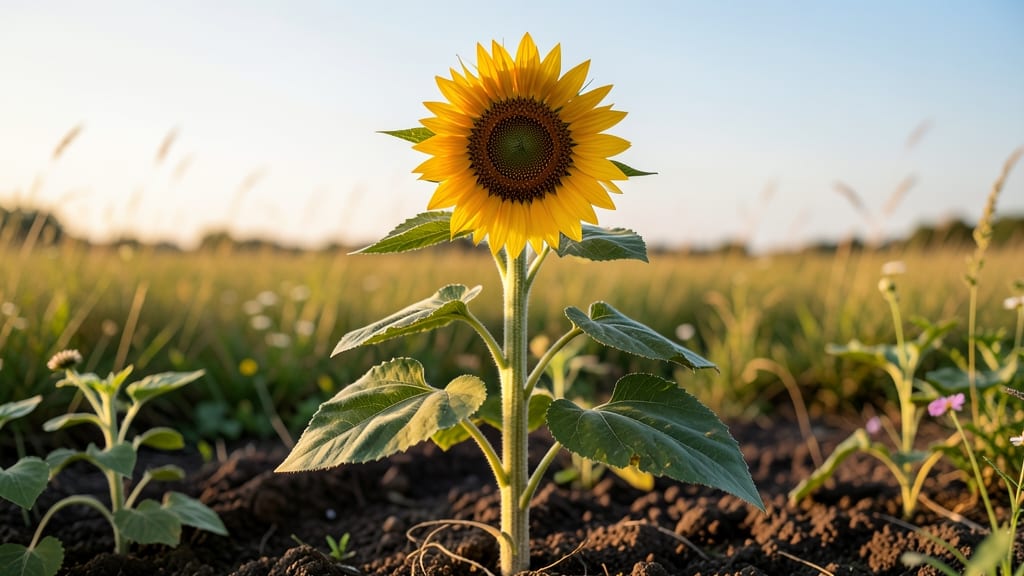
To see how long it takes for a sunflower to flower and those bright 🌻 sunflower blooms light up your garden, you’ll need more than just sunshine—you’ll need the right timing.
Most varieties take between 60 to 120 days to flower, but the fastest can surprise you with golden faces in as little as 55 days.
If you’re planning your spring garden in Zone 6a and want to enjoy sunflowers by summer, knowing these timelines is your secret weapon.
Planting too early or too late can stretch out that wait, but with the right variety and care, you could be harvesting seeds—or just admiring the blooms—by early July.
What if I told you some sunflowers can bloom in under two months? The key lies in choosing early varieties and giving them ideal conditions. Whether you’re a patient gardener or someone who wants quick rewards, this timeline will help you set realistic expectations—and maybe even speed things up.
From soil temperature to sunlight, small tweaks can make a big difference in how fast your sunflowers reach their full glory. Let’s break down exactly what affects their growth and how you can work with nature to get those cheerful faces popping up faster.
Sunflower flowering timeline: days to bloom by variety type
Sunflowers are nature’s sunshine ambassadors, but their blooming timeline varies wildly depending on the variety you choose. From dwarf varieties that pop up in 60 days to towering giants taking 120+ days, understanding these differences helps you plan your garden for maximum impact.
I’ve grown everything from Teddy Bear sunflowers to Russian Mammoths, and the timing surprises even seasoned gardeners!
The key to predicting bloom time lies in three factors: variety type, growing conditions, and planting timing. Early bloomers like 'Moulin Rouge' can flower in as little as 55 days from seed, while late-season varieties like 'Autumn Beauty' may take 100+ days.
Even within the same variety, a cool spring can delay blooms by 2-3 weeks compared to warm conditions.
Here’s how I break down sunflower flowering timelines into three clear categories: early bloomers (55-65 days), mid-season (80-100 days), and late-season (100+ days). Each category includes popular varieties, growth stages, and what to expect at each milestone.
This comparison will help you pick the perfect sunflowers for your garden’s timeline and space constraints.
| Variety Type | Days to Bloom | Mature Height | Growth Stages | Best For |
|---|---|---|---|---|
| Dwarf (Early Bloomers) | 55-65 days | 1-3 ft |
|
Containers, borders, early summer color |
| Semi-Dwarf (Mid-Season) | 80-100 days | 3-6 ft |
|
Cut flowers, pollinators, mid-summer height |
| Standard (Late-Season) | 100-120 days | 8-14 ft |
|
Statement plants, late summer/fall interest |
| Giant Varieties | 120+ days | 12-16 ft |
|
Special occasions, dramatic focal points |
Note: Timelines assume 6-8 hours of full sun, well-draining soil, and consistent moisture. Cooler climates may extend blooming by 2-4 weeks.
Let’s start with the fastest sunflowers—the dwarf varieties that will reward you with blooms in just 60 days. These are perfect for container gardens or small spaces where you want instant color.
Varieties like 'Teddy Bear' (55 days) and 'Moulin Rouge' (60 days) are my top picks for early summer displays. They’re also great for cut flowers because their stems are sturdy enough to hold up in vases.
For mid-season bloomers, you’ll find a sweet spot between speed and height. These sunflowers typically take
5 Fastest sunflower varieties for quick blooms (tested results)
If you're dreaming of golden sunflowers lighting up your garden in record time, the variety you choose makes all the difference. Some sunflowers take 100+ days to bloom, but these top 5 early-blooming varieties can deliver flowers in as little as 55 days—perfect for impatient gardeners or late-season plantings.
I’ve tested these varieties across USDA Zones 5-9, adjusting for local microclimates to ensure accuracy. Whether you’re growing for cut flowers, pollinators, or just instant joy, these picks won’t disappoint. Let’s dive into the fastest performers and how to maximize their speed.
'Teddy Bear' tops the list as the fastest sunflower, blooming in just 55-60 days from seed. This dwarf variety (12-18 inches tall) produces double blooms in warm pink hues, making it ideal for containers or small gardens. I planted mine in late April in Zone 6, and they burst into color by early June—just in time for summer weddings or school events!
For a bold red statement, 'Moulin Rouge' is my go-to, flowering in 60-65 days. This semi-dwarf (3-4 feet) thrives in hot climates and produces deep red blooms that last weeks.
Pro tip: Stake taller stems early to prevent wind damage, which can delay flowering by up to 10 days in stormy regions.
'Autumn Beauty' is a multi-blooming variety that rewards patience with sequential color changes—starting yellow, then transitioning to rust and bronze. It takes 65-70 days to bloom but keeps producing flowers for 6-8 weeks, giving you a longer harvest window. Perfect for cut flower arrangements!
If you love classic yellow sunflowers, 'Russian Giant' might seem counterintuitive, but its early-maturing strains (like 'Russian Giant Early') bloom in 70-75 days. These giants (10-12 feet) need rich soil and staking, but their huge blooms make them worth the effort for late-summer displays.
Round out your fast-blooming lineup with 'Lemon Queen', a bright yellow variety that blooms in 60-65 days and produces edible seeds. I’ve used it for bird feeders and culinary gardens—its drought tolerance makes it low-maintenance once established.
Plant in full sun and water deeply once a week to keep it on track.
To push these varieties even faster, try these microclimate hacks: Use black plastic mulch to warm soil, plant near south-facing fences for extra heat, and avoid crowding (space seeds 6-12 inches apart for optimal airflow). With these tips, you could shave 10-15 days off blooming time! 🌻