
Flowers
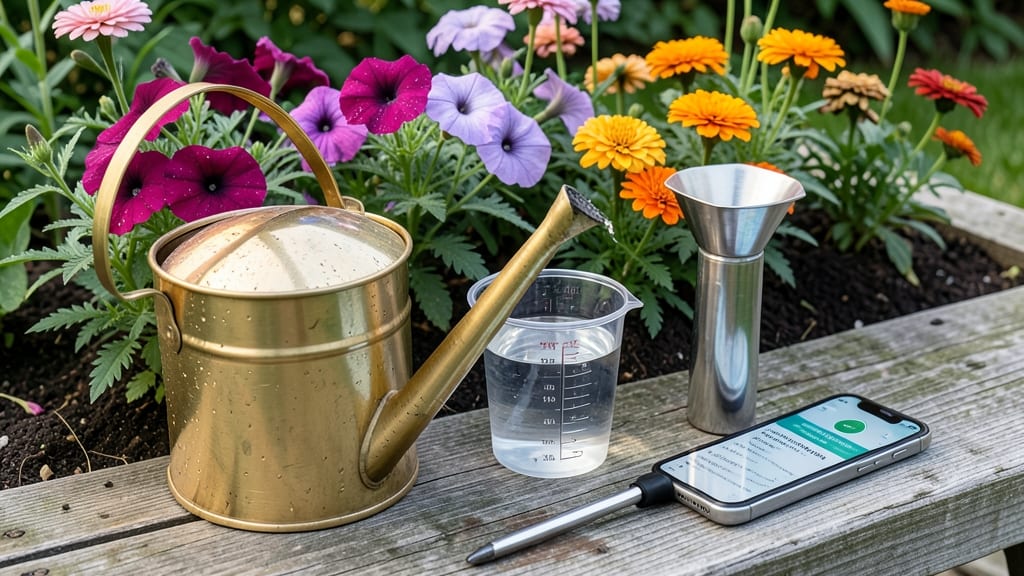
Figuring out how much water do flowers need can feel like guessing—pour too much, and you drown their roots; too little, and they wilt faster than a forgotten houseplant. The truth? Most gardeners overcomplicate it, when the real secret lies in understanding your plants' personalities and the environment they're in.
I’ve watched 🌱 Much thrive in my garden by following a simple rule: deep watering beats frequent shallow sips. But here’s the catch—what works for drought-loving succulents will kill thirsty roses.
That’s why I’m breaking down exactly how often and how much to water, tailored to your flower types and local climate.
You’ll learn the 3 key signs your flowers are begging for water (or screaming for rescue), plus the best times to water so you’re not wasting a drop.
Whether you’re a beginner with a windowsill garden or a seasoned gardener tweaking your routine, these tips will keep your blooms happy all season.
Let’s cut through the guesswork and get your flowers drinking just right—no more wilting, no more soggy soil. Ready to transform your watering game?
Daily and weekly watering requirements for common flowers
Getting the how much water do flowers need question right can make the difference between a garden bursting with color and one that’s struggling to survive. The key is understanding that not all flowers drink the same way—some sip like delicate tea drinkers, while others guzzle like thirsty athletes.
I’ve learned the hard way that overwatering is just as deadly as underwatering, so let’s break it down by flower type and season.
Most flowers fall into two broad categories: drought-tolerant varieties that store water in their leaves and roots, and thirsty bloomers that demand consistent moisture. Even within these groups, water needs shift with the seasons—your roses might need daily drinks in July but can sip lightly in October.
The secret? Checking soil moisture before you water. Stick your finger an inch deep—if it feels dry, it’s time to hydrate.
| Flower Type | Water Frequency | Seasonal Adjustments | Soil Check Method |
|---|---|---|---|
| Drought-Tolerant (Succulents, Lavender, Yarrow) | Every 7-10 days | Reduce winter watering by 50% | Finger test 2" deep |
| Moderate (Roses, Petunias, Marigolds) | Every 3-5 days | Double summer watering | Finger test 1" deep |
| Thirsty (Hydrangeas, Impatiens, Coleus) | Daily (morning) | Increase fall watering for late blooms | Finger test ½" deep |
| Bulbs (Tulips, Daffodils, Hyacinths) | Weekly (spring only) | Stop watering after foliage yellows | Surface dry check |
| Container Flowers (Geraniums, Begonias) | Every 1-2 days | Check daily in summer heat | Lift pot to check weight |
Let’s start with the drought-tolerant flowers like lavender and succulents, which can go weeks without water. These plants store moisture in their thick leaves and stems, so they’re perfect for forgetful gardeners or dry climates.
I’ve seen my sedum thrive with just a weekly sip in summer, while my rosemary barely needs watering in winter. The trick? Let the soil dry completely between waterings—these plants hate soggy roots.
On the other end of the spectrum are thirsty bloomers like hydrangeas and impatiens, which need consistent moisture to produce those showstopping flowers.
I’ve learned that these plants often wilt by afternoon if they’re parched, so I water them deeply in the early morning to give roots time to soak up water before the heat sets in.
A good rule of thumb: if the top inch of soil feels dry, it’s time to water. For these heavy drinkers, mulching with shredded bark helps retain moisture and keeps roots cool.
Seasonal changes can shift your watering schedule dramatically. In summer, I double my watering for most flowers because the heat evaporates moisture faster, while in winter, I cut back to just keeping the soil from drying out completely.
Even drought-tolerant plants need a little extra love during heatwaves. I’ve found that rain gauges help track natural watering—if you get an inch of rain, you can skip your usual watering day for most plants.
One mistake I see often is watering based on a fixed schedule rather than the plant’s actual needs. Instead of setting a timer, I check the soil every few days. For container plants, I lift the pot—if it feels light, it’s time to water.
For in-ground flowers, I use a soil probe or my finger to check moisture levels. This method has saved my begonias from root rot more times than I can count!
Don’t forget that newly planted flowers need extra attention—they’re establishing roots and can’t reach deep water sources yet. I water these babies every other day for the first two weeks, then taper off as they adjust.
Even drought-tolerant plants need this extra care when they’re young. Once established, they’ll reward you with years of low-maintenance beauty.
If you’re still unsure, start with this simple test: water your flowers until the soil is moist 6 inches deep. For most plants, this means watering until you see it draining from the bottom of the pot or the soil around the roots.
This deep watering encourages roots to grow downward, making your flowers more resilient. I’ve seen roses that were struggling become vigorous bloomers after switching to this method.
Remember, the goal isn’t to keep the soil constantly wet—it’s to provide enough moisture so roots can thrive without drowning. With these guidelines, you’ll give your flowers exactly what they need, when they need it, and watch your garden flourish like never before. Happy watering!
Signs your flowers are overwatered or underwatered (and how to fix it)
Even the most experienced gardeners sometimes struggle to tell if their flowers are thirsty or drowning. The key lies in observing leaf color, stem condition, and soil texture.
Overwatered flowers often show yellowing leaves and a musty smell, while underwatered ones droop dramatically and feel crispy to the touch.
I’ve seen roses develop black spots from too much water, while succulents pucker like tiny deflated balloons when parched. The good news? These signs are your garden’s way of communicating—once you learn to listen, fixing the issue is straightforward. Let’s decode the clues your flowers are sending.
For overwatered flowers, start by letting the soil dry out completely before watering again. Gently loosen compacted soil with a fork to improve drainage, and consider adding perlite or sand to heavy clay soils.
If you spot mold or fungus, remove affected leaves immediately and treat with a copper fungicide or baking soda spray (1 tsp per quart of water).
Underwatered flowers need immediate hydration, but don’t drown them in one go. Water deeply until it runs out the drainage holes, then wait 30 minutes to see if the soil absorbs it.
For container plants, soak the pot in a basin of water for 10-15 minutes to ensure roots get a thorough drink. After reviving them, adjust your watering routine to prevent future stress.
Some flowers, like petunias and geraniums, wilt quickly when thirsty but bounce back fast with water. Others, such as orchids and lavender, prefer bone-dry conditions between waterings. Pay attention to your specific plants’ natural habitat—most tropical flowers need consistent moisture, while Mediterranean varieties thrive with drought.
Pro tip: Use a moisture meter or the "squeeze test"—grab a handful of soil; if it crumbles easily, it’s time to water. If it sticks together, wait a few more days.
With practice, you’ll develop an instinct for when your flowers are happy and hydrated versus struggling and stressed. 🌷