
Watering
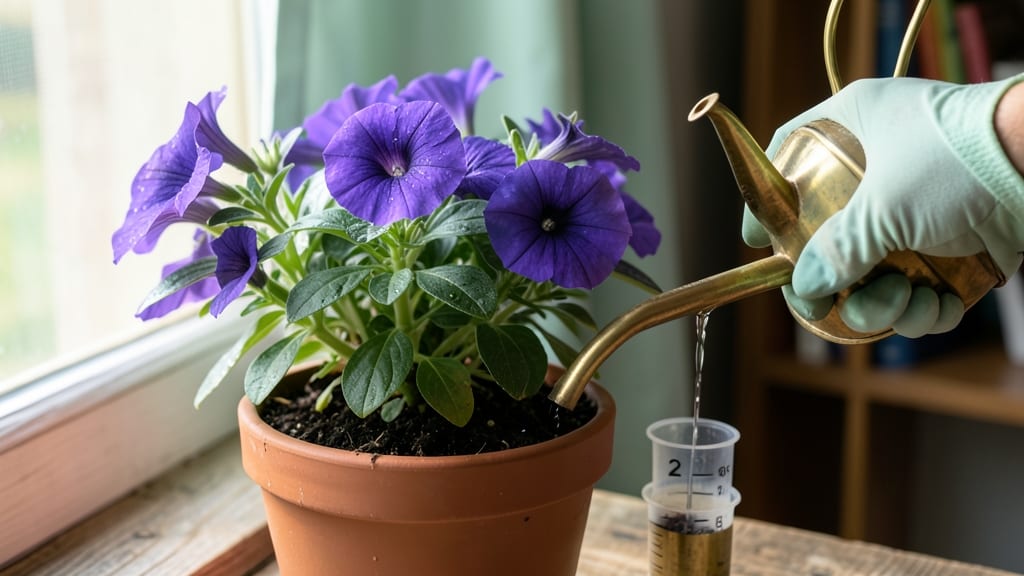
To keep your 🌸 potted flowers thriving, guessing how often to water them is the fastest way to kill them—yet most gardeners do it every time. The truth? A simple soil check test, not a calendar, determines when your plants truly need hydration.
Overwatering drowns roots while underwatering leaves your blooms wilted and sad. I’ll show you exactly how to read your soil’s moisture clues—from finger tests to weight checks—so you never have to play guesswork again.
Whether you’re dealing with thirsty petunias or drought-tolerant succulents, the right watering routine saves time and keeps your plants happy. Let’s break down the science behind it so your 🌸 potted flowers stay lush all season long.
Ready to stop the guessing game? By the end, you’ll know the perfect watering schedule for your specific plants—no more brown leaves or soggy soil.
The exact soil check test to determine when to water potted flowers
Guessing when to water your potted flowers often leads to either soggy roots or parched plants—neither of which thrives. Instead, rely on a simple soil check test that reveals moisture levels with precision.
This method combines finger depth, soil color, and plant signals to create a personalized watering schedule tailored to your flowers' needs.
The key is understanding your plant's water needs by observing three critical factors: how deep the soil stays moist, its color when dry or wet, and the physical condition of your flowers.
For example, a fuchsia wilts dramatically when thirsty, while a succulent shows crispy edges. Mastering this test ensures you water just enough to keep roots happy without drowning them.
Start by gathering your tools: a clean finger, a small trowel, and your potted flowers. The test takes less than 30 seconds per pot and eliminates the guesswork.
Below, I’ll walk you through each step, including what to look for in dry soil versus moist soil, and how to adjust based on your plant type.
Gently push your finger 1-2 inches into the soil. This depth mimics where most plant roots absorb water. If the soil feels dry at this level, it’s time to water.
Wet soil is dark brown or black, while dry soil appears light tan or grayish. For peat-based mixes, wet soil may look darker but still crumbly.
Lift the pot slightly. Heavy soil means it’s moist; light soil needs water. Clay pots retain moisture longer than terracotta, so adjust your schedule accordingly.
Look for wilted leaves, dry soil cracks, or drooping stems. Succulents may pucker, while ferns turn crispy at the edges. These are clear signals to water immediately.
Water thoroughly until water runs out the drainage holes. This ensures roots get a deep drink without sitting in soggy conditions. Empty the saucer afterward to prevent root rot.
In summer heat, small pots may need daily checks, while large containers can go 5-7 days. In winter, reduce watering by half since growth slows.
For succulents and cacti, let the soil dry completely between waterings—often every 2-3 weeks. Meanwhile, tropical flowers like orchids or ferns prefer consistently moist soil, needing water every 3-5 days. The soil check test adapts to these extremes, so always combine it with your plant’s specific needs.
Pro tip: Keep a watering journal to track how often your flowers need hydration. Note the pot size, sunlight exposure, and any changes in your home’s humidity. Over time, you’ll recognize patterns—like how your petunias wilt faster in direct sun or how your bromeliads thrive with weekly misting.
If your soil feels clumpy or repels water, it may be hydrophobic—a common issue with peat-based mixes. To fix it, add a handful of perlite or coconut coir to improve drainage.
This small adjustment can prevent water from pooling at the roots, which is a silent killer for potted flowers.
Remember, the goal isn’t to water on a strict schedule but to respond to your plant’s current state. A soil check test turns watering from a chore into an interactive conversation with your flowers.
When you tune into these signals, your potted garden will reward you with vibrant blooms and lush foliage all season long.
Start today by testing one pot—you’ll be amazed at how much more confident (and successful) you feel about caring for your potted flowers. Happy gardening! 🌸
Watering frequency chart for common potted flowers by season and pot size
Now that you’ve mastered the soil check test, let’s turn that knowledge into a seasonal watering schedule tailored to your potted flowers. The right frequency depends on three key factors: plant type, pot size, and seasonal conditions.
For example, a succulent in a small terracotta pot needs far less water than a petunia in a large clay container during summer.
Below is my data-driven chart for popular potted flowers, adjusted for summer vs. winter and small vs. large pots. Use this as your starting point, then fine-tune based on your home’s humidity and sunlight. Remember: drainage holes are non-negotiable—no exceptions!
Winter: Every 7-10 days
Winter: Every 10-14 days
Winter: Every 14-21 days
Winter: Every 7-10 days
Winter: Every 10-14 days
Winter: Every 14-21 days
Winter: Every 3-4 weeks
Winter: Every 4-6 weeks
Winter: Every 6-8 weeks
Winter: Every 10-14 days
Winter: Every 14-21 days
Winter: Every 21-28 days
For indoor potted flowers, reduce watering by 20-30% since indoor air is typically drier. Place a humidity tray under pots to mimic outdoor conditions. In contrast, outdoor pots exposed to wind or direct sun may need 10-20% more water due to evaporation.
Pro tip: Group plants with similar water needs together on your patio or windowsill. This makes watering more efficient and reduces the risk of over- or under-watering. For example, pair your petunias with impatiens (both thirsty) and keep them separate from sedum (drought-tolerant).
Adjust your schedule if you notice yellowing leaves (overwatering) or crispy edges (underwatering). These are your plants’ way of saying, “I need help!” Trust the soil check test over the chart—it’s your plant’s real-time feedback system.
With this data-driven approach, your potted flowers will thrive year-round, no matter the season or pot size.
Start by testing one pot this week using the chart as your guide. You’ll quickly see how your flowers respond—and soon, watering will feel like second nature. Happy gardening! 🌸