
Watering
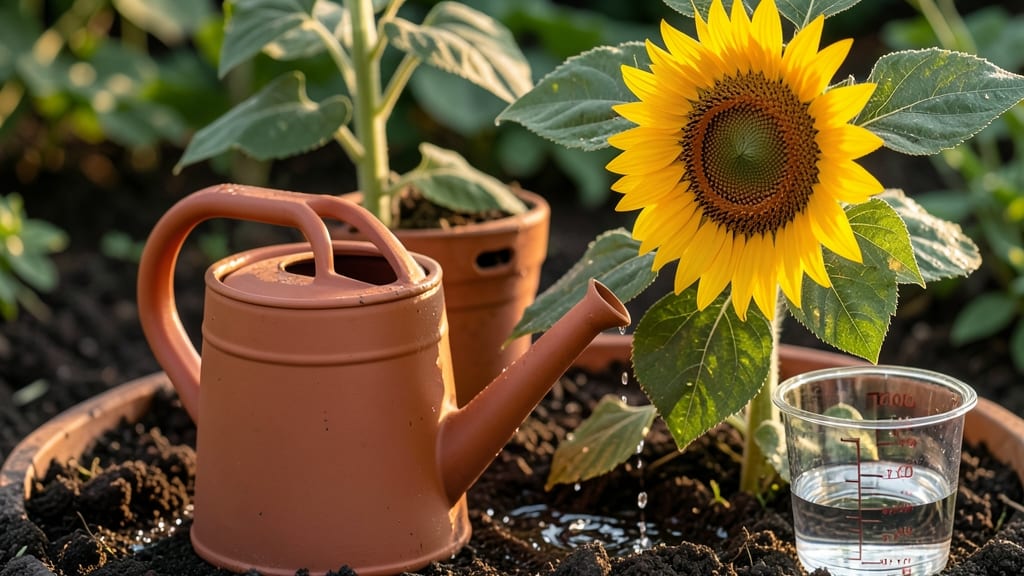
Knowing how often to water sunflowers in pots wrong can mean the difference between a towering, vibrant plant and a sad, drooping mess. Too much or too little water throws off their growth, and figuring out the perfect schedule saves you from guesswork—and disappointment.
I’ve learned the hard way that sunflowers in containers need a consistent approach, especially when the weather shifts. The key isn’t just how often you water but how deep and when—morning watering keeps roots happy, while evening sessions invite fungal trouble.
Let’s break down the exact routine your sunflowers crave to stay lush and strong.
Most gardeners overcomplicate it, but the secret is simple: check the soil. Stick your finger an inch deep—if it’s dry, it’s time to water. Smaller pots dry out faster, while larger ones hold moisture longer.
We’ll cover how to adjust for your pot size, climate, and even the sunflower variety you’re growing.
By the end, you’ll know exactly when to reach for the watering can (or skip it) to keep your sunflowers thriving all season. No more wilting blooms or soggy soil—just happy, healthy plants that reward your effort with stunning height and color.
The ideal watering schedule for potted sunflowers based on soil dryness
Sunflowers in containers need consistent moisture to reach their towering potential, but overwatering or underwatering can spell disaster. Unlike in-ground plants, potted sunflowers have limited soil volume, making them more vulnerable to drought stress or root rot.
The key? A soil dryness-based schedule that adapts to your pot size, season, and sunflower variety. Let’s break down the science-backed approach to keep your sunflowers thriving without guesswork.
Most gardeners assume sunflowers need daily watering during summer, but that’s often a recipe for waterlogged roots. Instead, focus on deep, infrequent watering that encourages strong root growth. The finger test is your best tool: stick your finger 1-2 inches into the soil.
If it feels dry, it’s time to water. If it’s still moist, wait another day. This method prevents both overwatering and underwatering, ensuring your sunflowers get just the right amount.
Seasonal changes drastically alter water needs. In spring and summer, sunflowers in pots may need watering every 1-2 days during heatwaves, while fall and winter reduce frequency to every 5-7 days. Smaller pots (5-gallon) dry out faster than larger ones (15-gallon+), so adjust accordingly. Dwarf varieties like 'Teddy Bear' tolerate slightly drier conditions, while giants like 'Mammoth' demand more consistent moisture.
For giant sunflower varieties like 'Russian Giant,' watering needs increase due to their rapid growth and large leaves. These varieties can drink up to 3 gallons of water per week in summer, so opt for larger pots (15+ gallons) with excellent drainage.
Smaller pots force roots to compete for moisture, stunting growth. If you’re growing dwarfs like 'Sunspot,' you can stretch watering to every 3-4 days in cooler months, as their smaller size means lower water demands.
Morning watering is non-negotiable for potted sunflowers. Watering in the early hours (before 10 AM) reduces evaporation and fungal risks from prolonged leaf wetness. Avoid evening watering, which can leave foliage damp overnight—perfect conditions for powdery mildew.
If you must water in the evening, use a soaker hose or water at the base to minimize leaf contact.
Watch for visual cues that reveal overwatering or underwatering. Yellowing leaves with mushy stems signal root rot from excess water, while drooping foliage that doesn’t perk up after watering means severe drought stress. Adjust your schedule immediately if you spot these
Common watering mistakes that kill potted sunflowers (and how to fix them)
Even with the best intentions, I’ve seen sunflowers in pots suffer from watering mistakes that seem obvious in hindsight. The most critical error? Assuming all sunflowers need the same watering routine. In reality, pot size, material, and even the sunflower variety drastically change their needs.
A 5-gallon container dries out faster than a 15-gallon pot, and dwarf varieties like 'Teddy Bear' tolerate drought better than towering 'Mammoth' types.
Another silent killer is watering on a schedule instead of checking soil moisture. I’ve watched sunflowers wilt from thirst one day and develop mushy stems from overwatering the next. The fix?
Always test the soil before watering—stick your finger 1-2 inches deep. If it feels dry, water thoroughly. If it’s still damp, wait another day. This simple habit saves countless plants.
🌱
⚠️ Watering Sunflowers in Pots: The Critical Rule
How often to water sunflowers in pots depends on these 3 factors:
- Pot size: <5-gallon pot> = water every 1-2 days; <15-gallon pot> = every 3-4 days
- Climate: Summer heat = daily checks; cool fall = every 4-5 days
- Soil test: Water only when top 1-2 inches are dry—never on a schedule
Pro Tip: Use your finger, not guesswork. Morning watering prevents fungal growth from evening moisture.
One of the biggest mistakes is ignoring drainage holes in pots. I’ve seen sunflowers drown because their containers lacked proper drainage, leading to root rot within days. If your pot doesn’t have holes, drill them or choose a fabric grow bag instead.
For extra protection, add a 2-inch layer of gravel at the bottom before soil to improve airflow to the roots.
Another overlooked issue is watering the leaves instead of the soil. When water lands on sunflower foliage, it creates a damp environment perfect for powdery mildew. Always direct your water stream at the base of the plant, not the stems or leaves.
If you’ve already watered the leaves, use a fan for 30 minutes to dry them quickly—this simple trick cuts fungal risks by half.
Humidity plays a surprising role in potted sunflowers. In dry climates, their large leaves lose moisture quickly, while high humidity traps moisture against the stems.
If your sunflowers are in a shady or enclosed space, like a patio covered with a tarp, increase airflow with a small fan or open the area. For indoor sunflowers, place a pebble tray with water nearby to maintain balanced moisture without overwatering.
Finally, don’t forget that seasonal changes demand adjustments. In summer heat, sunflowers may need watering twice daily, while in winter dormancy, they might only need a drink every 7-10 days.
Pay attention to your sunflower’s growth rate—wilting leaves or slow stem elongation are clear signals to tweak your watering routine. With these fixes, your potted sunflowers will stand tall and proud, not slumped and sad.
☀️