
Size
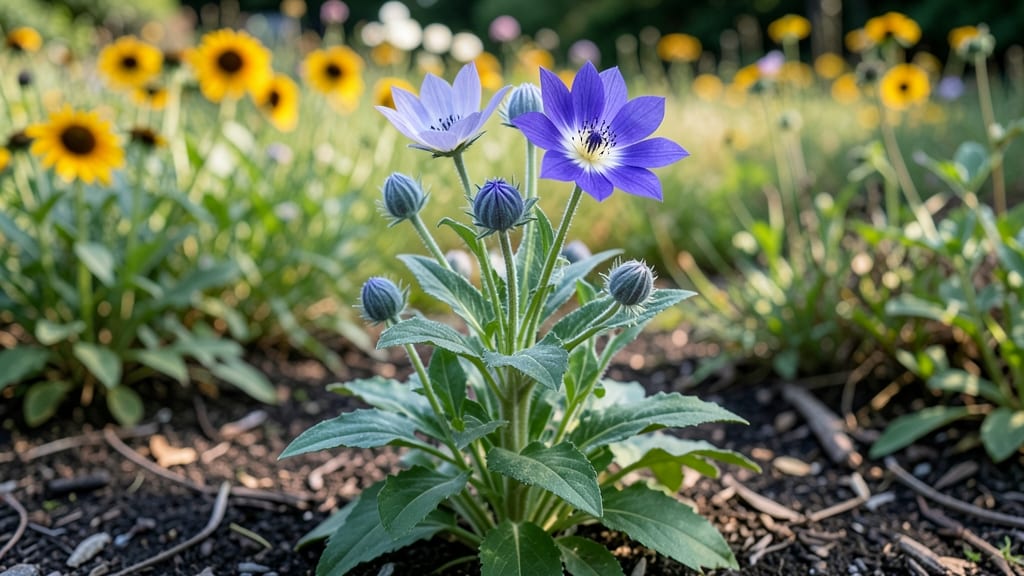
When you picture balloon flowers 🌸 in your garden, do you imagine how tall do balloon flowers get—delicate spires reaching toward the sky or compact clumps adding color to borders?
The truth is, these versatile plants can grow anywhere from 1 foot to over 3 feet tall—depending on the variety and how you care for them.
We’ve grown Platycodon grandiflorus for years, and the height differences between varieties like 'Royal Crown' (tall and dramatic) and 'Hidcote Series' (neat and low) always surprise new gardeners. Whether you’re planning a cottage garden or a modern container display, knowing these height ranges is the key to placing them perfectly.
In this guide, I’ll break down exactly how tall each popular variety grows, what affects their height, and simple tricks to control their size—so you can create the look you love without any unexpected surprises.
Ready to transform your garden with these low-maintenance blooms? Let’s dive into the details so you can plant with confidence and watch your balloon flowers thrive at just the right height for your space.


Balloon flower height by variety: from compact to towering
When planning your garden, knowing how tall your balloon flowers (Platycodon grandiflorus) will grow is essential for creating the perfect layout. These charming perennials offer a range of heights, from compact varieties perfect for containers to tall-growing types that anchor borders.
The right choice depends on your space and design goals—whether you want cascading color or bold vertical accents. Let’s explore the height variations across popular balloon flower varieties so you can pick the perfect fit for your garden.
Balloon flowers typically mature between 1 to 4 feet tall, but their growth habits can shift dramatically based on the variety.
Dwarf types like 'Hidcote Series' stay under 2 feet, making them ideal for edging or window boxes, while taller varieties like 'Royal Crown' can reach nearly 4 feet, adding drama to cottage gardens or mixed borders.
Understanding these differences helps you avoid overcrowding and ensures your plants thrive in their designated spaces.
Here’s a quick visual guide to help you compare the most popular balloon flower varieties by height, along with their ideal growing conditions and garden uses.
This comparison will make it easier to visualize how each variety fits into your landscape design, whether you’re working with raised beds, containers, or traditional garden plots.
If you’re working with limited space, dwarf varieties like 'Hidcote Series' or 'Blue Boy' are perfect for containers or window boxes. Their compact stature—typically 12 to 24 inches tall—makes them versatile for urban gardens, patios, or even hanging baskets.
These varieties also thrive in partial shade, which can help you extend their growing range to areas with less sunlight.
For a bold, vertical impact, taller varieties like 'Royal Crown' or 'Sentinel' are excellent choices. These can reach 3 to 4 feet tall, making them ideal for the back of borders or as focal points in cottage-style gardens.
Their height also makes them great candidates for cut flower arrangements, as their sturdy stems hold up well in bouquets.
When selecting balloon flowers for your garden, consider not just their height but also their bloom color and season. Many varieties produce flowers from mid-summer to early fall, adding late-season color when other perennials may be winding down.
Pairing taller varieties with shorter companions—like salvias or coreopsis—creates a layered look that draws the eye and adds depth to your garden design.
One of my favorite tricks for managing balloon flower height is to use regular deadheading to encourage bushier growth. This practice not only prolongs blooming but also helps control the overall stature of the plant, especially in taller varieties.
Simply pinch off spent blooms just above a set of leaves, and you’ll promote more lateral branching, resulting in a fuller, more compact plant.
For those growing balloon flowers in containers, opt for dwarf or semi-dwarf varieties to avoid overcrowding. A 12-inch pot can comfortably accommodate a single 'Hidcote Series' plant, while larger containers (18–24 inches) can support taller varieties like 'Astra Blue'.
Always ensure your container has adequate drainage to prevent root rot, which can stunt growth and reduce flowering.
If you’re planning a perennial border, consider the mature height of each variety when spacing them
How to control balloon flower height for your garden layout
Balloon flowers (Platycodon grandiflorus) offer incredible versatility in garden design, but their height can be easily managed with the right techniques. Whether you want compact clumps for borders or tall spires as focal points, understanding how to influence their growth will help you create the perfect visual impact.
The key lies in three main factors: pruning, spacing, and soil conditions—all of which we’ll explore in detail below.
From my experience, the most effective way to control height is through selective pruning. By pinching back stems early in the season, you can encourage bushier growth and shorter stature. This method works especially well for varieties like 'Royal Crown' that naturally grow taller.
Even a simple trim can make a noticeable difference in your garden layout, ensuring your balloon flowers fit seamlessly into your design vision.
Here’s how you can manage their height for different garden styles:
🌿 For Compact Borders (1-2 ft)
- ✂️ Pinch back stems to 6 inches when seedlings reach 4-6 inches tall
- 🌱 Space plants 12-18 inches apart for fuller growth
- 💧 Use well-draining soil with organic matter to limit leggy growth
🌸 For Cottage Garden Spires (2-3 ft)
- 🌱 Allow natural growth but prune lightly after first flush of blooms
- 📏 Space plants 18-24 inches apart for air circulation
- ☀️ Provide full sun exposure (6+ hours) for stronger stems
🪴 For Container Gardens (1-2.5 ft)
- 🏺 Use 12-14 inch pots with drainage holes
- 🌱 Plant 1-2 plants per container for balanced height
- 💧 Water consistently to prevent floppy stems
Another game-changer for controlling height is soil quality. Rich, well-draining soil with plenty of organic matter encourages sturdy stems and compact growth. Amend heavy clay soils with compost or sand to prevent leggy, weak stems that can flop over in borders.
I’ve found that adding a 2-inch layer of mulch around the base also helps maintain moisture and supports healthier growth patterns.
When planning your garden layout, consider using taller varieties like 'Royal Crown' as backdrop plants behind shorter perennials, while dwarf varieties like 'Hidcote Series' make excellent foreground accents. This layering technique creates depth and visual interest while keeping your garden looking intentional and well-maintained.
Remember, balloon flowers are remarkably adaptable, so don’t be afraid to experiment with different spacing and pruning techniques. Start with the methods that best fit your garden style, and adjust as you observe how your plants respond.
With a little practice, you’ll be able to create stunning displays that highlight these beautiful blooms at just the right height for your space.