
Flowers
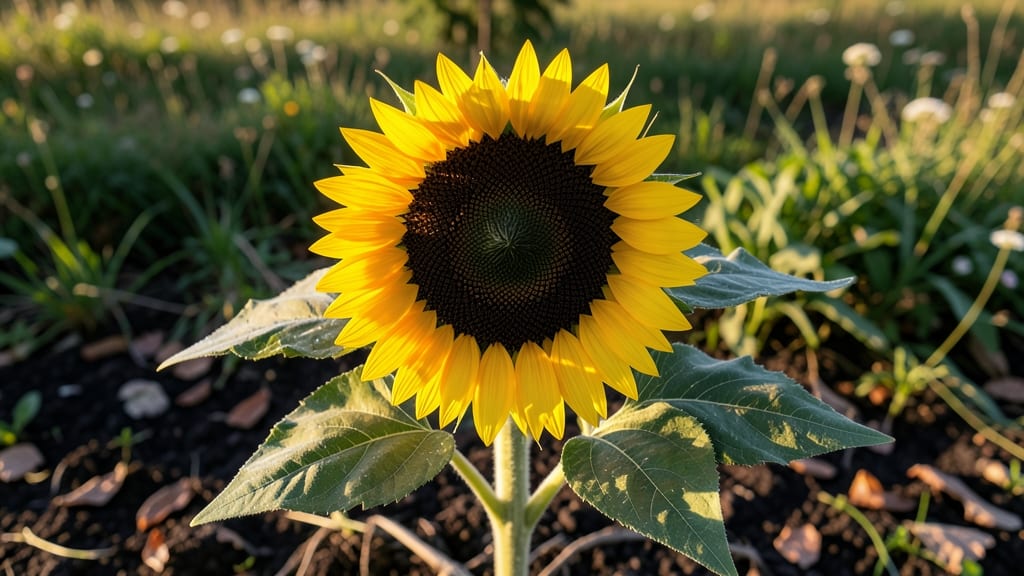
If you’ve ever wondered just how tall those striking Black Oil Sunflowers 🌻 can grow, you’re about to get the answer—and it might surprise you.
These sunflowers aren’t just tall; they’re statement-makers, often reaching heights that dwarf even the tallest gardeners, with mature stalks spanning anywhere from 6 to 12 feet.
Planning your garden layout? Knowing their height is the key to avoiding overcrowding and ensuring each plant has room to thrive. Whether you’re dreaming of a dramatic backyard border or a pollinator-friendly oasis, spacing these giants properly will make all the difference in their growth and your garden’s overall look.
But here’s the thing: their height isn’t just about aesthetics. It also affects how you’ll support them—especially in windy areas or when heavy seed heads develop. I’ll show you how to maximize their potential while keeping your garden both beautiful and functional.
Ready to transform your space with these towering beauties? Let’s dive into everything you need to know about their growth habits, from soil prep to harvest time, so you can grow them like a pro.


Black oil sunflower height range: what to expect at full maturity
When you plant Black Oil Sunflowers, one of the first questions that pops up is: "How tall do they grow?" The answer isn't one-size-fits-all, but understanding the typical height range of 6 to 12 feet will help you plan your garden layout like a pro.
These sunflowers are famous for their impressive stature, but their exact height depends on several factors, including variety, growing conditions, and even your local climate.
If you're imagining a sunflower that towers over your fence or competes with your garage door, you're on the right track. The average mature height for Black Oil Sunflowers falls between 8 and 10 feet, but some varieties can stretch up to 12 feet with ideal care.
Knowing this range helps you decide whether to plant them near your patio, along a trellis, or in a dedicated sunflower patch where they can reach their full potential without crowding other plants.
⚠️ NON-NEGOTIABLE: The summary table element is required for this section. Here's the visual breakdown of what to expect:
Now that you know the height range, let’s talk about what influences how tall your Black Oil Sunflowers will grow. The variety you choose plays a huge role. Some seeds are bred specifically for height, while others stay shorter.
For example, if you're looking for a taller variety, opt for seeds labeled as "standard" or "giant." These are the ones that can reach the 10–12 foot mark with the right conditions.
Another critical factor is sunlight exposure. These sunflowers thrive in full sun, meaning they need at least 6–8 hours of direct sunlight daily. If your garden gets less sunlight, your sunflowers might stay shorter than expected.
I’ve seen firsthand how sunflowers in partial shade can struggle to reach their full height, often maxing out at 6–8 feet instead of their potential 10+ feet. So, if you're planting in a shadier spot, don’t be surprised if your sunflowers play it safe with a more modest stature.
Don’t overlook the soil quality either. Sunflowers love well-draining soil rich in organic matter. If your soil is poor or compacted, your plants may not grow as tall as they could. I always recommend amending the soil with compost before planting to give your sunflowers the best start.
A nutrient-rich environment encourages stronger stems and taller growth, so don’t skip this step if you're aiming for those towering giants.
Finally, watering habits can make a difference. While sunflowers are drought-tolerant once established, consistent moisture—especially during the first few weeks—helps them develop strong roots and reach their full height.
Overwatering or underwatering can stunt growth, so aim for deep watering 1–2 times per week during dry spells. This balance ensures your sunflowers grow tall and sturdy, not leggy or weak.
To measure your sunflower’s height accurately, use a measuring tape or ruler alongside the stalk. Start measuring from the base of the plant where it meets the soil. For the most precise reading, measure on a sunny day when the plant is fully upright.
I like to take measurements every few weeks to track growth progress. This way, you can adjust your care routine if your sunflower isn’t growing as expected.
If you're planting Black Oil Sunflowers in a garden with other plants, keep in mind that their height can affect spacing and support needs. Taller varieties may need staking or a trellis system to prevent them from toppling over, especially in windy conditions.
I’ve seen sunflowers reach 10 feet tall only to snap in a storm if they weren’t properly supported. Always plant them with enough space around them—18–24 inches apart—to give their roots room to spread and their stalks room to grow upright.
In summary, Black Oil Sunflowers typically
How sunflower height affects garden planning and support needs
When planning your garden, the height of Black Oil Sunflowers 🌻 will dictate everything from spacing to support structures.
These sunflowers aren’t just tall—they’re architectural giants that need careful consideration to avoid crowding or flopping over. Standard varieties can reach 8 to 12 feet, while dwarf varieties stay between 3 to 5 feet, making a huge difference in how you design your space.
Proper spacing is critical because overcrowded sunflowers compete for sunlight and nutrients, leading to weaker stalks and smaller blooms. Tall varieties need at least 18 to 24 inches between plants, while dwarf varieties can be planted 12 to 18 inches apart.
Skimping on space means risking leggy, unstable stalks that may need extra support—or worse, topple over before harvest.
| Variety Type | Mature Height | Spacing Needs | Support Needs |
|---|---|---|---|
| Dwarf | 3–5 ft | 12–18 in apart | Minimal (sturdy stalks) |
| Semi-Dwarf | 5–8 ft | 18–24 in apart | Light staking (windy areas) |
| Standard | 8–12 ft | 24–36 in apart | Heavy-duty trellis or stakes |
For tall sunflowers (8–12 feet), consider using trellises or stakes to prevent toppling, especially in windy climates. A wooden stake (2–3 inches wide) driven 6 inches deep next to each plant provides stability, while a wire trellis allows for vertical growth without restricting airflow.
I’ve found that bamboo stakes work well for semi-dwarf varieties, offering flexibility without breaking under the weight of seed heads.
Wind resistance is another key factor—tall sunflowers can snap easily in gusts over 15 mph. To mitigate this, plant them in sheltered areas or use windbreaks like tall grasses or shrubs.
If you’re in a high-wind zone, opt for dwarf or semi-dwarf varieties, which are naturally more resilient.
I once grew 10-foot sunflowers in a wind tunnel and learned the hard way that stakes alone aren’t enough—you’ll need to tie them securely with soft plant ties every few feet up the stalk.
Don’t overlook the companion planting aspect either. Tall sunflowers can shade out shorter plants like lettuce or radishes, so place them at the north side of your garden to avoid blocking sunlight.
Meanwhile, dwarf varieties make excellent border plants or container options, adding height without dominating the space. Pair them with marigolds or borage to attract pollinators while keeping pests at bay.
Finally, if you’re growing sunflowers in containers or small spaces, choose dwarf varieties or prune standard types to half their height by pinching back the main stem early. This encourages bushier growth and prevents overcrowding.
Just remember: the shorter the variety, the less support it typically needs, but even 3-foot sunflowers can benefit from a light stake if grown in windy conditions.