
Size
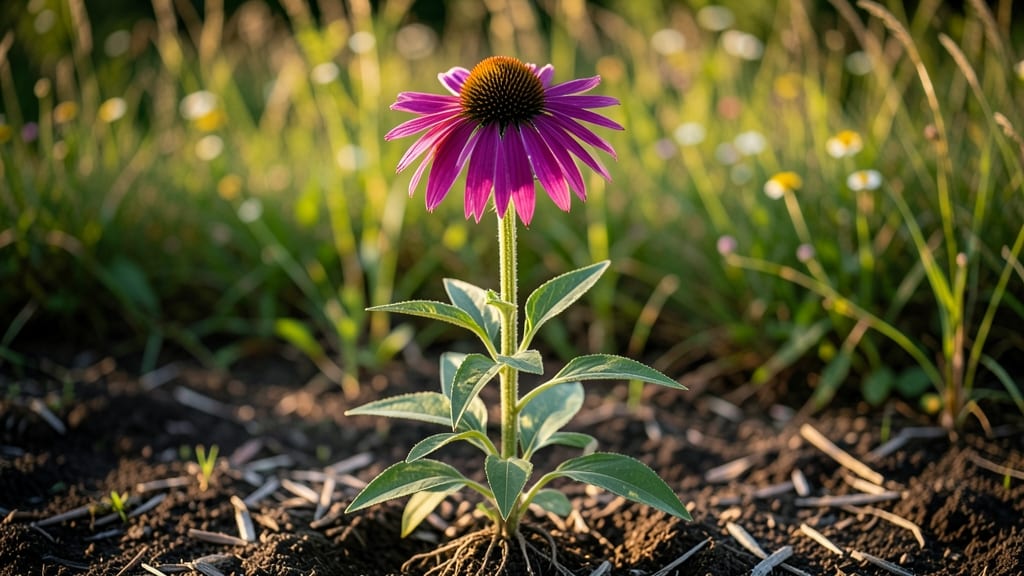
Wondering how tall your 🌼 coneflowers will grow? The answer depends on the variety you choose—some stay neat and compact while others reach nearly waist-high, transforming your garden into a pollinator paradise.
If you're planning your spring planting schedule for Zone 6a, knowing these height ranges will help you decide where to place them for maximum impact.
Most Echinacea purpurea varieties mature between 2 to 4 feet, but dwarf types like 'White Swan' stay around 1 to 2 feet, perfect for borders or containers. Meanwhile, towering varieties like 'Magnus' can stretch up to 5 feet, making them standout focal points in your landscape.
These differences matter when you're spacing plants for airflow and sunlight.
Sunlight exposure plays a key role in height—full sun (at least 6 hours daily) encourages stronger stems, while partial shade can lead to leggy growth. Pruning in early spring can also help control height and promote bushier blooms.
Whether you're planting in raised beds or containers, understanding these factors ensures your coneflowers thrive exactly where you want them.
Ready to make the most of your garden space? Let’s break down the exact height ranges by variety and share spacing tips to keep your 🌼 coneflowers looking their best all season long.


Coneflower height ranges by popular variety (with exact measurements)
Coneflowers (Echinacea) are one of the most versatile perennials for pollinator gardens, but their mature height varies dramatically by variety. If you're designing a border garden or choosing plants for containers, knowing these exact measurements helps you plan for sunlight exposure and airflow.
Most coneflowers reach maturity by their second year, so spacing now ensures they won’t outgrow their neighbors.
From dwarf varieties that stay under 2 feet to tall giants reaching 5 feet, each type has unique spacing needs. For example, 'White Swan' stays compact at just 18 inches, while 'Magnus' towers at 4-5 feet—ideal for backyard focal points.
Understanding these ranges prevents overcrowding and helps you create a balanced, thriving garden.
| Variety | Species | Mature Height | Best For |
|---|---|---|---|
| 'White Swan' | Echinacea purpurea | 18-24" | Containers, borders |
| 'Green Envy' | Echinacea purpurea | 24-30" | Front of beds, pollinator gardens |
| 'Magnus' | Echinacea purpurea | 4-5 ft | Back of borders, cut flowers |
| 'Pallida' | Echinacea pallida | 3-4 ft | Prairie-style gardens |
| 'Paradox' | Echinacea paradoxa | 2-3 ft | Dry gardens, rockeries |
| 'Hot Papaya' | Echinacea purpurea | 2-3 ft | Colorful borders, containers |
The Echinacea purpurea group includes the most popular varieties, with heights ranging from 18 inches to 5 feet. For example, 'White Swan' is perfect for container gardening or small spaces, while 'Magnus' adds drama to the back of perennial beds.
If you're planting in raised beds, leave at least 18-24 inches between tall varieties to prevent competition for nutrients.
For Echinacea pallida, like the classic 'Pallida', expect a slightly taller stature at 3-4 feet. This variety thrives in dry, sunny conditions and is a favorite for native plant gardens.
Meanwhile, Echinacea paradoxa, such as 'Paradox', stays more compact at 2-3 feet, making it ideal for rock gardens or slopes where space is limited.
If you're growing coneflowers in containers, choose dwarf varieties like 'Green Envy' or 'Hot Papaya', which stay under 3 feet. These work beautifully on patios or balconies, especially when paired with companion plants like black-eyed Susans or salvias.
Just ensure your container has drainage holes and use a well-draining potting mix to prevent root rot.
Sunlight directly impacts height—full sun (6+ hours daily) encourages stronger stems, while partial shade can lead to leggy growth. For tall varieties, stake them early in the season to prevent flopping, especially in windy locations.
Prune back spent blooms in late summer to redirect energy to root growth, which helps maintain compact size in subsequent years.
Pro tip: If you're planting coneflowers near shrubs or trees, opt for dwarf varieties to avoid competition. For example, 'White Swan' grows well under light shade from small trees, while 'Magnus' needs full sun to reach its full height.
Always check the USDA Zone recommendations for your variety—most coneflowers thrive in Zones 3-9.
For cut flower gardens, tall varieties like 'Magnus' or 'Purple Beauty' (
How coneflower height affects garden design and spacing
When designing your garden, coneflower height is more than just a number—it determines where you place them for maximum impact. Tall varieties like 'Magnus' (up to 5 feet) create stunning vertical accents, while dwarf types like 'White Swan' (1-2 feet) work perfectly in borders or containers.
Understanding these differences helps you avoid overcrowding and ensures every plant gets the sunlight and airflow it needs to thrive.
In full sun gardens, taller coneflowers act as natural pollinator magnets, attracting bees and butterflies to higher elevations where other flowers might not reach. Their height also makes them ideal for back-of-bed plantings, allowing shorter perennials like black-eyed Susans or salvia to shine in front.
For small gardens, dwarf varieties prevent overwhelming nearby plants while still providing color and texture.
Proper spacing guidelines prevent competition for nutrients and reduce disease risk. Most standard coneflowers (3-4 feet) need 18-24 inches between plants, while dwarf types can be spaced 12-18 inches apart.
In container gardening, choose compact varieties and ensure pots are at least 12 inches deep to accommodate root growth without overcrowding.
- 1. Tall Varieties (4-5 ft): Space 24-30 inches apart for back-of-bed planting. Use as privacy screens or focal points in perennial borders.
- 2. Medium Varieties (2-3 ft): Space 18-24 inches apart. Ideal for mixed borders or pollinator gardens with salvia or bee balm.
- 3. Dwarf Varieties (1-2 ft): Space 12-18 inches apart. Perfect for front-of-bed planting, rock gardens, or container arrangements.
- 4. Companion Planting: Pair tall coneflowers with low-growing perennials like sedum or coresopsis to create layered visual interest.
- 5. Small Gardens: Use containers or raised beds to control height. Choose dwarf varieties to avoid overcrowding nearby plants.
Height also influences pollinator attraction. Taller coneflowers provide landing platforms for bees and butterflies, while their open flower structure makes it easy for pollinators to access nectar.
In my own garden, I’ve noticed that tall varieties like 'Green Envy' attract more hummingbirds because they stand out against the surrounding foliage. For maximum pollinator activity, plant coneflowers in clusters of 3-5 plants rather than single stems.
If you're working with limited space, consider pruning techniques to manage height naturally. Pinching back new growth in early spring encourages bushier, shorter plants. For container gardening, choose dwarf varieties or prune regularly to keep them from outgrowing their pots.
Remember, overcrowding leads to weaker stems and fewer blooms, so always follow spacing guidelines based on your coneflower’s mature height.
For small gardens, I recommend using containers or vertical planters to grow taller varieties without sacrificing space. For example, a 5-foot coneflower in a large pot can add height to a patio or balcony while keeping roots contained.
Always ensure containers have drainage holes and use well-draining soil to prevent root rot.