
Flowers
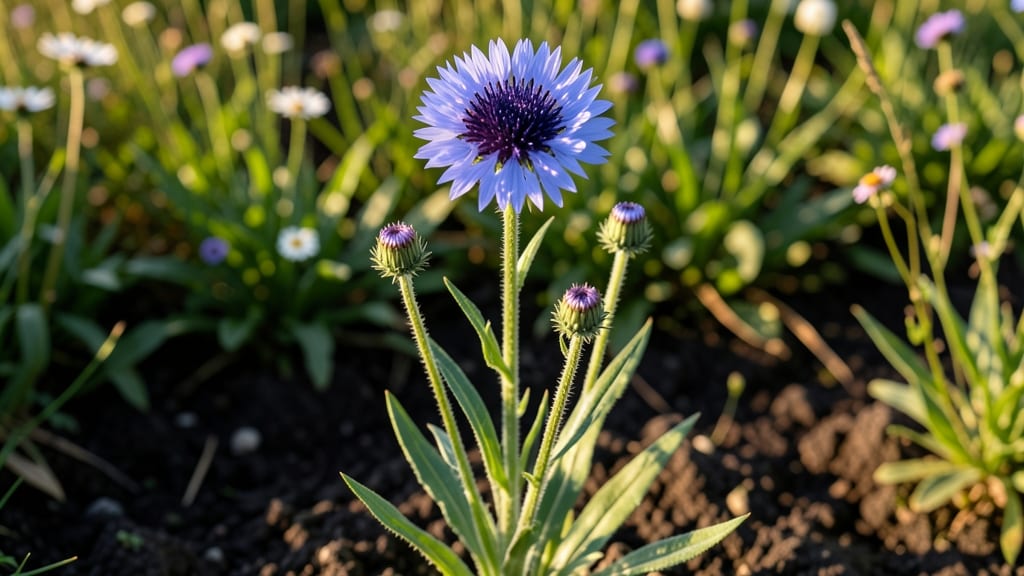
If you’ve ever wondered how tall do cornflowers grow, the answer might surprise you—these cheerful 🌼 blue blooms can range from compact 1-foot wonders to towering 4-foot giants, depending on the variety and growing conditions.
Whether you're planning a cottage garden border or a wildflower meadow, knowing their potential height helps you choose the perfect spot and companion plants.
Most gardeners grow the classic Centaurea cyanus, which typically reaches 2 to 3 feet in height, making it a versatile addition to both small and large gardens.
But don’t be fooled—some dwarf varieties stay under 2 feet, while heirloom or wildflower strains can stretch toward 4 feet, creating stunning vertical accents. The key to maximizing their height lies in sunlight, soil, and spacing.
Sunlight is non-negotiable—cornflowers thrive in full sun (at least 6 hours daily) and will naturally grow taller when given ample light. Rich, well-draining soil also encourages robust growth, while crowded conditions can stunt their height or cause them to flop.
If you’re aiming for a neat, tidy look, pruning spent blooms can redirect energy into stronger stems.
For garden planning, consider pairing taller varieties (like ‘Black Star’) with shorter flowers to create depth, or use dwarf types in containers and borders. Whether you’re a beginner or a seasoned gardener, understanding cornflower height ensures your 🌼 blooms shine—literally and figuratively—in your outdoor space.


Cornflower height by variety: from dwarf to towering giants
Choosing the right cornflower variety depends entirely on your garden design—whether you want delicate border accents or bold backdrop plants. Heights range dramatically, from dwarf varieties under 18 inches to towering giants reaching 4 feet.
This variation lets you mix cornflowers with perennials, grasses, or even vegetable patches for a naturalistic look. For example, my cottage garden uses a mix of 1-foot and 3-foot varieties to create layered visual interest.
Most annual cornflowers (the classic Centaurea cyanus) grow 2–3 feet tall at maturity, making them perfect for cut-flower arrangements or wildflower meadows.
However, newer hybrids and perennial types like 'Black Star' or 'Amethyst' can stretch to 4 feet or more, while dwarf varieties like 'Little Beauty' stay under 12 inches. Understanding these ranges helps you avoid overcrowding or planting in the wrong spot.
Garden planning becomes much easier when you visualize heights relative to everyday objects. A 2-foot cornflower reaches the height of a standard kitchen countertop (36 inches), while a 4-foot variety rivals a mailbox post. This makes it simple to sketch layouts—place tall varieties at the back of borders or near fences, and compact types in front of roses or lavender for contrast.
If you’re working with containers, prioritize dwarf varieties like 'Little Beauty' or 'Blue Bouquet', which thrive in 5–7 gallon pots. These stay under 18 inches and pair beautifully with sweet alyssum or calendula for a spiller-thriller-filler combo.
For ground covers, consider spreading types like 'Blue Horizon', which maxes out at 2 feet but spreads 18 inches wide—ideal for filling gaps between stepping stones.
For cut-flower gardens, taller varieties like 'Black Star' or 'Telephone Pole' are game-changers. Their 4-foot stems hold up well in vases and attract bees and butterflies like magnets.
I’ve found that staking these varieties early (with bamboo stakes) prevents flopping, especially in humid climates. Even in dry conditions, their deep roots keep them upright.
One common
How to control cornflower height for optimal growth
Controlling cornflower height starts with understanding their natural growth habits. These sun-loving annuals typically reach 2 to 3 feet, but with the right techniques, you can encourage taller stems or keep them compact.
The key is balancing sunlight exposure, soil nutrition, and pruning habits—each plays a role in shaping their final stature.
For taller cornflowers, ensure they receive full sun (6+ hours daily) and plant them in well-draining, nutrient-rich soil. If your garden has partial shade, expect shorter, bushier plants. Conversely, to limit height, reduce sunlight slightly or use container gardening with smaller pots to restrict root growth.
⚠️ WARNING: Overcrowding Stunts Growth
⚠️ Common Mistake: Planting Too Close
Cornflowers need 12-18 inches of spacing to grow upright. Crowding forces them to compete for nutrients, resulting in weak, leggy stems that flop over. Even dwarf varieties will sprawl if planted too tightly.
💡 Fix: Thin seedlings early to 12 inches apart for standard varieties or 8-10 inches for dwarfs. Use stakes or cages for taller types to prevent bending.
Pruning is another powerful tool. Pinch back new growth by 1/3 when plants are 6 inches tall to encourage bushier, shorter growth. For taller stems, avoid heavy pruning—let them grow naturally and remove only spent blooms to redirect energy upward.
Soil composition matters too. Amend clay soil with compost to improve drainage, which prevents root stress that can stunt growth. Over-fertilizing with high-nitrogen feeds also backfires—it promotes leafy growth over flower stalks. Stick to a balanced 5-10-10 fertilizer applied lightly at planting.
Finally, watch for pests and diseases like aphids or powdery mildew, which weaken plants and reduce height. Use neem oil or insecticidal soap early to keep stems strong. With these adjustments, you’ll achieve the perfect cornflower height for your garden’s vision.
🌼 Whether you’re aiming for backyard sentinels or border accents, mastering these techniques ensures your cornflowers reach their full potential—without overpowering your design.