
Flowers
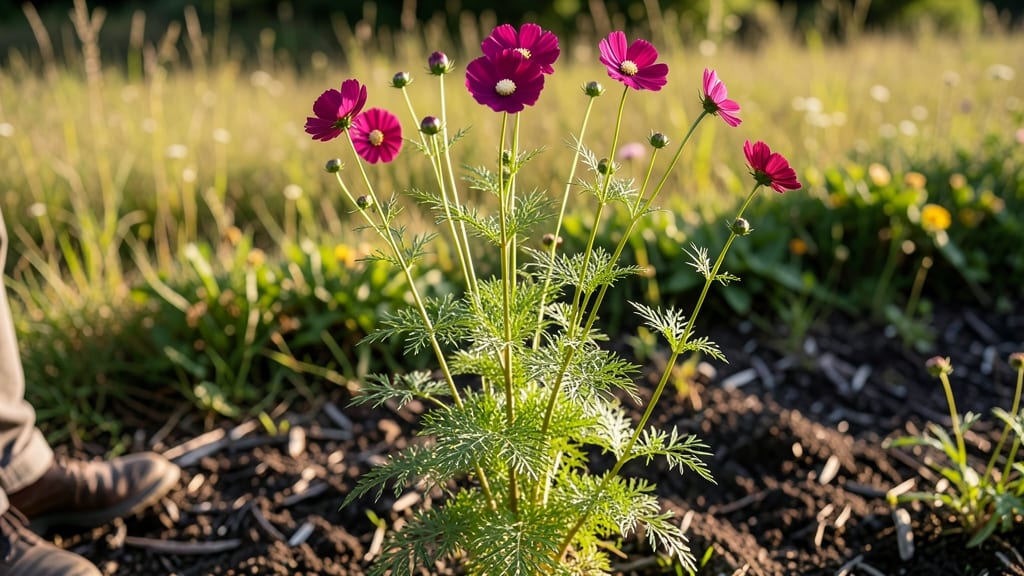
When you picture cosmos flowers and wonder how tall they can grow, do you imagine towering spires reaching for the sky or compact clusters adding delicate color to borders?
The truth is, their height varies dramatically—and knowing exactly how tall they’ll grow is the key to planning your dream garden layout.
Most cosmos varieties typically reach between 2 and 4 feet tall, making them perfect for adding vertical interest without overwhelming smaller spaces.
But here’s the twist: some dwarf varieties stay as short as 1 foot, while giant cultivars can stretch up to 6 feet—that’s nearly as tall as you are!
Whether you’re working with a cozy patio or a sprawling backyard, understanding these differences will help you choose the perfect variety for your vision.
What you might not realize is that factors like sunlight, soil quality, and even pruning techniques can influence how tall your cosmos grow. Too little sun? They’ll stretch leggy. Too much water?
They might flop. I’ll break down the science behind these growth patterns and share my go-to tips for encouraging the ideal height—whether you want a lush border or a dramatic focal point.
Ready to transform your garden with cosmos that thrive at just the right height? Let’s dive into the varieties, care secrets, and simple tricks that’ll have your cosmos reaching their full potential—without any guesswork.


Cosmos flower height by variety: a complete size comparison
If you're planning your garden layout with cosmos flowers, knowing their mature height is essential for creating a balanced and stunning display. Cosmos varieties range from compact dwarf types to towering standard varieties, each offering unique visual impact.
Understanding these differences helps you choose the perfect cosmos for your space—whether you want to fill gaps in borders or create dramatic backdrops.
Cosmos flowers typically reach maturity between 60 to 90 days after planting, with heights varying significantly by variety. Some stay under 2 feet tall, while others can soar to 6 feet or more.
This variety means you can mix cosmos into almost any garden design, from cottage-style beds to modern container arrangements. Let’s explore the most popular cosmos types and their mature heights so you can plan with confidence.
Pro Tip: Always check the seed packet or plant tag for specific variety details, as some hybrids or new cultivars may exceed standard height ranges. For example, 'Cosmos "Bright Lights" might grow taller in ideal conditions than listed on average.
| Variety | Mature Height | Growth Habit | Ideal Spacing | Best For |
|---|---|---|---|---|
| Dwarf Sensation Series | 12–18 inches | Compact, bushy | 8–12 inches apart | Borders, containers, pollinator gardens |
| Seashells Series | 24–36 inches | Semi-dwarf, upright | 12–18 inches apart | Cut flower arrangements, mixed borders |
| Bright Lights Series | 36–48 inches | Tall, slender stems | 18–24 inches apart | Back of borders, cut flowers, tall arrangements |
| Double Click Series | 30–42 inches | Bushy, double blooms | 12–16 inches apart | Pollinator gardens, cottage-style beds |
| Sensation 'Sonata' Series | 20–30 inches | Compact, uniform | 10–12 inches apart | Container gardens, window boxes |
| Cosmos bipinnatus (Standard) | 48–72 inches | Tall, airy stems | 24–36 inches apart | Backdrop plants, cut flower fields |
The Dwarf Sensation Series is perfect for small gardens or containers, while the Bright Lights Series adds dramatic height to the back of borders. If you're growing cosmos for cut flowers, taller varieties like 'Cosmos bipinnatus' will give you long, sturdy stems.
For pollinator gardens, the Double Click Series offers double blooms that attract bees and butterflies.
When planning your cosmos display, consider spacing requirements to ensure each plant has room to grow without competing for nutrients. For example, tall varieties like Bright Lights need at least 18 inches of space between plants, while dwarf types can thrive just 8 inches apart.
Proper spacing also improves airflow, reducing the risk of fungal diseases like powdery mildew.
For container gardening, choose dwarf or semi-dwarf varieties like 'Seashells' or 'Sonata'. These will thrive in pots as small as 12 inches wide, making them ideal for balconies or patios. Just ensure your container has drainage holes and use a lightweight potting mix to prevent root rot.
If you're aiming for a naturalistic look, let taller cosmos like 'Cosmos bipinnatus' grow wild in meadow-style plantings. These varieties can self-seed prolifically, creating a low-maintenance perennial effect over time. Just be prepared for them to spread beyond their initial planting area!
Remember, cosmos height can vary
Factors that influence cosmos flower height: sunlight, soil, and care
If you’ve ever wondered why your cosmos flowers seem to stretch toward the sky like sun-worshippers or stay stubbornly short, the answer lies in their growing conditions.
Cosmos are famously adaptable, but their height potential is directly tied to how much sunlight they receive, the quality of your soil, and the care you provide. Even the most vigorous variety won’t reach its full height if deprived of these essentials.
For example, a Sensation Mix cosmos—one of the tallest varieties—can easily top 5 feet in ideal conditions, but in shady spots or poor soil, it might struggle to reach 3 feet.
The same goes for dwarf varieties like ‘Purity’, which max out at 2 feet when happy but may only hit 1 foot if stressed. Understanding these factors lets you fine-tune your garden for the perfect cosmos height.
🌱 Key Factors Affecting Cosmos Height
- Sunlight: 6+ hours/day = full height potential; 4-6 hours = 30-50% shorter
- Soil: Well-draining, fertile = taller, sturdier stems; Compacted/clay = leggy, weak growth
- Watering: Deep, infrequent soaks = strong roots; Surface watering = shallow roots, floppy stems
- Pruning: Pinching early = bushier, shorter plants; No pruning = taller but fewer blooms
- Fertilizer: Balanced NPK (5-10-10) = optimal height; Over-fertilizing = leafy but weak stems
Let’s start with sunlight, the most critical factor for cosmos height. These sun-loving annuals thrive with 6+ hours of direct sunlight daily, which triggers their natural growth hormones.
In my garden, I’ve seen ‘Bright Lights’ cosmos grow from 3 feet in partial shade to 5 feet when moved to a sunnier spot. Even just 2 hours less sunlight can reduce their height by 20%, so choose your planting location carefully.
The soil you grow cosmos in plays a surprising role in their height. Heavy, clay soil can stunt their roots, leading to leggy, weak stems that struggle to support their own weight.
Amend your soil with compost or sand to improve drainage, and your cosmos will reward you with sturdier, taller growth.
I once had a patch of cosmos in unamended soil that barely reached 2 feet, but after adding compost, the same variety shot up to 4 feet in just one season.
Watering might seem simple, but how you water can dramatically affect height. Cosmos prefer deep watering 2-3 times per week rather than daily shallow drinks. Overwatering or inconsistent moisture leads to weak stems that flop over, while deep watering encourages strong root systems that support taller growth.
Pro tip: Water in the morning to reduce fungal risks and let foliage dry quickly.
Finally, pruning is your secret weapon for controlling height. If you want shorter, bushier cosmos, pinch off the top set of leaves when plants are 6 inches tall. This encourages lateral growth, creating a fuller plant with more blooms.
For taller cosmos, avoid heavy pruning—just remove spent blooms to redirect energy into stem growth. I’ve seen ‘Seashells’ cosmos grow 2 feet taller when left unpruned compared to pinched varieties.
With these factors in mind, you can now predict and control your cosmos height like a pro. Whether you’re aiming for a dwarf border or a towering backdrop, the key is giving your plants the right conditions—and a little strategic care. Happy growing! 🌼