
Flowers
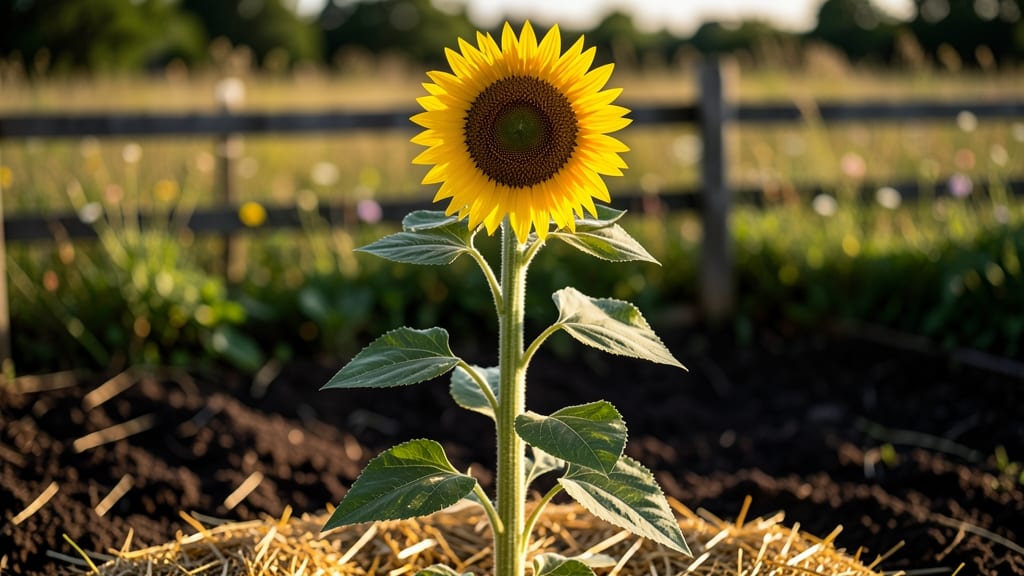
If you’ve ever wondered how tall sunflowers can grow, the answer might surprise you—some varieties stretch taller than a two-story building! But here’s the catch: the height of your sunflowers depends on more than just luck.
Whether you’re dreaming of a dwarf variety for containers or a giant sunflower to wow visitors, understanding the factors that influence growth is the key to unlocking their full potential.
From the 3-foot charm of compact varieties to the 18-foot giants that dominate the landscape, sunflowers offer a stunning range of heights. But soil quality, sunlight exposure, and even spacing between plants can push your sunflowers to new extremes—or hold them back.
The right conditions turn a modest seedling into a sun-drenched giant, while neglect can leave you with underwhelming blooms.
What if you’re working with limited space? Dwarf sunflowers are the perfect solution, delivering bright blooms without the towering commitment. Meanwhile, standard and giant varieties thrive with proper care, rewarding gardeners with breathtaking vertical drama.
The secret lies in knowing how to nurture them—whether you’re aiming for a sunflower hedge or a single showstopper.
Ready to grow sunflowers that steal the show? I’ll break down the exact height ranges by variety, plus the pro tips to help you coax every inch of growth—no matter your garden’s size. Let’s get those sunflowers reaching for the sky!


Sunflower height by variety: from dwarf to giant types
Choosing the right sunflower variety is like selecting the perfect skyscraper for your garden—each type offers a unique height and purpose. Whether you dream of container-friendly dwarfs or towering giants that attract birds and fill your space with drama, the variety determines your sunflower's ultimate height.
Even the same species can vary by 15 feet depending on genetics, making variety selection a game-changer for your layout and goals.
From boutique heirlooms to commercial favorites, sunflowers span a staggering range—from 1-foot patio dwarfs to 18-foot giants that need a windbreak. Understanding these differences helps you plan for cut flower arrangements, bird-friendly habitats, or even vertical garden accents.
Let's explore how to match your space and vision to the perfect sunflower height.
🌻 Pro Tip: Always check seed packets for mature height estimates, as even "standard" varieties can vary by 1-2 feet based on growing conditions.
Dwarf sunflowers like 'Teddy Bear' (1–2 feet) are perfect for balcony gardens or window boxes, while 'Moulin Rouge' (2.5 feet) adds vibrant color to front yard borders. These varieties thrive in containers as small as 12 inches wide, making them ideal for urban gardeners with limited space.
Their compact stature also means they require less staking and are less prone to wind damage.
Semi-dwarf varieties strike a balance, reaching 3–6 feet—tall enough for cut flower arrangements but manageable in small backyard plots. Popular choices like 'Autumn Beauty' (4–5 feet) produce multi-colored blooms perfect for bouquets, while 'ProCut' (5 feet) is bred specifically for long vase life.
These varieties often self-support but benefit from light staking in windy areas.
Standard sunflowers (6–12 feet) are the classic giants that dominate garden backdrops and attract pollinators and birds. The 'Mammoth' variety (10–12 feet) is a crowd-pleaser for its massive blooms, while 'Russian Giant' (12–14 feet) pushes the limits of homegrown heights.
These varieties need sturdy stakes or trellises to prevent toppling in storms.
For the ultimate sunflower spectacle, giant heirloom varieties like 'Giant Russian' (14–18 feet) or 'Mammoth' (10–14 feet) deliver unmatched drama. These varieties are not for the faint of heart—they require deep, fertile soil, consistent watering, and strong support systems.
Some gardeners report unverified heights up to 20 feet for rare heirlooms like 'Giant Single'
How growing conditions affect sunflower height: soil, sunlight, and spacing
Sunflowers are sun-powered giants, and their height isn’t just about genetics—it’s a direct response to their environment. The soil quality you plant them in, the sunlight hours they receive daily, and even the spacing between plants can push them toward their maximum potential or leave them struggling.
For example, a giant sunflower variety like 'Mammoth' can reach 14-18 feet with ideal conditions, but the same plant might only hit 8-10 feet in poor soil or shade.
Let’s say you’re growing 'Teddy Bear' sunflowers, which typically max out at 3-4 feet. If you plant them too closely together, they’ll compete for nutrients, resulting in stunted growth and smaller blooms.
Conversely, giving them 18-24 inches of space lets their roots spread, encouraging taller, sturdier stems. The same principle applies to all varieties—proper spacing is the foundation of vertical growth.
⚠️ WARNING: Overlooking these growing conditions can shrink your sunflowers by 30-50%!
Sunflowers are heavy feeders, and nutrient-poor soil will stunt their growth before they even bloom. A pH imbalance (below 6.0 or above 7.5) locks out essential minerals like phosphorus and nitrogen, which are critical for stem elongation.
Even if you’re growing a dwarf variety, poor soil can reduce their height by nearly half. Test your soil before planting—amending it with compost or a balanced fertilizer (like 10-10-10) can add 2-4 feet to your sunflowers’ height.
Another common mistake? Underestimating sunlight needs. Sunflowers require 6-8 hours of direct sun daily to reach their full height. Even partial shade (like 4-6 hours of sun) can reduce growth by 20-30%.
If your garden is shady, opt for dwarf or semi-dwarf varieties like 'Little Becka' (2-3 feet) or 'ProCut' (3-4 feet), which tolerate mixed light better than giants.
Watering plays a surprisingly big role in sunflower height, especially during the first 6-8 weeks of growth. Young sunflowers need consistent moisture to develop strong root systems, but overwatering can cause weak stems that flop or snap under their own weight.
Aim for 1 inch of water per week, delivered in the morning to reduce evaporation and fungal risks. Once established, sunflowers are drought-tolerant, but a dry spell during flowering can stunt height and reduce bloom size.
Spacing isn’t just about giving plants room to breathe—it’s about maximizing vertical growth. For giant varieties, space them 18-24 inches apart in rows that are 3 feet apart.
This allows roots to access nutrients and water without competing, letting the plant focus energy on stem elongation. Dwarf sunflowers, on the other hand, can be planted 12 inches apart in containers or borders.
Crowding them too closely leads to taller but weaker stems that lean or break under wind or rain.
Here’s a pro tip for gardeners with limited space: trellising or staking can trick sunflowers into growing taller without taking up extra room. Use bamboo stakes or wire cages to support semi-dwarf varieties like 'Autumn Beauty' (4-5 feet), helping them reach their full height even in small gardens.
Just be sure to tie stems loosely every 2-3 feet to avoid restricting growth. For container growing, choose dwarf varieties in 5-gallon pots—they’ll still hit 2-3 feet with proper care!
If your sunflowers are underperforming in height, don’t despair—there’s still time to correct the issue. Start by amending the soil with compost or a slow-release fertilizer. Next, ensure they’re in full sun and water deeply 2-3 times per week until they’re established.
Finally, thin out crowded seedlings to give remaining plants the space they need to reach for the sky. With the right conditions, even a lagging sunflower can add 1-2 feet of growth in just a few weeks.