
How To
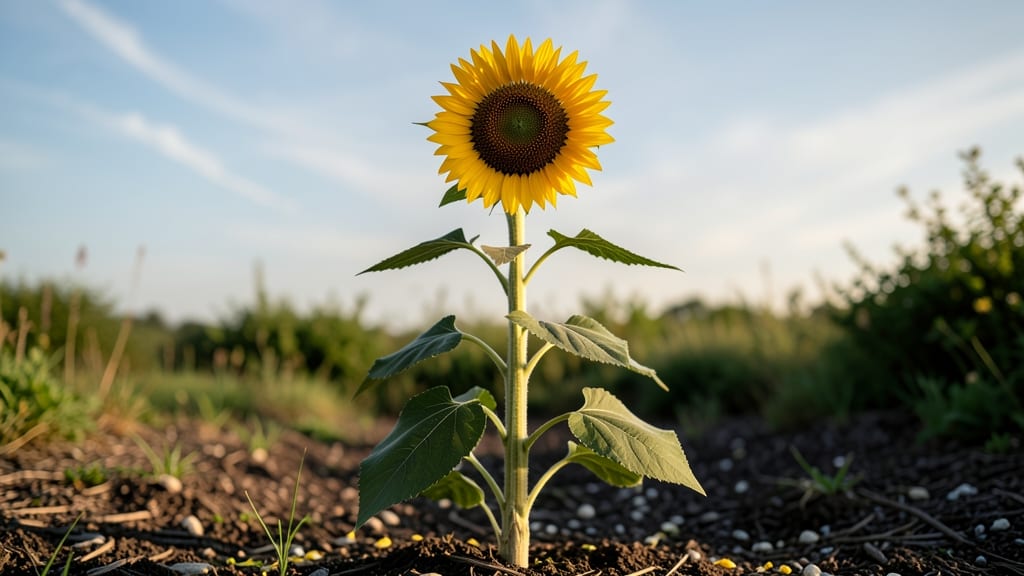
When you picture how tall a sunflower grows, you might imagine a cheerful face in your garden—but did you know some varieties stretch taller than a two-story building?
The height of your sunflowers depends on the type you plant, and getting it right could mean the difference between a cute border plant and a stunning centerpiece for your yard.
From dwarf varieties that stay under 3 feet to towering giants reaching 16 feet, sunflowers offer a range of heights that can transform your outdoor space. Whether you're a beginner gardener or a seasoned pro, understanding these variations helps you choose the perfect variety for your goals—and your space.
But height isn’t just about the variety. Soil quality, sunlight, and even how much you water can push your sunflowers to new heights—or keep them stunted. I’ll break down the key factors that influence growth, so you can give your sunflowers the best shot at reaching their full potential.
Ready to grow sunflowers that turn heads? Let’s explore the exact heights by variety and the simple tricks to maximize their growth—so you can enjoy sunflowers that match your vision, whether you want a cozy cottage garden or a sky-scraping statement piece.


Sunflower height by variety: from dwarf to giant species
Sunflowers aren’t just cheerful faces in your garden—they’re architectural marvels with heights ranging from 1-foot dwarfs to 16-foot giants. The variety you choose determines not just how tall your sunflowers grow, but also their bloom size, seed production, and even their garden placement.
Whether you're dreaming of a privacy screen or a container-friendly accent, there’s a sunflower perfect for your space and goals.
Most gardeners assume all sunflowers tower over them, but the truth is far more exciting. Dwarf varieties like 'Teddy Bear' stay under 3 feet, making them ideal for balconies or window boxes.
Meanwhile, 'Russian Giant' can reach 12-16 feet, turning your garden into a vertical spectacle. The key to unlocking their full potential? Understanding their growing conditions and spacing needs.
Sunflower height isn’t just about genetics—it’s a team effort between the plant and its environment. Full sun exposure, rich soil, and consistent watering can push even medium-height varieties toward their maximum potential.
For example, a 'Moulin Rouge' (typically 4-5 feet) might stretch to 6 feet with optimal care. Let’s explore the full spectrum of sunflower heights and how to maximize them in your garden.
| Variety | Mature Height | Bloom Size | Best For | Spacing |
|---|---|---|---|---|
| Teddy Bear | 1-3 ft | 3-4 in | Containers, borders | 6-12 in apart |
| Moulin Rouge | 4-6 ft | 4-5 in | Cut flowers, borders | 12-18 in apart |
| Autumn Beauty | 5-7 ft | 4-6 in | Back of beds, cut flowers | 18-24 in apart |
| Russian Giant | 12-16 ft | 8-12 in | Privacy screens, statement plants | 3-4 ft apart |
| Sunspot | 2-4 ft | 2-3 in | Cut flowers, containers | 8-12 in apart |
| ProCut | 6-8 ft | 5-6 in | Floral arrangements, bouquets | 18-24 in apart |
Note: Heights can vary by 1-2 feet based on growing conditions. Always check seed packet instructions for exact details.
If you’re growing sunflowers for cut flowers, varieties like 'ProCut' (6-8 feet) or 'Autumn Beauty' (5-7 feet) are top choices. Their long stems and durable blooms hold up beautifully in arrangements. For container gardening
How sunflower height changes at each growth stage
Sunflowers don’t grow to their full mature height overnight—they progress through distinct stages where their growth rate accelerates dramatically. Understanding these stages helps you monitor progress and adjust care to encourage maximum height.
From tiny sprouts to towering giants, each phase offers unique opportunities to guide your sunflowers toward their potential.
Most sunflower varieties follow a predictable height progression, though dwarf varieties grow slower than giant species. For example, a Moulin Rouge (dwarf) might reach just 3 feet, while a Russian Giant can shoot up 16 feet in the same timeframe.
The key is knowing when to expect growth spurts and how to support them.
During the vegetative stage (weeks 4-6), sunflowers experience their most rapid growth. This is when their stems elongate dramatically—sometimes 6 inches per week in ideal conditions. To support this surge, ensure your plants receive 6-8 hours of sunlight daily and water deeply at the base to encourage strong root development.
When buds form (weeks 7-10), growth slows slightly as energy shifts to flower production. This is your cue to stake tall varieties if they exceed 3 feet to prevent toppling.
Reduce watering slightly during this phase to avoid weakening stems, but keep the soil moist enough to support the developing flower head.
By maturity (weeks 11-14+), your sunflowers will have reached their maximum height, though some giant varieties continue growing until frost. At this stage, focus on harvesting seeds and protecting your plants from pests like sunflower moths, which can damage buds and reduce height potential in future seasons.
Monitoring your sunflowers’ height weekly lets you adjust care in real-time. For example, if growth stalls during the vegetative stage, check for nutrient deficiencies or overcrowding—both can limit height development. With the right approach, you’ll grow sunflowers that match your vision, whether you prefer compact varieties or sky-high giants.