
Flowers
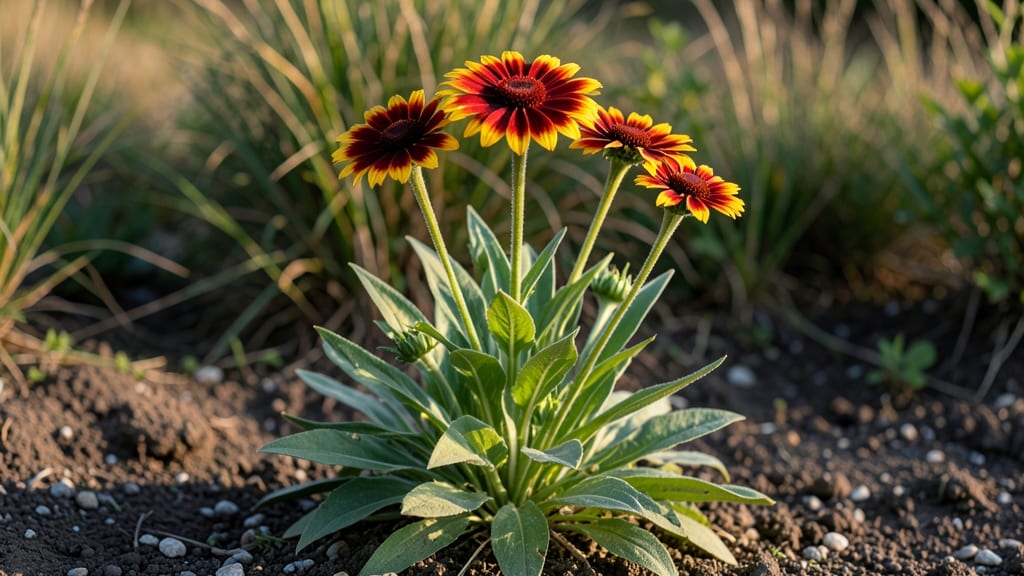
Wondering how tall does a blanket flower grow before planning your garden layout? The answer isn’t one-size-fits-all—these cheerful blooms can stretch from just 1 foot to over 3 feet, depending on the variety and growing conditions.
If you’re eyeing compact varieties like ‘Arizona Sun,’ expect a tidy 1-2 feet frame perfect for containers or borders. But taller types, such as ‘Goblin,’ can tower up to 3 feet, making them stars in cottage gardens or wildflower meadows.
Proper spacing is the key to happy plants—crowding dwarf types too closely can stunt their growth, while giving tall varieties room ensures they don’t flop in summer storms. Let’s break down the best spacing strategies for each height range.
Whether you’re designing a pollinator-friendly border or filling a pot, knowing your blanket flower’s mature height helps you avoid overcrowding and maximizes those vibrant blooms all season long.


Blanket flower height ranges by variety: compact to tall options
Blanket flowers (Gaillardia) are prized for their vibrant blooms and drought tolerance, but their height varies dramatically by variety. Choosing the right type ensures your garden design—whether containers or landscape beds—looks intentional and thrives.
Dwarf varieties like 'Kobold' stay under 12 inches, while taller types like 'Arizona Sun' reach 36 inches or more. Let’s break down the height ranges so you can plan spacing like a pro.
Understanding these height differences helps you avoid overcrowding, which can lead to leggy stems or reduced blooms. For example, container gardening favors compact varieties, while border plantings often showcase taller types.
Even the soil type and sun exposure can influence how tall a blanket flower grows, but the variety itself is the biggest factor. Let’s explore the top varieties and their mature heights to help you make the best choice for your space.
If you’re working with limited space, dwarf varieties like 'Kobold' or 'Goblin' are perfect for containers or rock gardens. Their compact stature makes them ideal for patio planters or window boxes, where you want color without height dominance.
These varieties typically stay under 12 inches tall, making them great for urban gardens or balcony setups where vertical space is limited.
For landscape beds or wildflower meadows, taller varieties like 'Arizona Sun' or 'Yarrow' create dramatic focal points. Their 30–36 inch height works beautifully in the back of borders or as cut flowers for arrangements.
Just be sure to give them plenty of space—these giants need 24–36 inches between plants to avoid competition for sunlight and nutrients.
One pro tip: If you’re using blanket flowers in mixed borders, pair tall varieties with shorter companions like salvia or coreopsis. This creates visual layers and ensures no single plant overpowers the design.
For example, 'Arizona Sunburst' at 18–24 inches pairs beautifully with black-eyed Susans or coneflowers to fill in gaps.
Don’t forget that pruning can also influence height. If a tall variety starts to flop or spread too much, a light deadheading or trimming can encourage bushier growth. This is especially useful for container-grown blanket flowers, where you want to control their shape without sacrificing blooms.
Just avoid cutting into old wood, as blanket flowers are perennials that regrow from the base.
For container gardening, choose varieties that fit your pot’s size. A 12-inch pot can comfortably hold 'Kobold' or 'Goblin', while a 18-inch pot might accommodate 'Arizona Sunburst'.
Always use well-draining soil and a lightweight potting mix to prevent root rot, especially in smaller containers where moisture can linger. Add a slow-release fertilizer
How to space blanket flowers for optimal growth and blooms
Proper blanket flower spacing isn’t just about aesthetics—it’s essential for airflow, sunlight access, and preventing disease. When plants are too close, they compete for nutrients, leading to leggy stems and fewer blooms.
My rule of thumb? Space dwarf varieties 12–18 inches apart and give taller types 24–36 inches of room to thrive.
For container gardening, even compact varieties like ‘Arizona Sun’ need at least 12 inches of diameter per plant. In landscape beds, taller types like ‘Goblin’ benefit from 3 feet of space to prevent flopping in wind or rain. Think of it like giving each plant its own personal sunspot!
Here’s how I adjust spacing based on your garden goals:
- Spacing: 12–18 inches apart
- Best for: Containers, borders, rock gardens
- Example: ‘Arizona Sun’, ‘Fanfare Series’
- Spacing: 18–24 inches apart
- Best for: Mixed borders, pollinator gardens
- Example: ‘Kobold’, ‘Mesa Yellow’
- Spacing: 24–36 inches apart
- Best for: Cottage gardens, wildflower meadows
- Example: ‘Goblin’, ‘Arizona Sun Red’
- Pair with: Lavender, salvia, or yarrow for pollinator magnet
- Avoid: Overly competitive plants like mint or creeping thyme
- Pro Tip: Use mulch to retain moisture and reduce weeds
Don’t forget that sunlight exposure plays a role too. If your blanket flowers are on the shorter side of the height spectrum, ensure they’re planted where they won’t be shaded by taller neighbors. I like to group them with low-growing perennials like sedum or coreopsis for a balanced look.
For pollinator-friendly gardens, wider spacing actually helps bees and butterflies navigate the flowers more easily. A 24-inch grid works well for mixed-height varieties, creating a natural, open feel that mimics their native prairie habitats.
Finally, if you’re using blanket flowers as a border plant, stagger taller varieties behind shorter ones. This creates depth and ensures no plant feels crowded. With the right spacing, your blanket flowers will reward you with bold blooms all season long—and maybe even self-seed for next year! 🌼