
How To
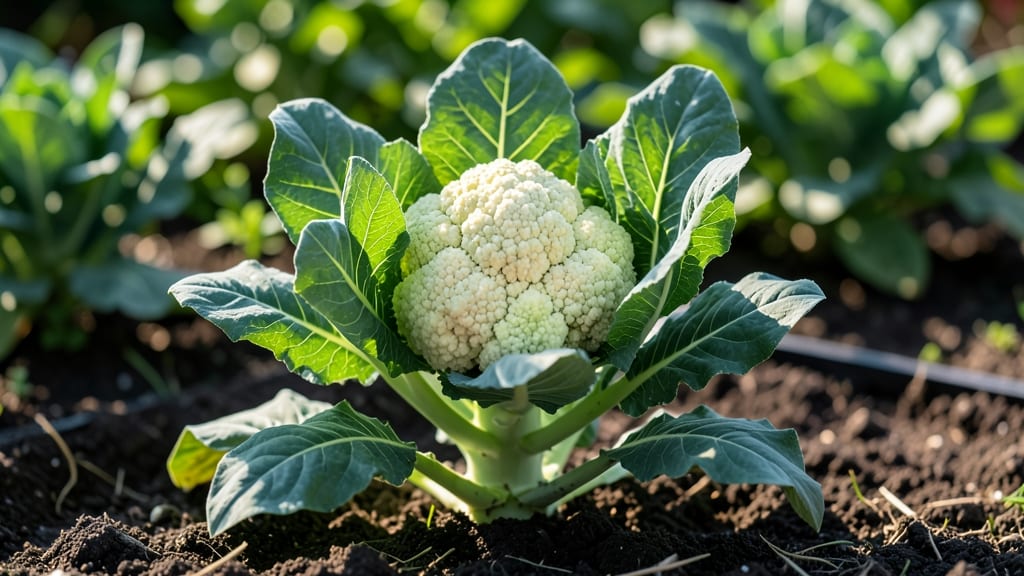
If you’ve ever wondered how tall cauliflower grows before planning your garden, you’re not alone—this tiny detail can make or break your harvest. 🥬 Some varieties barely reach knee-high, while others stretch taller than a standard doorframe, and planting them too close (or too far apart) can ruin your yield.
Here’s the catch: the height of your cauliflower plants depends entirely on the variety you choose. Compact types like ‘Snowball Y’ stay cozy at 12–18 inches, while giants like ‘Romanesco’ or ‘Mammoth Purple’ can shoot up to 3 feet or more.
That means spacing, sunlight, and even your garden layout need to adapt—or you’ll end up with stunted heads or wasted space.
But knowing the right height isn’t just about aesthetics—it’s about maximizing your harvest. Tall varieties need more room to avoid disease and compete for nutrients, while dwarf types thrive in containers or tight beds.
I’ll break down exactly how to space them, which varieties suit your garden size, and how to support the towering ones without sacrificing those perfect, snow-white curds.
Ready to grow cauliflower like a pro? Let’s dive into the heights, spacing hacks, and variety secrets that’ll turn your garden into a head-producing machine—no guesswork required.


Cauliflower height by variety: from dwarf to giant types
When planning your garden, understanding cauliflower height variations is key to maximizing space and yield. Some varieties stay compact enough for containers, while others reach towering heights that need careful placement.
The mature height of your cauliflower determines not just your garden layout but also how you'll harvest and support the plants. For example, a dwarf variety like 'Snowball Y' stays under 12 inches, while 'Mammoth Purple' can soar past 3 feet!
Let's break down the height ranges and what they mean for your growing strategy.
The height differences between cauliflower varieties aren't just about aesthetics—they directly impact harvest timing and garden spacing. Taller varieties often take longer to mature because their energy goes into stem development before head formation. Meanwhile, dwarf types focus energy on producing compact heads faster.
Understanding these growth habits helps you choose varieties that fit your season and space. For instance, if you have limited vertical space, you might opt for a self-blanching variety like 'Purple of Sicily' that stays under 24 inches while still producing large heads.
Here's a quick reference for cauliflower height ranges by variety type, including how these dimensions affect your garden planning:
| Variety Type | Mature Height | Head Size | Growth Habit | Best For |
|---|---|---|---|---|
| Dwarf Varieties | 8-12 inches | 4-6 inches | Curded | Containers, small gardens |
| Snowball Y | 10-12 inches | 6-8 inches | Curded | Early harvest, cool climates |
| Semi-Dwarf Varieties | 12-18 inches | 6-8 inches | Curded or self-blanching | Raised beds, small plots |
| Romanesco | 18-24 inches | 6-8 inches | Self-blanching | Garden borders, ornamental value |
| Standard Varieties | 18-24 inches | 8-10 inches | Curded | Main garden plots |
| Purple of Sicily | 24-30 inches | 10-12 inches | Self-blanching | Late-season harvests |
| Giant Varieties | 30-36+ inches | 12+ inches | Curded | Large gardens, family-sized yields |
| Mammoth Purple | 36-48 inches | 14+ inches | Curded | Trellis support needed |
| Variety Type | Mature Height | In-Row Spacing | Row Spacing | Best For |
|---|---|---|---|---|
| Dwarf (e.g., Snowball Y) | 12–18 inches | 18 inches | 18 inches | Containers, small beds |
| Semi-Dwarf (e.g., Purple of Sicily) | 18–24 inches | 24 inches | 24 inches | Raised beds, in-ground |
| Standard (e.g., Romanesco) | 24–30 inches | 30 inches | 30 inches | Spacious gardens |
| Giant (e.g., Mammoth Purple) | 36+ inches | 36 inches | 36 inches | Large plots, trellised |
Soil type also plays a role. In sandy soil, roots spread wider, so I increase in-row spacing by 2–4 inches to prevent competition. In clay-heavy soil, compact roots mean tighter spacing (reduce by 2–4 inches) to avoid waterlogging.
For container growing, prioritize depth over width—tall varieties need at least 12-inch-deep pots to support their stems.
Pro tip: Thin seedlings early to avoid transplant shock. If you’re unsure about spacing, err on the side of more room. My Romanesco plants once produced 30% larger heads after I widened their spacing from 24 to 30 inches.
The trade-off? A few empty spots in the bed—but bigger, healthier curds are worth it.
For raised beds, use a grid layout to maximize space. Place tall varieties along the north side to avoid shading shorter plants. In containers, group dwarf types together and use self-watering pots to maintain consistent moisture—critical for preventing cracked curds.