
How To
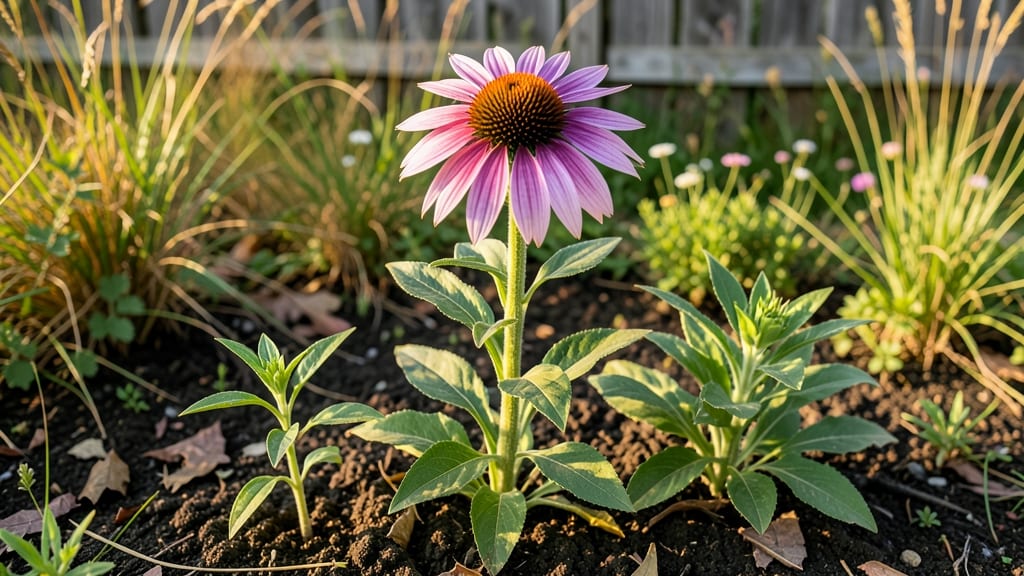
If you're planning your garden layout, knowing how tall does coneflower grow could make all the difference between a crowded mess and a perfectly balanced pollinator paradise.
These drought-resistant superstars—with their iconic 🌼 blooms—come in sizes that range from compact 1-foot wonders to towering 5-foot giants, depending on the variety and growing conditions.
For gardeners in USDA Zone 6a, where spring planting runs from April to May, choosing the right coneflower height means selecting plants that fit your space without stealing the show from other perennials.
Whether you're working with a small container garden or a sprawling landscape, understanding these height variations helps you space plants for maximum impact—and minimal competition for sunlight.
In this guide, I’ll break down the exact mature heights of popular varieties, from the petite dwarf coneflowers that stay under 2 feet to the standard varieties that reach 3-5 feet by their third year.
You’ll also discover how sunlight, soil, and pruning habits can influence growth, so you can fine-tune your garden’s design for both beauty and function.
Ready to turn your garden into a thriving ecosystem? Let’s dive into the specifics so you can pick the perfect coneflower for every spot—whether it’s a sunny border, a pollinator-friendly meadow, or a cozy container on your patio.


Coneflower height by variety: exact growth measurements compared
Coneflowers (Echinacea spp.) are prized for their durability and pollinator appeal, but their height varies wildly depending on the variety. Some stay compact enough for containers, while others reach towering heights perfect for the back of borders.
Knowing exact measurements helps you plan spacing and companion plants for a cohesive look.
Most coneflowers fall into three height categories: dwarf (1-2 ft), medium (2-3 ft), and tall (3-5 ft). The classic purple coneflower (Echinacea purpurea) typically hits 3-5 feet, but newer hybrids and species like Echinacea paradoxa can be much shorter.
Let’s break down the exact ranges for popular varieties.
🌱 Pro Tip: Always check the plant tag—some nurseries label varieties differently than catalogs. For example, "Green Jewel" might be listed as 2-3 ft in one source but 3-4 ft in another due to growing conditions.
If you’re designing a pollinator-friendly garden, tall varieties like 'Magnus' or 'Hot Papaya' create vertical interest, while dwarf types like 'Green Envy' or 'Kim’s Knee High' work beautifully in containers or front borders. The spread width is just as critical—planting 3-4 feet apart for tall varieties prevents overcrowding.
Soil and sunlight also influence height. Coneflowers grown in poor soil or partial shade may stay 1-2
How to control coneflower height: pruning and spacing tips
Once you’ve picked your coneflower varieties, controlling their height becomes all about pruning timing and proper plant spacing. Left unchecked, even dwarf varieties can flop or spread too aggressively, while tall coneflowers may need strategic thinning to prevent them from toppling in storms.
The key is balancing airflow, sunlight exposure, and structural support—especially in USDA Zone 6a, where summer humidity can weigh down stems.
For standard coneflowers (3-5 feet tall), I recommend spacing plants 18-24 inches apart to give them room to mature without crowding. This spacing also prevents powdery mildew, a common issue when plants compete for air circulation.
In contrast, dwarf varieties (under 2 feet) thrive in clusters 12-16 inches apart, making them perfect for container gardens or front-of-border plantings.
🌱Pro Tip: If you’re planting coneflowers near a fence or trellis, opt for semi-dwarf varieties (2-3 feet) to create a natural vertical accent without sacrificing sunlight for shorter plants below.
🌿 How Tall Does Coneflower Grow?
Dwarf varieties: 1-2 feet (ideal for containers, borders)
Semi-dwarf varieties: 2-3 feet (perfect for mid-height beds)
Standard varieties: 3-5 feet (best for back-of-border drama)
Height tip: First-year growth is half the mature size—use this to your advantage by pruning back leggy stems in early summer to encourage bushier growth.
Deadheading—removing spent 🌼 blooms—is another game-changer for controlling height and encouraging continuous flowering. For tall varieties, I deadhead by cutting back stems to 6-8 inches above the base after the first flush of blooms.
This prevents the plant from putting energy into seed production and instead redirects it to new growth and side shoots, which can add 1-2 feet of extra height if pruned correctly.
Timing matters: Prune in late spring (after the first frost risk has passed) to shape the plant early in the season. Avoid heavy pruning in mid-to-late summer, as this can stunt fall blooms—coneflowers often produce a second round of flowers if given enough time to recover.
For dwarf varieties, a light trim after flowering keeps them compact and tidy without sacrificing their pollinator appeal.
If your coneflowers are already too tall or leggy, don’t panic. A renewal pruning in early spring—cutting back 1/3 of the plant’s height—can rejuvenate even the most overgrown specimens. Just be sure to water deeply afterward to help the plant recover.
With the right pruning schedule and spacing plan, you’ll have coneflowers that stay neat, healthy, and perfectly sized for your garden’s vision.
✂️ For a pollinator-friendly touch, leave some seed heads on a few stems—this provides food for birds and finches in winter while keeping your garden looking natural and intentional.