
How To
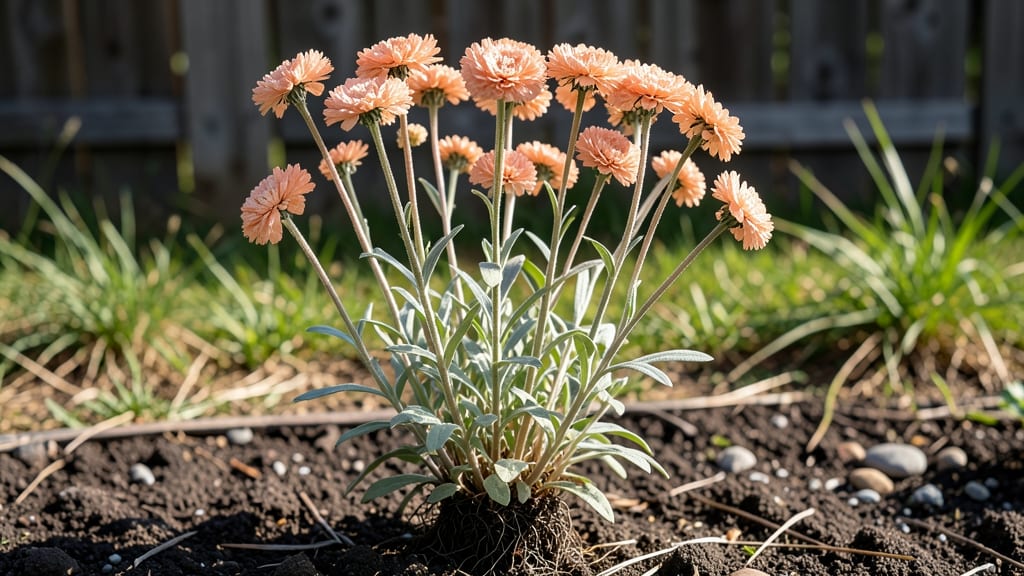
If you're wondering how tall strawflowers grow, the answer might surprise you—these drought-loving beauties can range from 12 to 36 inches, depending on the variety and growing conditions.
Whether you're planning a border or a container garden, knowing the exact height range of strawflowers will help you design a space that looks intentional, not cramped.
The 🌼 strawflower is a versatile plant, prized for its long-lasting blooms and ability to thrive in tough conditions. Some compact varieties, like 'Dwarf White,' stay under 2 feet, making them perfect for small gardens or window boxes.
On the other hand, taller types like 'Mojave' can reach nearly 3 feet, adding drama to mixed borders or cut-flower arrangements.
What influences their height? Sunlight, soil quality, and even pruning play a role. Strawflowers planted in full sun with well-draining soil tend to grow taller, while those in containers or cooler climates may stay shorter.
If you're aiming for a neat, compact look, a little strategic pruning can keep them in check without sacrificing those vibrant blooms.
Ready to incorporate strawflowers into your garden? Whether you're after a low-maintenance border or a striking cut-flower display, understanding their growth habits is the first step. Let’s dive into how to choose the right variety and care for them to get the perfect height for your space.


Strawflower height by variety: dwarf to tall options explained
Strawflowers (Helichrysum bracteatum) offer incredible versatility in garden design, thanks to their dramatic height variations across varieties. Whether you need compact borders or tall cut flowers, selecting the right type ensures your vision comes to life.
The smallest varieties like 'Dwarf White' stay under 12 inches, while tallest types like 'Limelight' can reach 36 inches—making proper spacing essential for airflow and bloom display.
Understanding these height differences helps prevent overcrowding in containers or garden beds. For example, dwarf varieties thrive in window boxes, while tall selections excel as focal points. Let's explore the full spectrum of strawflower heights and their ideal growing conditions to help you make the best choice for your space.
🌼 Visual Guide: Below is a comparison of popular strawflower varieties, showing their mature heights, spacing needs, and best uses in the garden. This will help you visualize how each type fits into your landscape design.
The 'Dwarf White' variety is perfect for small spaces, reaching just 12-18 inches tall. This makes it ideal for window boxes or container gardens where space is limited.
When planting, maintain 8-12 inches between plants to ensure proper air circulation and prevent disease. Their delicate white blooms add a soft contrast to vibrant garden schemes.
For a medium-height option, the 'Mojave' variety stands at 18-24 inches, striking a balance between compact and tall. This height works well for cut flower arrangements or as a mid-height border plant.
Space these plants 12-18 inches apart to allow their stems to thicken and support their own weight without flopping.
If you're aiming for bold statements in your garden, the 'Rainbow' variety grows 24-30 inches tall. This variety is perfect for the back of borders or as a centerpiece in mixed containers.
The 18-24 inch spacing ensures each plant has room to develop its full height and vibrant, multicolored blooms.
The 'Limelight' variety is the tallest, reaching 30-36 inches, making it ideal for focal points or large-scale arrangements. Plant these 24-30 inches apart to create a dramatic backdrop or standalone feature. Their height also makes them excellent for dried flower arrangements once the blooms fade.
When planning your strawflower garden, consider the mature height alongside your garden layout. For example, pairing dwarf varieties in front with tall types in back creates a layered effect. In containers, mix heights to add visual interest—place taller varieties in the center with shorter ones around the edges.
Proper spacing is crucial for strawflowers, regardless of variety. Overcrowding can lead to poor air circulation, increasing the risk of fungal diseases. Always follow the spacing guidelines to ensure each plant has enough room to thrive and produce abundant blooms throughout the season.
For container gardening, choose varieties based on your pot size. A 5-gallon container can comfortably hold 1-2 dwarf plants, while a 15-gallon container can accommodate 1-2 medium-height varieties. Always include well-draining soil and a supportive trellis for taller types to maintain their structure.
🌿 Whether you're creating a whimsical cottage garden or a modern minimalist arrangement, strawflowers offer the perfect height options to match your vision. With their drought tolerance and long vase life, these varieties will bring beauty and ease to your gardening experience.
How to control strawflower height naturally for compact growth
Want to keep your strawflowers on the shorter side? You’re not alone—many gardeners prefer their compact varieties for borders or containers. The good news is that with a few simple techniques, you can encourage 12-24 inch growth instead of letting them stretch toward 3 feet.
The key lies in understanding how soil, sunlight, and pruning interact to shape their height.
Strawflowers naturally grow taller when planted in loose, nutrient-poor soil because they stretch toward sunlight. However, in richer, well-amended soil, they develop a bushier, more compact form. This is why container gardening often yields shorter plants—the confined space and balanced nutrients keep them in check.
Let’s explore how to harness these natural tendencies for your desired height.
🌱 Natural Height Control Tips
- 🪴 Use containers – Pots limit root spread, encouraging shorter, bushier growth. Choose containers with 12-18 inch depths for compact varieties.
- ✂️ Prune regularly – Pinch back tips of new growth when plants reach 6-8 inches to promote branching and prevent elongation.
- 🌿 Amend soil with compost – Mix in well-rotted compost or aged manure to create nutrient-rich soil that supports stockier growth.
- ☀️ Adjust sunlight exposure – While strawflowers love full sun, partial shade (4-6 hours) can slow height growth, ideal for tropical climates.
- 💧 Water deeply but less often – Overwatering leads to taller, leggy growth. Water at the base and allow soil to dry between waterings.
One of the most effective ways to control height is through pruning. When you remove the top set of leaves on young plants, you trigger lateral branching, which results in a fuller, shorter plant.
I like to prune mine in early summer to encourage a second flush of blooms while keeping them compact. Just be sure to use clean, sharp shears to avoid damaging the stems.
For container gardening, choose a mix that’s 50% potting soil and 50% perlite or vermiculite to improve drainage. This prevents root-bound conditions, which can cause plants to grow taller as they search for nutrients. Adding a slow-release fertilizer at planting time also supports steady, controlled growth rather than rapid elongation.
If your strawflowers are already too tall, don’t worry—you can still manage them. Cut back the stems by one-third after the first flush of blooms to encourage a second, shorter growth cycle.
This works especially well for varieties like 'Rainbow' or 'Limelight,' which can get leggy in loose soil. With these techniques, you’ll have neat, manageable plants that fit perfectly into your garden design.
Remember, the goal isn’t to stunt growth but to guide it. By combining the right soil, pruning, and container choices, you’ll enjoy compact, vibrant strawflowers that thrive without sacrificing their stunning blooms. Happy gardening!