
Size
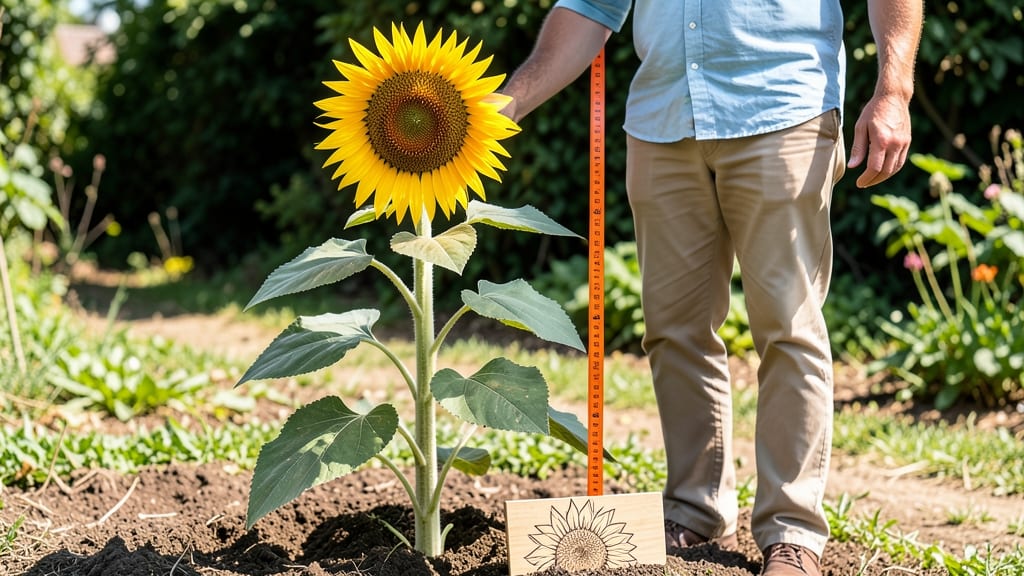
Ever wondered how tall those towering 🌻 sunflowers can grow in your neighbor’s garden? The answer might surprise you—some varieties stretch taller than a two-story house, reaching heights of 16 feet or more!
If you’re dreaming of sunflowers that dwarf your fence or even your garage door, you’re in the right place. The key lies in choosing the right variety—whether it’s the massive 'Mammoth' or the sturdy 'Russian Giant'—and giving them the ideal growing conditions.
With the right soil, sunlight, and a little extra care, you can turn your backyard into a sunflower skyline.
But here’s the thing: not all sunflowers are built for sky-high adventures. Some stay short and compact, perfect for containers or small gardens. I’ll break down the differences so you can pick the perfect sunflower for your space—and learn how to support those giants so they don’t topple over.
Ready to grow sunflowers that turn heads? Let’s dive into the secrets of sunflower growth—from dwarf varieties to record-breaking giants—and how to make them thrive in your garden.


Sunflower height records: giant varieties that surpass 16 feet
When I first saw a sunflower towering over my backyard fence, I couldn’t believe it reached 12 feet tall. But some varieties shatter that record entirely—growing 16 feet or more with the right conditions.
These giants aren’t just impressive; they’re a testament to nature’s growth potential when given the perfect mix of sunlight, nutrients, and space. If you’re dreaming of sunflowers that dwarf your house, you’ll want to focus on these record-breaking varieties.
Growing sunflowers to their maximum height requires more than just planting seeds. It’s about selecting the right variety, preparing rich soil, and providing consistent care. The tallest sunflowers need deep roots, strong stems, and plenty of sunlight to support their massive blooms.
Without these, even the most giant varieties will struggle to reach their full potential. Let’s explore the varieties that break the 16-foot barrier and how you can encourage them to grow even taller.
Comparison Table: Tallest Sunflower Varieties
Variety
Record Height
Mature Height Range
Key Features
Best For
Russian Giant
20+ ft
12–16 ft
Thick stems, large seeds, slow to bolt
Exhibition gardens, seed production
Mammoth
18 ft
10–14 ft
Dark seeds, sturdy stems, early blooming
Backyard displays, cut flowers
American Giant
16 ft
12–15 ft
Disease-resistant, high seed yield
Farmers, large-scale growing
Colossus
14 ft
10–13 ft
Bright yellow petals, compact heads
Container growing, small spaces
Giant Russian
17 ft
11–15 ft
Cold-hardy, early maturity
Northern climates, short seasons
The Russian Giant holds the unofficial world record for the tallest sunflower, reaching an astonishing 20+ feet in ideal conditions. This variety is a favorite among competitive growers because it combines height with seed productivity.
However, achieving such heights requires more than just planting the seeds—it demands deep, fertile soil, consistent watering, and protection from strong winds. If you’re aiming for record-breaking sunflowers, this variety is your best bet.
For those with slightly less space or shorter growing seasons, the Mammoth variety is an excellent alternative. It consistently reaches 14–18 feet and produces dark, striped seeds that are prized for both decoration and bird feeding.
The key to maximizing its height is providing full sun exposure and ensuring the soil is well-drained yet rich in organic matter. I’ve found that adding a layer of compost before planting gives these giants the nutrients they need to thrive.
If you’re growing sunflowers in a container or have limited space, the Colossus variety is a fantastic choice. While it doesn’t reach the same heights as the Russian Giant, it still grows 10–14 feet tall and produces vibrant yellow blooms that brighten up any garden.
To encourage vertical growth, use a large container with at least 18 inches of depth and stake the stems as they grow. This variety is also more disease-resistant, making it ideal for beginners.
One of the most critical factors in growing tall sunflowers is soil preparation. Sunflowers are heavy feeders, so amending your soil with compost or a balanced fertilizer (like 10-10-10) before planting gives them the nutrients they need to grow strong stems.
I recommend testing your soil’s pH—sunflowers prefer a slightly acidic to neutral range (6.0–7.5). If your soil is too alkaline, adding sulfur or peat moss can help adjust the pH naturally.
Another often-overlooked factor is spacing. Tall sunflower varieties need plenty of room to avoid competing for sunlight and nutrients. Plant seeds at least 18–24 inches apart in rows that are 3 feet apart to allow for proper air circulation.
This reduces the risk of fungal diseases and ensures each plant has enough space to grow vertically. In my experience, overcrowding is one of the fastest ways to stunt a sunflower’s growth, so spacing is non-negotiable for giant varieties.
Finally, don’t underestimate the power of consistent watering. While sunflowers are drought-tolerant once established, their rapid growth requires deep, regular watering, especially during dry spells. I water my giant sunflowers deeply 2–3 times per week, ensuring the soil is moist but not waterlogged.
Overwatering can lead to root rot, while underwatering causes stems to weaken and snap under their own weight. A drip irrigation system is ideal for keeping the soil evenly moist without wetting the foliage.
With the right variety, soil, and care, you can grow sunflowers that rival the height of a two-story building. Whether you’re aiming for a world record or just want to add drama to your garden, these giant varieties deliver.
Start with Russian Giant or Mammoth seeds, prepare your soil richly, and give them plenty of space and sunlight. Before you know it, you’ll have sunflowers reaching for the sky—literally!
How to grow sunflowers taller: soil, water, and sunlight secrets
Sunflowers are nature’s skyscrapers, and their height depends on three critical factors: soil quality, watering consistency, and sunlight exposure. While some varieties like the ‘Russian Giant’ can reach 12-15 feet, most sunflowers stay between 6-10 feet without proper care.
The key to unlocking their full potential lies in mimicking their natural habitat—deep, nutrient-rich soil and unobstructed sunlight.
I’ve learned from years of growing sunflowers that nitrogen-rich soil fuels early stem growth, while phosphorus promotes root development and flowering. However, overdoing nitrogen can lead to lush foliage at the expense of height.
Balancing these nutrients is an art, and I’ll share my exact approach below to help you grow sunflowers that reach for the sky.
🌱 Sunflower Growth Secrets
- 🌿 Soil: Amend with compost and bone meal (for phosphorus) before planting. Test soil pH—sunflowers thrive in 6.0-7.5 range.
- ☀️ Sunlight: Plant in full sun (6+ hours daily). South-facing plots maximize height. Avoid shade from trees or structures.
- 💧 Watering: Water deeply 2-3x/week (1 inch total). Keep soil moist but not soggy—wilting stunts growth.
- 🌾 Spacing: Plant 18-24 inches apart to prevent competition. Overcrowding diverts energy to leaves, not stems.
- ✂️ Support: Use stakes or cages for varieties over 10 feet. Tie stems loosely at 1/3 height to avoid damage.
One common mistake I see is overwatering young sunflowers, which can rot roots and weaken stems. Instead, focus on deep watering at the base—this encourages roots to grow downward, anchoring the plant for taller growth.
I’ve found that morning watering (before 10 AM) reduces evaporation and fungal risks, giving sunflowers a strong start each day.
Sunlight is non-negotiable—sunflowers are heliotropic, meaning they follow the sun’s path. If your garden lacks full sun, consider reflective surfaces (like white mulch) to redirect light. I’ve grown 12-foot sunflowers in partial shade by pairing them with reflective materials, though the results aren’t as dramatic as full-sun conditions.
For taller varieties, I recommend ‘Mammoth’ or ‘Russian Giant’, which can top 14 feet with ideal care. Start seeds indoors 4-6 weeks before the last frost, then transplant seedlings 2 feet apart in fertile soil.
The deeper the roots, the taller the stem—think of sunflowers as nature’s skyscrapers built on a foundation of strong roots.
Finally, avoid late-season fertilizing, as it encourages new growth that won’t harden before frost. Harvest seeds when the back of the flower turns brown and papery, then let them dry in a well-ventilated area.
With these secrets, your sunflowers will reach heights that’ll make your neighbors green with envy—literally! 🌻