
Size
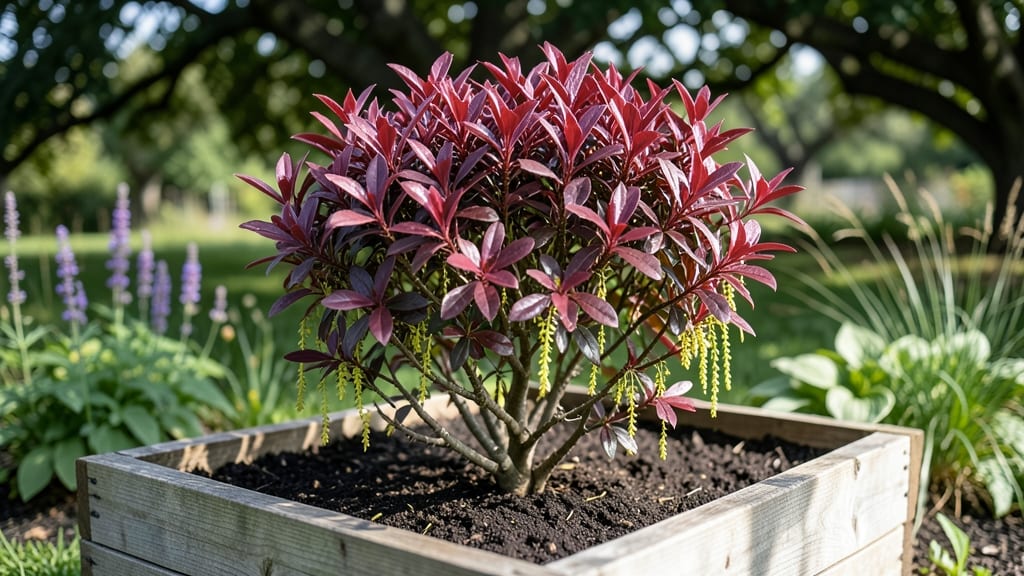
Determining how tall a raised bed should be depends on your plants: most vegetables and herbs thrive in beds 6 to 12 inches tall, balancing root space with easy maintenance. For deeper-rooted crops like carrots or potatoes, extend the height to 12-18 inches, while shallow-rooted greens like lettuce do well in 4-6 inch beds.
The right height ensures plants get the space they need to grow strong roots without overcrowding. 6-12 inches is ideal for most gardeners because it keeps soil warm, drains well, and prevents back strain when reaching in. 🌱 Deeper beds help root crops like beets or parsnips spread, while shallower beds conserve soil and work better for quick harvests like spinach.
I've found that adding 2-3 inches of compost to any bed height boosts fertility and moisture retention.
Your choice also affects soil retention—taller beds hold more water and nutrients, which is great for dry climates, while shorter beds dry out faster. If you're growing heavy feeders like tomatoes, aim for the higher end of the range.
For beginners, starting with 8-10 inches gives flexibility to experiment with different crops.
💡 In This Article
- Optimal Raised Bed Height for Root Depth and Plant Growth
- Choosing Raised Bed Height Based on Plant Type and Gardening Goals
Optimal raised bed height for root depth and plant growth
The height of your raised bed directly influences how well plants can develop their root systems. Most vegetables and herbs need at least 6-12 inches of soil depth to establish strong roots, but the science goes deeper than just measurements.
Soil depth affects oxygen availability—roots need aeration to breathe, and deeper beds provide better air circulation at lower levels where roots spread. 🌱 For example, tomatoes, which develop roots up to 18 inches deep, will thrive in taller beds, while lettuce, with roots only 6 inches long, does fine in shallower setups.
Root crops like carrots or parsnips demand special attention because their edible parts grow downward. A 12-18 inch bed gives them the space to develop fully without becoming stunted or deformed. Shallow beds force these crops to grow sideways, resulting in forked or misshapen roots.
The texture of the soil also matters—loose, well-draining soil in deeper beds prevents compaction, which can suffocate roots and limit nutrient uptake. I've noticed that in 12-inch beds, carrots grow straighter and achieve their full potential size compared to the same variety in 6-inch beds.
Soil temperature plays a role too—deeper beds maintain more consistent temperatures because they're insulated by the surrounding earth. This is why 8-12 inch beds work well for cool-season crops like kale or peas, which prefer stable soil temps around 55-65°F.
Shallower beds can experience more temperature fluctuations, which might stress heat-sensitive plants. The moisture retention difference is another factor: taller beds hold 20-30% more water than shallow ones, reducing the need for frequent watering during dry spells.
There's a practical limit to how deep you should go, though. Beds taller than 18 inches become harder to maintain because the center soil can stay too wet or compacted from foot traffic. The ideal balance is 12-14 inches for most gardeners—deep enough for root crops but still manageable.
If you're growing both deep and shallow-rooted plants together, consider creating separate sections within the same bed to optimize conditions for each type. This zoning approach maximizes space while catering to different growth requirements.
For herbs like basil or cilantro, which have shallow root systems (6 inches deep), a 6-inch bed works perfectly. These plants benefit from frequent harvesting, and shallower beds make it easier to access without disturbing the roots.
The trade-off is less soil volume, so you'll need to replenish nutrients more often. I've found that adding a 2-inch layer of compost every season keeps these plants thriving in shallower beds while extending their productive lifespan.
One often-overlooked benefit of proper bed height is reduced weed competition. Taller beds create a physical barrier that blocks light from reaching weed seeds in the soil below, while shallower beds may require more frequent weeding.
The right height also makes gardening more ergonomic—reaching into a 12-inch bed is comfortable for most adults, whereas 6-inch beds might require bending too much, leading to back strain over time. 💫
Ultimately, the best bed height depends on your specific crops and gardening style. Start with 8-10 inches for versatility, then adjust based on what you're growing. For root crops, deeper is always better, while shallow beds work well for quick-turnaround greens.
The key is observing how your plants respond and making small adjustments as you go.