
Size
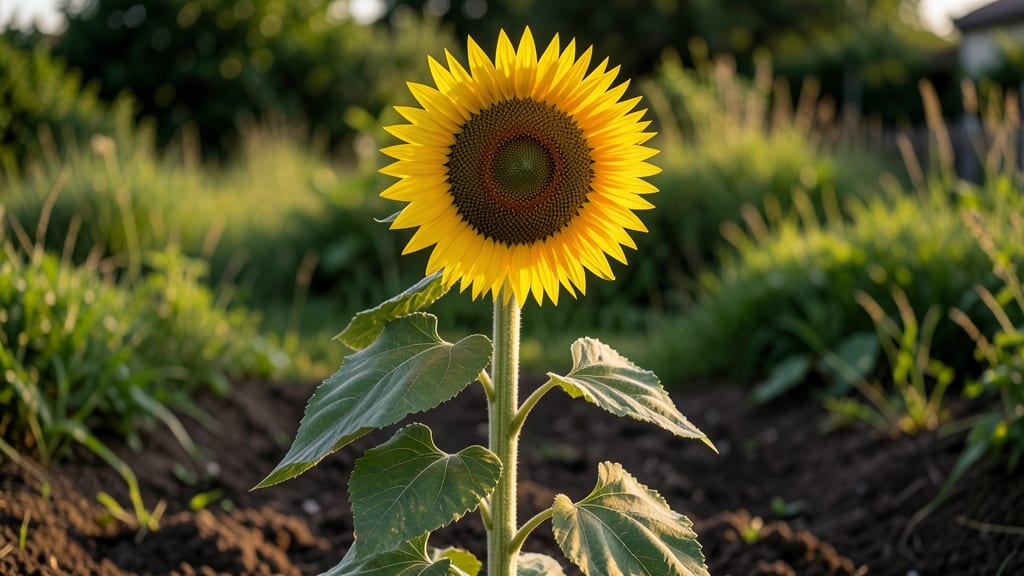
If you’ve ever planted a Mammoth Sunflower 🌻 and wondered just how tall these towering beauties can grow, the answer might surprise you. These sunflowers aren’t just tall—they’re skyscraper giants that can reach heights of 10 to 14 feet or more, depending on the variety and growing conditions.
That’s right—some varieties stretch taller than a basketball hoop or even a two-story building! But their impressive height isn’t just for show.
Proper spacing, soil health, and sunlight exposure play a huge role in determining how tall your Mammoth Sunflower will grow, and understanding these factors can mean the difference between a sturdy, sun-drenched giant and a leggy, floppy disappointment.
Whether you’re planning your garden layout or just curious about these sunflower superstars, knowing the exact height expectations—and how to encourage that growth—will help you create a backyard that feels like a sunflower forest. Let’s dive into the details so you can grow the tallest, most stunning Mammoth Sunflowers possible.
From choosing the right variety to providing the perfect growing conditions, we’ll cover everything you need to know to turn your garden into a sunflower sanctuary. Ready to grow something truly impressive? Let’s get started!


Mammoth sunflower heights by variety: exact growth expectations
If you’re planning a sunflower garden that makes a bold statement, knowing the exact heights of mammoth sunflower varieties is your first step. These towering beauties aren’t just pretty—they’re architectural wonders that can transform any space.
But not all mammoth varieties reach the same sky-scraping heights, and their growth habits vary significantly. Whether you’re dreaming of sunflowers taller than your garage door or just want to avoid overcrowding, understanding these details will help you plant with confidence.
Mammoth sunflowers are famous for their staggering heights, often surpassing 10 feet and sometimes even reaching 16 feet or more. However, the final height depends on the variety, growing conditions, and care.
For example, the 'Russian Giant' variety is renowned for its record-breaking stature, while 'Autumn Beauty' offers a slightly shorter but equally stunning display. Let’s break down the exact heights you can expect from the most popular mammoth varieties, along with their growth quirks and maturity timelines.
Comparison Table: Mammoth Sunflower Heights by Variety
As you can see, the 'Russian Giant' and 'Giant Russian' varieties are the undisputed champions of height, often surpassing 16 feet and even breaking the 20-foot mark in ideal conditions.
These varieties are perfect if you’re aiming for a sunflower that outshines everything else in your garden—or even your neighbor’s fence! However, their towering stature means they’ll need extra space and support to avoid toppling over in windy conditions.
The 'Mammoth' variety is a close second, offering a reliable 10–14 feet of growth with a sturdy stem that requires minimal staking. If you’re working with limited space but still want a dramatic display, 'Autumn Beauty' is a fantastic choice.
While it tops out at around 12 feet, its multi-colored blooms add a vibrant twist to any garden. Plus, it matures slightly faster, giving you flowers earlier in the season.
When planning your garden layout, remember that mammoth sunflowers need plenty of space to avoid competition for nutrients and sunlight.
A general rule of thumb is to space them 2–3 feet apart, but if you’re growing varieties like 'Russian Giant', consider giving them even more room—up to 4 feet—to ensure they have room to stretch their legs without leaning or falling over.
This is especially important in windy areas or if you’re planting them near structures like fences or sheds.
Another key factor in achieving maximum height is the maturity timeline. Most mammoth varieties take between 80–110 days to reach their full height and bloom. This means if you’re in a shorter growing season, you’ll want to start seeds indoors or choose a faster-maturing variety like 'Autumn Beauty'.
Pay close attention to your last frost date and plant accordingly to give your sunflowers enough time to grow tall and proud before the first frost.
Proper care can also influence how tall your mammoth sunflowers grow. Providing well-draining soil, consistent watering, and full sun exposure (at least 6–8 hours daily) will encourage robust growth.
Additionally, using a balanced fertilizer with equal parts nitrogen, phosphorus, and potassium can help your sunflowers reach their full potential. Just avoid over-fertilizing, as this can lead to weak stems that struggle to support their own weight.
If you’re feeling ambitious, you can even experiment with trellising or staking to support extra-tall varieties like <
How to maximize mammoth sunflower height: proven growth tips
Growing a Mammoth Sunflower 🌻 that stretches toward the sky isn’t just about luck—it’s about creating the perfect conditions for these giants to thrive. With the right soil prep, watering routine, and sunlight exposure, you can coax your sunflowers to reach their maximum potential height, often exceeding 12 feet.
The key lies in mimicking their natural habitat while addressing their unique needs, like deep root systems and sturdy stems.
One of the biggest misconceptions is that mammoth sunflowers will grow tall on their own. In reality, they need intentional care to avoid flopping or stunted growth. From choosing the right planting location to providing structural support, every step matters.
Let’s explore the proven strategies that will help your sunflowers grow taller than ever before.
- 1 Soil Depth & Nutrients: Amend soil with compost and phosphorus-rich fertilizer (like bone meal) to encourage deep root growth. Aim for at least 18 inches of loose soil—this supports their taproot system, which can extend up to 6 feet deep!
- 2 Sunlight Optimization: Place plants in full sun (6+ hours daily), but avoid midday shade from nearby structures. South-facing beds get the most consistent light, which is critical for stem strength and height.
- 3 Watering Technique: Water deeply 2-3 times per week (1-2 inches per session) rather than shallow daily watering. This encourages roots to grow deeper, stabilizing the plant and promoting taller, sturdier stems.
- 4 Structural Support: Install bamboo stakes or trellises early (when stems reach 2-3 feet). Tie stems loosely with soft plant ties to prevent damage. This prevents wind damage and ensures vertical growth.
- 5 Spacing Matters: Plant seeds 18-24 inches apart in rows spaced 3 feet apart. Crowding leads to competition for nutrients, which stunts height. Give them room to reach their full potential without leaning.
Another critical factor is fertilization timing. While mammoth sunflowers are heavy feeders, overdoing it can lead to weak stems. Start with a balanced 10-10-10 fertilizer at planting, then switch to a low-nitrogen, high-phosphorus blend (like 5-10-10) once stems are 1 foot tall.
This shift encourages flowering and height growth rather than leafy foliage.
Don’t forget about wind protection, especially in exposed areas. A simple windbreak made of twine or mesh can prevent stems from bending permanently. Even a light breeze can cause sunflowers to lean, which not only looks unsightly but also reduces sunlight exposure, slowing growth.
If you’re growing in a container, choose a large pot (at least 18 inches deep) and place it in a sheltered spot.
With these strategies, your mammoth sunflowers will not only reach their maximum height but also stand tall and proud all season long. The payoff? A backyard that feels like a sunflower cathedral, complete with golden blooms that seem to touch the sky. Happy growing! 🌻