
Flowers
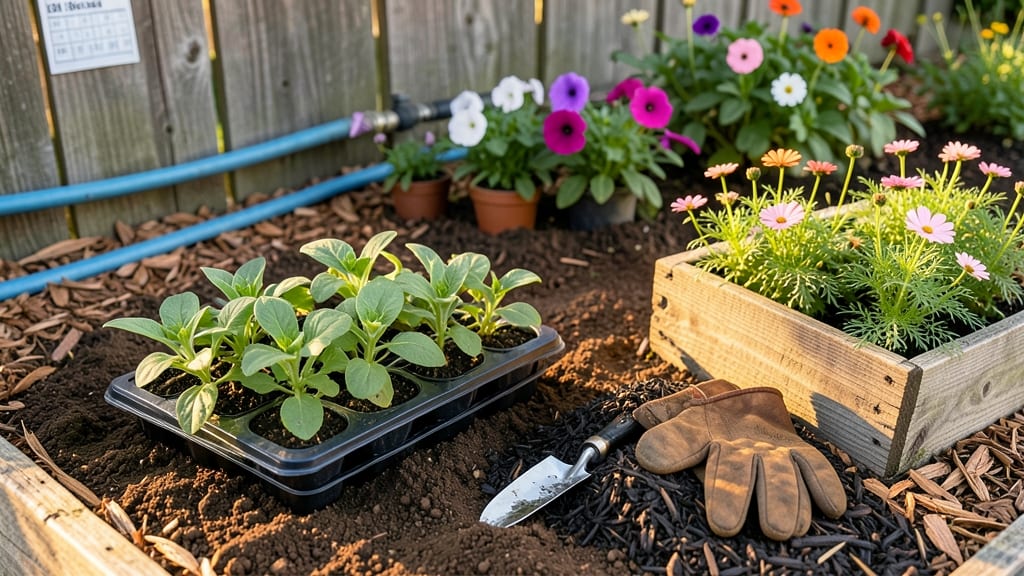
Knowing when it is safe to plant flowers in Missouri can mean the difference between a show-stopping garden and a sad, frost-nipped disappointment.
With last frost dates shifting from late April in the north to early April in the south, guessing wrong could leave your 🌸 seedlings shivering—or worse, rotting in cold soil.
You’ve probably heard the classic advice: “Wait until after the last frost.” But in Missouri’s 5b-6b zones, that’s easier said than done. False springs, late snow, and microclimates (like urban heat islands or sheltered valleys) throw a wrench into even the best-laid plans.
The real secret? Checking soil temperature and knowing your specific region’s frost history.
Here’s what I’ve learned from years of Missouri gardening: the best planting window for most annuals and perennials is late March to mid-May, but perennials can often handle an early start if protected.
For tender flowers like marigolds or impatiens, wait until the soil hits 50°F—no matter what the calendar says.
Ready to stop second-guessing and start planting with confidence? I’ll walk you through Missouri’s frost-free dates by region, the top varieties that thrive here, and pro tips to stretch your season—without risking frost damage. Let’s get those flowers in the ground the right way.
Missouri frost-free dates by region: when to plant flowers safely
Missouri’s last frost dates vary dramatically across its five distinct climate zones, making precise timing critical for your flower garden. Planting too early risks frost damage, while waiting too long may shorten your blooming season.
Understanding these regional differences helps you choose the perfect window for annuals, perennials, and tender plants.
Missouri spans USDA hardiness zones 5b-7a, with the northern regions experiencing colder springs and the southern areas enjoying earlier frost-free periods. Even within cities like St. Louis or Kansas City, microclimates near lakes or urban heat islands can shift frost dates by 1-2 weeks.
Always verify local trends using your Missouri climate data.
Comparison Table: Missouri Frost-Free Dates by Region
For annual flowers like marigolds or petunias, wait until after the last frost date to plant directly in the ground. These tender plants can’t handle even light frosts. However, you can start seeds indoors 6-8 weeks before your region’s frost-free date to give them a head start.
Perennials like coneflowers or black-eyed Susans are more forgiving. They can often handle light frosts once established, so you might plant them 2-3 weeks before your official frost-free date.
Always check the specific plant hardiness of your varieties—some perennials thrive in USDA Zone 5b, while others need Zone 6a or higher.
Missouri’s fall planting window runs from late August to early October, giving you another chance to add color before winter. For cool-season flowers like pansies or snapdragons, aim to plant 6-8 weeks before your first frost date (typically mid-October).
This timing ensures they establish roots before cold weather sets in.
Don’t rely solely on calendar dates—watch for soil temperature and local weather forecasts. Soil should reach at least 50°F for most flowers to thrive. Use a soil thermometer to confirm readiness, especially in northern Missouri where cooler soils can delay planting by weeks.
Microclimates play a huge role in Missouri’s gardening success. South-facing slopes warm up faster, while valleys and low-lying areas hold cold air longer. If you’re near large bodies of water
Best flower varieties for Missouri gardens: cold-hardy vs. heat-loving options
Missouri’s diverse climate means some flowers thrive in early spring’s chill while others demand summer’s heat. For cold-hardy varieties, I recommend planting perennials like black-eyed Susans and Missouri native coneflowers as early as late March—these tough beauties bounce back from frost.
On the flip side, heat-loving annuals like marigolds and zinnias should wait until after the last frost (typically mid-May in most regions).
To simplify your choices, I’ve organized these top-performing flowers by planting season and frost tolerance, with color-coded visual cues for quick reference. Whether you’re a beginner or a seasoned gardener, this list ensures your garden stays vibrant from spring through fall—without the guesswork.
For spring planting, prioritize Missouri-native perennials like wild bergamot and butterfly weed. These beauties establish roots early and reward you with long-lasting blooms that attract pollinators. I’ve planted coneflowers in my garden as early as late March, and they’ve never failed to thrive—even after a surprise frost.
When summer arrives, switch to heat-tolerant annuals like zinnias and sunflowers. These varieties thrive in Missouri’s humidity and 90°F+ temperatures, making them perfect for late spring or summer plantings. Pro tip: Deadhead spent blooms to encourage continuous flowering—my zinnia patch blooms nonstop from June to frost!
Don’t overlook fall planting for cool-season flowers like pansies and snapdragons. These cold-hardy annuals can handle light frosts and even provide winter color if planted by early October. I’ve seen pansies bloom in my garden well into December with just a little protection from mulch.
To maximize your garden’s impact, mix cold-hardy perennials with heat-loving annuals. This strategy ensures year-round color while minimizing gaps. For example